By Staff Reporter
ISLAMABAD: Pakistan’s annual inflation rate eased to 29.40 percent in June, the lowest level in seven months, as record-high interest rates and lower fuel prices curbed consumer demand and commodity costs, official data showed on Monday.
The consumer inflation was also down from a peak of 37.97 percent in May, 21.3 percent in June 2022, and below a median forecast of 30.8 percent in a poll of analysts.
Inflation increased by 0.3 percent month-on-month in June, bringing the average inflation for the first 11 months of fiscal year 2022-23 to 29.18 percent, compared to 12.15 percent in the same period last year.
The central bank has raised its policy rate by 750 basis points to 22 percent since November last year to rein in inflationary pressures stemming from tax increases, currency devaluation, and import restrictions.
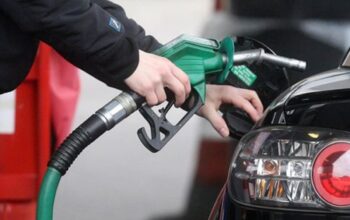
The government also cut domestic fuel prices twice in the past two months, reflecting a decline in global oil prices.
The Pakistan Bureau of Statistics (PBS) data showed that the consumer price index (CPI) in urban areas jumped to 27.3 percent year-on-year in June 2023, compared to an increase of 35.1 percent in the previous month and 19.8 percent in June 2022.
On a monthly basis, it inched up by 0.1 percent in June 2023, compared to an increase of 1.5 percent in the previous month and 6.6 percent in June 2022.
Similarly, prices in rural areas also witnessed an uptick as CPI inflation in these areas rose to 32.4 percent year-on-year in June 2023, compared to an increase of 42.2 percent in the previous month and 23.6 percent in June 2022.
However, on a monthly basis, it decreased by 0.8 percent in June 2023, compared to an increase of 1.7 percent in May 2023 and 6.6 percent in June 2022.
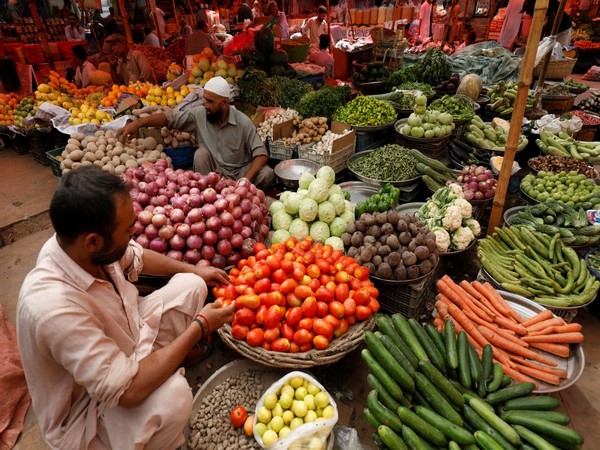
Transport costs rose by 20.30 percent year-on-year in June, while food prices increased by 39.5 percent, the statistics bureau said. Clothing and footwear prices were up by 20.96 percent and housing, water, and electricity costs rose by 11.64 percent.
Analysts said the annual inflation rate slowed down in June but still remained the highest in 23 years. The decline was driven by a fall in food prices, which account for a significant share of the inflation basket. The food group index decreased to 261.78 in June from 264.45 in May.
They also attributed the decline to the stabilization of the U.S. dollar and a fall in commodity prices.
“We projected CPI inflation to be around 29.9 percent, but the decline was unexpected,” said analyst Fahad Rauf of Ismail Iqbal Securities.
Rauf said last year in June, a number of adjustments were made to “appease the IMF including an increase in electricity and gas tariffs, thus there is a high base effect this month”.
“On a month-on-month basis, inflation dropped by 0.3 percent as the U.S. dollar has stabilized and oil prices have declined. Further inflationary pressure is not building up.”
“Inflation is expected to fall further after the IMF programme as the U.S. dollar is expected to stabilize, which would contain inflation. Secondly, international commodity prices have also softened up.”
Analyst Tahir Abbas at Arif Habib Limited (AHL), said the decline in inflation was “positive news” but that it was still too early to say whether it was a trend. “We need to see how inflation pans out in the coming months,” he said.
The inflation relief came as Pakistan secured a $3 billion loan deal from the IMF last week, averting a balance of payments crisis and easing pressure on its dwindling foreign reserves.
High inflation has been a major challenge for the coalition government, which faces an election in October. Pakistan has seen inflation above 20 percent for several months, but authorities expect it to fall to between five and seven percent by the end of fiscal year 2024-25 with the help of tight monetary policy and IMF support.
Copyright © 2021 Independent Pakistan | All rights reserved