By Staff Reporter
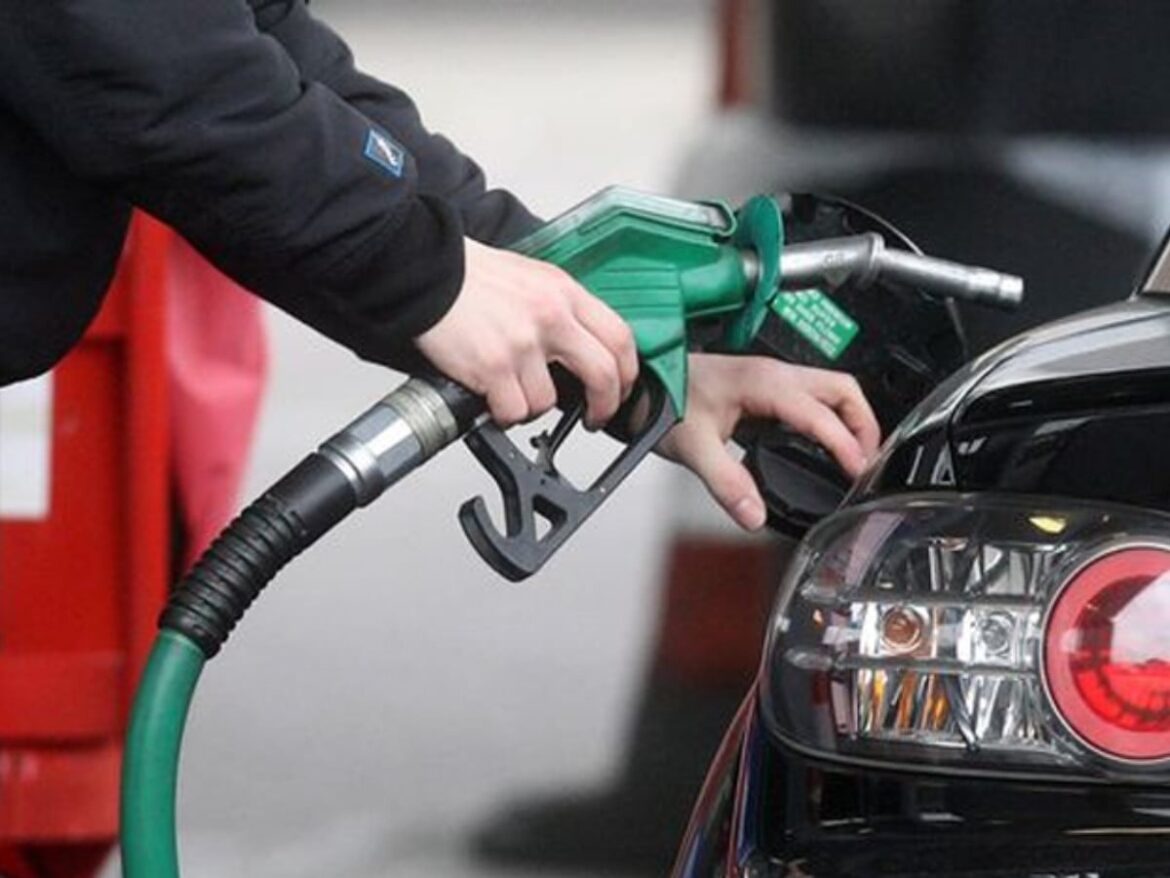
ISLAMABAD: The government has raised petrol and diesel prices by less than a rupee a litre for Wednesday, partly reversing cuts that took effect a day earlier under a daily pricing system that passes swings in global crude straight to the pump.
Petrol will rise by Re0.88 to Rs382.02 a litre, and high-speed diesel will increase by Re0.53 to Rs389.80, the Petroleum Division said in a notification. The prices apply only to Oct. 21. The division attributed the change to global developments, including movements in Platts benchmark rates, premiums and incidental costs.
Tuesday’s prices were Rs381.14 for petrol and Rs389.27 for diesel, after reductions of Rs5.16 and Rs7.69 respectively. The government continues to levy Rs114 a litre in taxes and duties on petrol, about 30% of the pump price, and Rs100 on diesel, about 26%.
Fuel remains far costlier than before the US-Iran war began on Feb. 28. Diesel peaked at Rs520.35 a litre on April 3, up from Rs281 before the conflict, and now sits about 25% below that high and roughly 39% above its starting level. Petrol climbed from about Rs266 in the first week of March to a record Rs458.41 on April 3. It is now about 17% below the peak and 44% above where it began. Earlier this month, petrol was close to Rs399 a litre and diesel was near Rs400.
The latest adjustment follows a rally in crude. Brent futures touched $111.99 a barrel on Tuesday, a five-month high and the highest since May, before easing to about $108.88 in New York morning trading. Traders are pricing in attacks by Yemen’s Houthis on Saudi infrastructure. The group said Monday that it had struck an Aramco site in Yanbu, the Shaybah oilfield and airports in Riyadh and Abha. Shiptracker Kpler said at least 18 vessels had reportedly been attacked over two weeks, keeping the risk premium in prices. Analysts at ING said the market was pricing in a significant premium, and that it would erode only slowly if Gulf flows continued uninterrupted.
Petroleum Minister Ali Pervaiz Malik said on July 17 that prices would be fixed daily because of fluctuations in international markets after fighting between Iran and the US resumed. The government had set prices weekly since early March, alongside measures to conserve fuel against possible supply disruptions. The prime minister had given the Oil and Gas Regulatory Authority (Ogra) responsibility for setting prices each day based on international trends. Ogra now publishes the prices on its website, and rates notified on Fridays hold through the weekend. They are based on a seven-day average of international prices.
Pakistan also brought back austerity measures this month. Shops, markets and malls must close by 9 p.m., and restaurants by 11 p.m. Fuel allocations for official vehicles have been cut by 50% for three months, with exemptions for the armed forces, law enforcement and essential services. The package also includes a ban on new government vehicle purchases, limits on official foreign travel and a 5% cut in the non-employee-related expenditure budget. The government first imposed such curbs on March 9. In April it announced targeted relief to provide subsidized fuel, and on Sept. 13 Prime Minister Shehbaz Sharif unveiled a relief scheme for users of motorcycles, autos and vehicles of up to 800cc.
Petrol is used mainly in private transport, small vehicles, rickshaws and two-wheelers, so price changes weigh on middle- and lower-middle-income households. Diesel powers heavy transport, power plants and large generators, and its price reaches the broader public through freight and electricity costs. Petrol and diesel are the main revenue earners in the fuel market, with monthly sales of about 700,000 to 800,000 tonnes, compared with about 10,000 tonnes a month of demand for kerosene.
Copyright © 2021 Independent Pakistan | All rights reserved