By Staff Reporter
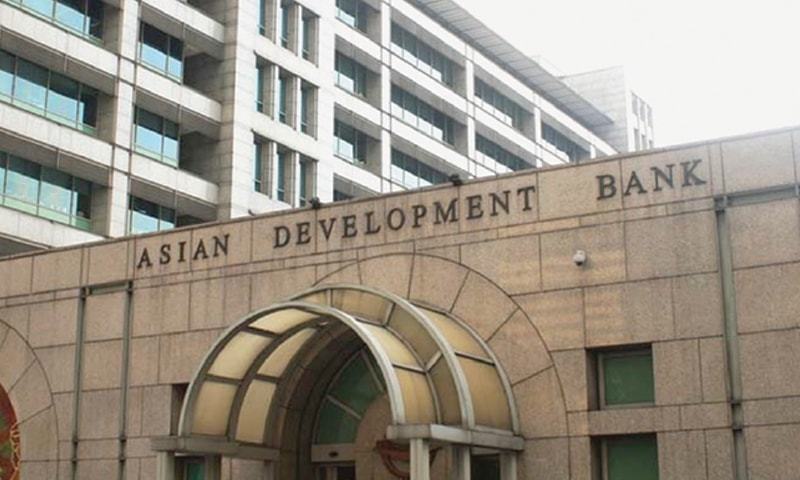
KARACHI: Pakistan’s economy is expected to grow at a meager 1.9 percent this fiscal year, far below the regional average of 5.4 percent, as it struggles with high inflation, weak currency, and policy uncertainty, the Asian Development Bank said on Thursday.
The Manila-based lender lowered its growth forecast for Pakistan from 2 percent in April, citing the impact of the erratic rainfall patterns and global price shocks.
It also raised its inflation projection for the country from 15 percent to 25 percent, the highest in South Asia, mainly due to higher food and energy prices, currency depreciation, and import restrictions.
“Pakistan’s GDP growth is projected to recover modestly to 1.9 percent in 2023-24 from 0.3 percent in FY23, with price pressures remaining elevated,” the ADB said in its Asian Development Outlook 2023 report.
It warned that “significant downside risks to the outlook remain, including from global price shocks and slower global growth”.
The bank said Pakistan’s growth would be driven by a modest rebound in domestic demand, supported by the easing of import restrictions, and the improvement of business confidence.
However, it noted that the growth rate was based on a low base effect of 0.3 percent in the previous fiscal year, and that uncertainty would linger and stabilization measures would limit the growth of demand.
The ADB said Pakistan’s economic recovery was contingent on the implementation of an economic adjustment program supported by a $3 billion’s International Monetary Fund facility, which aims to restore macroeconomic stability and fiscal discipline. The stand-by arrangement will run until April 2024.
“Pakistan’s economic prospects are closely tied to the steadfast and consistent implementation of policy reforms to stabilize the economy and rebuild fiscal and external buffers,” said Yong Ye, the ADB’s country director for Pakistan, in a statement.
“Greater fiscal discipline, a market-determined exchange rate, and speedier progress on reforms in the energy sector and state-owned enterprises are key to reviving economic growth and protecting social and development spending.”
The ADB warned that Pakistan faced significant downside risks, including from tighter global financial conditions, potential supply chain disruptions from the Russian invasion of Ukraine, and political instability ahead of the general elections expected in early 2024.
Pakistan needed to address its structural challenges, such as low tax revenue, high public debt, weak governance, and low human capital, to achieve sustainable and inclusive growth.
The country needed to enhance its resilience to climate change, natural disasters, and health shocks, and to foster regional cooperation and integration.
The report said the new program with the IMF has improved the prospects for multilateral and bilateral financing, while a more market-determined exchange rate is expected to stabilize the currency market and encourage remittance inflows through official channels.
“The need for Pakistan to address its long-term development challenges, such as low human capital, weak governance, and environmental degradation, to achieve inclusive and sustainable growth.”
Copyright © 2021 Independent Pakistan | All rights reserved