By Staff Reporter
ISLAMABAD: A committee chaired by Deputy Prime Minister Ishaq Dar recommended importing up to 800,000 more metric tons of wheat, extending a buying program that has so far failed to stop flour prices from climbing across Pakistan.
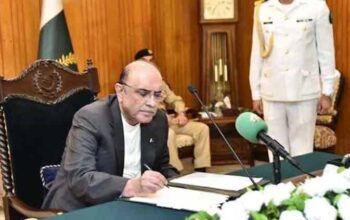
Dar, who is also foreign minister, chaired two meetings in Islamabad on Saturday, one on the proposed export of surplus sugar and another on the availability and price stability of essential food items. Participants at the second meeting assessed domestic wheat stocks and the supply mechanisms that move grain to market. They also weighed importing wheat if required to keep stocks sufficient at reasonable prices before the committee settled on the recommendation. The official statements didn’t say when the proposal would go for formal approval, or where the grain would come from.
Dar told government departments, provincial ones in particular, to carry out Prime Minister Shehbaz Sharif’s directives on nationwide price stability and to curb profiteering. He asked federal and provincial authorities to coordinate closely and act in time to prevent artificial shortages and price swings.
The meeting was attended by the ministers for National Food Security and Research and for Commerce, Special Assistant to the Prime Minister Tariq Bajwa, the food security secretary, special secretaries from Finance and Commerce, and senior provincial officials.
In the sugar meeting, the Committee on the Export of Surplus Sugar reviewed updated national stock assessments and domestic consumption needs. It also examined regulatory safeguards meant to keep any export approvals aligned with domestic requirements and market stability. Dar said protecting consumers from unwarranted price increases remains the government’s top priority and directed the relevant ministries to monitor supply chains closely.
Prices still rising
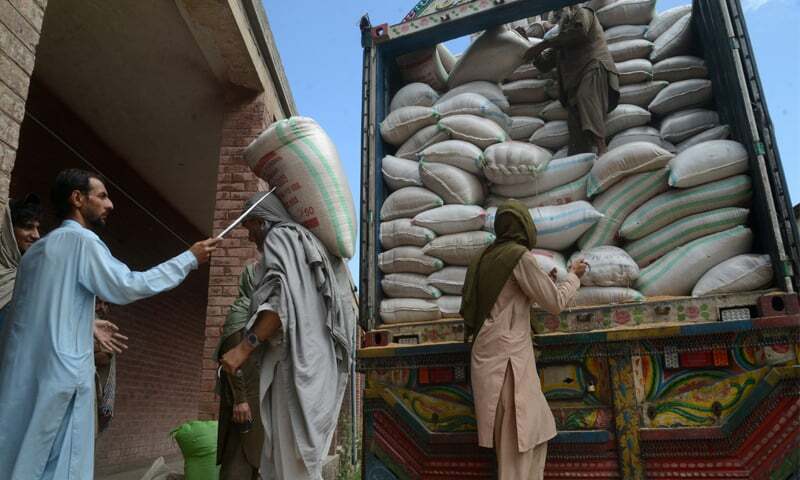
The recommendation follows weeks of rising flour costs. The first 51,000-ton cargo of imported wheat reached Karachi port on Oct. 28. More than 100,000 tons have arrived since then, yet retail flour prices rose again, with sellers adding Rs10 per kilogram in mid-November as mills charged more.
Pakistan Bureau of Statistics data for Nov. 19 put the national average price of a 20-kilogram flour bag at Rs2,968.92, about 38% above the year-earlier level. By the bureau’s weekly data, the same bag sold for as much as Rs3,600 in Karachi, Hyderabad, Islamabad and Bannu, and prices in some cities rose by more than Rs300 in a single week.
The size of the gap is disputed. Punjab’s agriculture department has confirmed lower wheat output this year and a shortfall of 2.5 million tons. Market estimates run to 3 million to 4 million tons before the next harvest. Muzammil Chappal, chairman of the Cereal Association of Pakistan, said he has been warning the government of a potential 4 million-ton shortage since May. An Express Tribune editorial last week pointed to suspected hoarding and disruptions to supplies between provinces.
The distribution of state-imported grain has also run into disputes. In Karachi, flour millers have offered to sell flour made from government wheat at Rs146 a kilogram, while the Sindh government wants the official price set at Rs140. The standoff has raised the prospect of mill closures.
The government had already decided to import about 1 million tons. The Economic Coordination Committee earlier this year approved a steering committee headed by Dar to assess import needs and design a mechanism with the provinces.
Former Finance Minister Miftah Ismail has criticized the handling. He said the government waited too long, didn’t import enough and routed purchases through the Trading Corporation of Pakistan instead of letting private traders bring in wheat. He also said farmers sold at the April-May harvest for less than Rs65 a kilogram, while wheat now fetches Rs155 to Rs157 in Karachi.
Sugar surplus
Sugar presents the opposite problem. Mill owners put unsold stocks at about 1.1 million tons, and they have warned that crushing for the 2026-27 season may not begin until December. The Economic Coordination Committee, chaired by Finance Minister Muhammad Aurangzeb, has approved the export of 416,000 tons. That is the third export authorisation in four months and brings the season’s permitted total to 724,000 tons. Earlier approvals covered 108,000 tons in August and 200,000 tons in September. The Pakistan Sugar Mills Association has sought permission to export 1 million tons since February.
Dar has kept the focus on domestic prices. At a Nov. 4 meeting he directed officials to hold strategic sugar reserves large enough to meet local demand without pushing up retail prices.
Copyright © 2021 Independent Pakistan | All rights reserved