By Staff Reporter
KARACHI: The goods transporters called off a nationwide strike that lasted 10 days and threatened to inflict $1 billion in economic damage, after clinching concessions from federal and provincial authorities on fines, axle loads and other regulatory hurdles.
“We have called off our strike, which continued for 10 days,” Malik Shehzad Awan, president of the Pakistan Goods Transport Alliance, said Wednesday. “We have done this after the federal and provincial governments of Punjab and Sindh accepted our demands and signed the settlement document.”
The alliance represents 20 major transport associations across the country. During talks, officials agreed to slash fines, address axle-load restrictions, resolve issues with heavy-transport driving licences, customs authorities, motorway police and disputed provisions in the Punjab Motor Vehicle Ordinance.
Lala Yasir Naseer, chairman of the All Pakistan Truck Trailer Owners Association, confirmed operations were restarting. “After being informed by our alliance, we have instructed our members to resume business activities,” he said.
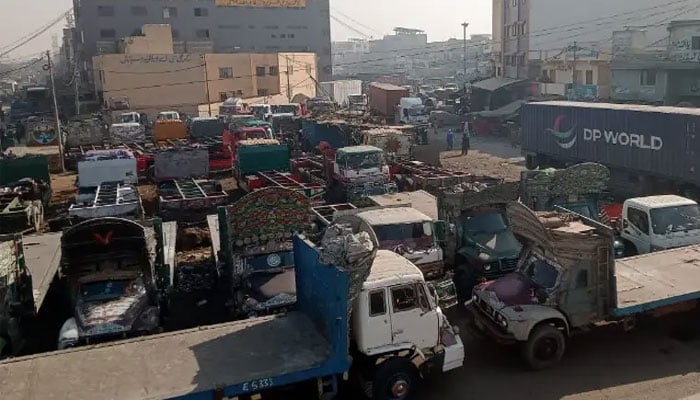
The walkout, which paralysed freight and stranded thousands of containers at ports, stemmed from the Dec. 8 enforcement of the Motor Vehicle Ordinance 2025. The measure ramped up fines, penalties, vehicle impoundments and police reports against drivers and operators, which unions decried as rushed and without consultation, rendering daily hauls unprofitable.
Tensions briefly cooled in parts of Punjab on Dec. 13 after initial talks, but dissatisfaction from groups like the All Pakistan Transport Federation prompted a full nationwide shutdown starting Dec. 19. Transporters met with federal and Punjab officials, plus representatives from ports and shipping, communications, motorway police, the National Highway Authority, the Federal Board of Revenue and customs.
Demands also covered designated parking near Karachi Port Trust and permissions for 25- to 30-year-old vehicles. While the All Pakistan Goods Transport Association pulled out last Friday after Punjab negotiations, other factions pressed on until the broader deal.
The disruption hammered Pakistan’s economy, already grappling with slumping exports and swelling trade deficits. Industrialists flagged billions in daily losses, with trucking — the backbone of logistics for textiles, medicines and essentials — grinding to a halt. “We are expecting a tremendous impact of the ongoing transportation strike,” said Ahsan Mehanti, chief executive officer of Arif Habib Commodities. “I believe that the major impact could be to the tune of $1 billion. And the reason behind that is primarily Karachi being a business hub will be most impacted with the ongoing strike.”
Textiles, which drive most of the nation’s foreign exchange, bore the brunt. Daily export shortfalls hit $92 million overall, including $52 million for the sector, according to Muhammad Jawed Bilwani, chief coordinator of the Pakistan Hosiery Manufacturers and Exporters Association. He labeled the port gridlock “economic sabotage,” warning it verged on collapsing the supply chain and forcing costly air freight to meet orders.
Kamran Arshad, chairman of the All Pakistan Textile Mills Association, tallied daily industry hits at over $60 million, reaching $540 million across nine days, plus $300 per container in demurrage and detention charges. Raw inputs languished at docks, starving factories, while finished products stacked up. “Containers are stuck at mills, ports and depots and inventories are building up,” Arshad said. “And backlogs are growing by the day.”
The strike piles onto Pakistan’s trade strains. November exports fell 15% to $2.4 billion, per the Pakistan Bureau of Statistics, with July-November totals down 6% to $12.8 billion. Imports surged 13% to $28.3 billion, bloating the deficit 37% to $15.5 billion. Inflation rose 6.1% last month, aligning with the central bank’s 5%-7% fiscal-year goal. October’s current account flipped to a $112 million deficit from September’s $83 million surplus.
Copyright © 2021 Independent Pakistan | All rights reserved