By Staff Reporter
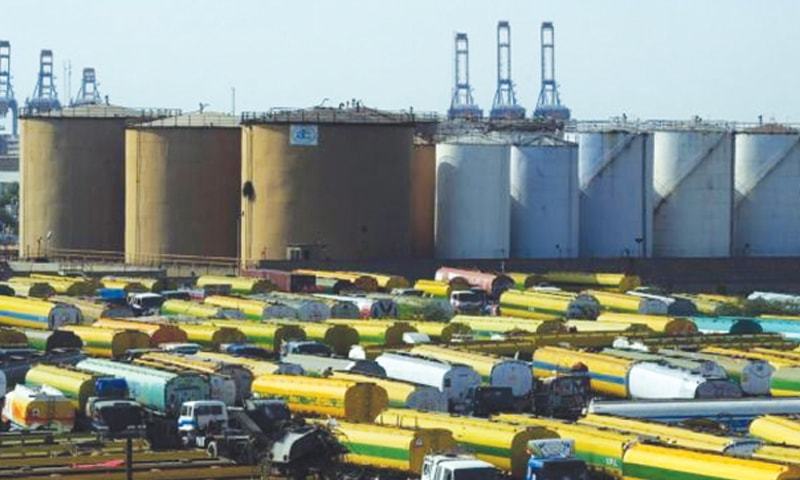
KARACHI: Pakistan’s goods transport strike shows no sign of easing after a first full day of negotiations between industry leaders and senior government ministers ended without resolution, leaving fuel tankers, freight trucks and trailers off the country’s roads for a fourth consecutive day.
Talks in Islamabad on Monday, which stretched late into the evening, failed to bridge the gap between transporters’ demands and what the federal government was prepared to offer, according to the alliance representing the striking drivers and operators. A further round of discussions is scheduled for Tuesday, but there was little optimism among transport leaders that a swift resolution was in sight.
The dispute, which has brought the movement of fuel, edible oil and freight to a standstill since vehicles began withdrawing from service on Friday night, centres on a cluster of long-standing grievances the transport sector says successive governments have failed to address. Chief among them is the enforcement of axle-load limits, which transporters say are applied inconsistently across the country, and a push to raise the permissible cargo weight for 10-wheeler vehicles from 27.5 tonnes to 35 tonnes.
Malik Shahzad Awan, president of the All Pakistan Goods Transport Alliance, said following Monday’s talks that no meaningful progress had been achieved despite extensive discussion with both the federal and Sindh governments.
“The deadlock still persists,” he said, adding that the protest would continue “until our demands are accepted” and that transporters had no intention of backing down. He called on the government to take more serious and concrete steps to resolve the impasse, saying that assurances offered so far had not translated into practical action.
The government’s negotiating team was led jointly by Communications Minister Abdul Aleem Khan and Petroleum Minister Pervez Ali Malik, and included senior officials from the Federal Board of Revenue, the ports and shipping ministry, federal secretaries and transport secretaries from all four provinces. Representing the transporters were alliance leaders Chaudhry Qamar Zaman Gul, Malik Shabar Khan, Nisar Hussain Jafri, Imdad Hussain Naqvi and Chaudhry Owais, alongside Mr Awan.
Talks began on Monday morning but made little headway, with neither side willing to shift position. A second session convened later that afternoon in an attempt to narrow the differences, before discussions eventually broke up without agreement.
Transporters have tabled three principal demands, each falling under the remit of a different government department. The first, concerning the National Highways Authority and the communications ministry, calls for the increase in permitted vehicle weight alongside a reduction in toll tax rates. The second demand, addressed to the petroleum ministry, seeks monthly rather than daily revisions to diesel prices, which transporters say make it difficult to plan routes and costs. The third relates to customs and income tax, with the alliance pressing for the withdrawal of provisions that allow authorities to confiscate vehicles found to be transporting goods in breach of customs regulations. The sector is also seeking relief from withholding tax.
Advocate Mohammad Owais Chaudhry, spokesman for the alliance, said the transporters had made their position clear to the government and did not intend to soften their stance. He said the strike would only end once the government agreed to meet the sector’s demands in full.
A senior official on the government’s side said the practice of adjusting fuel prices daily reflected volatility in international oil markets rather than any domestic policy choice, but indicated that ministers were open to reducing toll tax rates for heavy vehicles and reviewing the axle-load rules.
The economic toll of the standoff is already being felt keenly in Karachi, Pakistan’s commercial hub, where business leaders have warned that a prolonged halt to cargo movement threatens to disrupt industrial output, supply chains and export shipments.
Muhammad Rehan Hanif, president of the Karachi Chamber of Commerce and Industry, urged both federal and provincial governments to engage with transport sector representatives at the highest possible level without further delay. He cautioned that continued disruption to the movement of goods and petroleum products could have a knock-on effect across industrial production, the availability of raw materials, the delivery of finished goods, fuel supplies, domestic trade and exports.
Hanif appealed to transport sector stakeholders to weigh the scale of damage the strike was inflicting on the wider economy and called on them to suspend the action in the national interest, while expressing hope that renewed engagement with the government could see their demands addressed through dialogue. He offered the chamber’s services as a potential mediator in the dispute.
Separately, Fawad Anwar, chairman of the Pakistan Textile Council, wrote to Prime Minister Shehbaz Sharif warning that the strike posed a serious threat to the country’s textile and apparel supply chains and its export shipments. He noted that the industry depends on the uninterrupted transport of both imported and domestically sourced raw materials to factories, as well as the timely delivery of finished goods to ports for export.
While acknowledging that resolving the transporters’ demands would require coordination across several tiers and departments of government, Anwar warned that the economic cost of the ongoing deadlock would rise with each passing day. He urged the prime minister to bring together the relevant government authorities and transport sector representatives to secure an early end to the dispute.
With talks set to resume on Tuesday, both sides appeared to be digging in, leaving businesses across Pakistan facing further uncertainty over when normal freight and fuel movement might resume.
Copyright © 2021 Independent Pakistan | All rights reserved