By Staff Reporter
ISLAMABAD: A district and sessions court in Islamabad on Thursday struck down a lower court’s order to block 27 YouTube channels, handing a significant victory to 11 petitioners, including prominent journalists and political commentators.
The ruling deals a blow to the government’s efforts to curb online content under the contentious Prevention of Electronic Crimes Act (PECA).
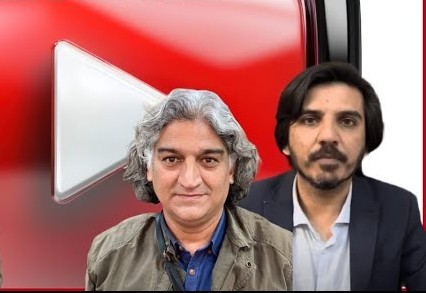
In June, a lower court had ordered the blocking of the channels, citing “fake, misleading, and defamatory” content targeting the government and armed forces. The targeted accounts included those run by journalists Matiullah Jan, Wajahat Khan, Ahmad Noorani, and Asad Ali Toor, as well as a number of former television anchors. Channels linked to former prime minister Imrna han’s Pakistan Tehreek-e-Insaf (PTI) party were also affected.
The decision sparked widespread condemnation from legal scholars, digital rights advocates, and media groups, who decried it as an assault on free speech.
Additional District and Sessions Judge (ADSJ) Muhammad Afzal Majoka, who had previously suspended the ban for seven petitioners, presided over Thursday’s hearing. He sharply criticized the National Cyber Crimes Investigation Agency (NCCIA), which had sought the restrictions. “You have started getting your work carried out through us. I will never let this happen,” Majoka said, questioning the legal authority for the bans. “Tell me under which authority channels can be shut down?”
The judge reserved his verdict after warning that petitions from those whose lawyers failed to appear would be dismissed for non-compliance. Later, he overturned the lower court’s order for the 11 petitioners, restoring their YouTube channels.
The original June ruling had relied on evidence from an NCCIA inquiry officer, with the court stating it was “convinced that the subject matter constitutes offences” under PECA and other penal laws. That decision followed the January 2025 enactment of the PECA Amendment Bill, which introduced harsher penalties for disseminating “false” information and established new regulatory and investigative bodies. Critics argue the law’s vague definitions grant excessive powers to silence dissent.
The banned channels, many critical of the government or military, have fueled accusations of political targeting, particularly given PTI’s fraught relationship with the ruling establishment.
Copyright © 2021 Independent Pakistan | All rights reserved