By Staff Reporter
ISLAMABAD: Diplomats from Pakistan and Afghanistan gathered in Turkey on Wednesday ahead of a third round of talks set to open Thursday, seeking to curb cross-border terrorism and reinforce a shaky ceasefire that has held since last month’s deadly clashes along their shared frontier.
The negotiations, mediated jointly by Turkey and Qatar, come after intensive behind-the-scenes diplomacy that followed border skirmishes in October, which marked the nadir in relations between the two countries since the Taliban’s return to power in Kabul in 2021.
Leading the Pakistani side is Lt. Gen. Asim Malik, the director general of the Inter-Services Intelligence agency, accompanied by high-ranking figures from the military, other intelligence bodies and the Foreign Office.
The Taliban delegation features Abdul Haq Waseq, head of the General Directorate of Intelligence; Rehmatullah Najib, the deputy interior minister; Suhail Shaheen, a spokesman for the group; Anas Haqqani; Qahar Balkhi; Zakir Jalali; and Afghanistan’s chargé d’affaires in Ankara.
A diplomat involved in the mediation, who spoke on condition of anonymity to the Pakistani newspaper Dawn, said the agenda would include assessing progress on prior agreements and hammering out details for a monitoring and verification system that both sides endorsed in outline during the last session.
That earlier round ended with a statement from the Turkish Foreign Ministry affirming that “all parties have agreed on continuation of ceasefire” and pledging “to put in place a monitoring and verification mechanism that will ensure maintenance of peace and impose penalty on the violating party.”
The statement also noted that key representatives would return to Istanbul on Nov. 6 to address how to carry out those measures. Even with that tentative accord, expectations remain guarded in Islamabad and Kabul.
Pakistani security leaders have reiterated that their core demand is unchanged: preventing Afghan territory from serving as a launchpad for attacks on Pakistan. “The Pakistan military and intelligence service have a single-point agenda — the end of terrorism,” said Lt. Gen. Ahmed Sharif Chaudhry, the military’s spokesman, in remarks earlier this week.
The prior session in Istanbul, which started Oct. 25, initially faltered when Pakistan rejected what it termed the Taliban’s “illogical” positions and its unwillingness to confront Islamabad’s worries over terrorism spilling across the border. Intermediaries convinced Pakistan to re-engage, paving the way for the ceasefire commitment.
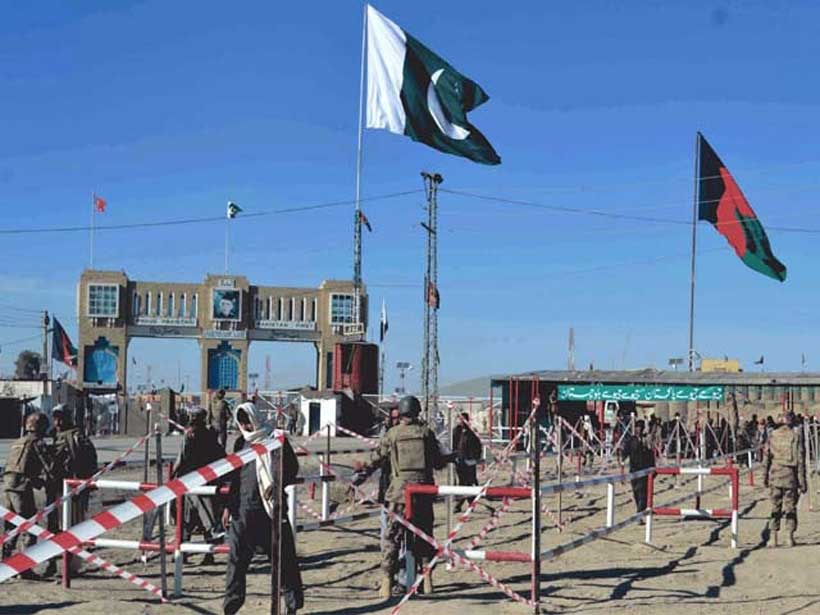
Strains between the capitals have intensified since the Taliban’s 2021 takeover, with Pakistan contending with heightened violence in regions like Khyber Pakhtunkhwa and Balochistan. Islamabad has persistently called on the Taliban to clamp down on groups behind the assaults on its troops and civilians. The Taliban, however, have mostly dismissed those appeals, offering sanctuary to various militants focused on Pakistan. Rather than tackling the terrorism issue, Taliban forces initiated unprovoked shelling at the border on Oct. 12. Pakistan’s military struck back, claiming over 200 Taliban and allied fighters killed, while mourning 23 of its own soldiers lost in the fighting. Strikes extended into Afghan territory, even reaching Kabul, where hideouts were demolished. Combat stopped when Pakistan agreed to a Taliban-proposed temporary halt on Oct. 17. The sides then convened in Doha under Qatari auspices, sealing the initial ceasefire deal.
Copyright © 2021 Independent Pakistan | All rights reserved