According to recent data, airlines and air travel operators have remitted approximately $639 million out of Pakistan during the fiscal year 2023 spanning from July to February. This marks an increase from the approximately $629 million remitted during the same period in the previous fiscal year, attributable to revenue from the passenger, freight, and other services.
By Staff Reporter
KARACHI: The State Bank of Pakistan (SBP) has allowed banks to allocate dollars to a broader range of clients, including foreign airlines, potentially making hard currency available to international companies seeking to repatriate earnings after months of delays, senior bankers said on Friday.
The move comes as the government aims to release money from foreign airlines and has already started making some payments.
Bankers added that the SBP seeks to reassure markets by repaying foreign investors’ backlog, which built up during a long-running dollar shortage.
Last month, the International Air Transport Association (IATA) warned Pakistan that foreign airlines could stop operations in the economically struggling country due to the sustained blockage of cash payments.
The trade association of global airlines said Pakistan owed foreign airlines some $290 million in “repatriable funds” as of January, the second-highest total after Nigeria.
IATA described Pakistan as a “very challenging environment” for airlines.
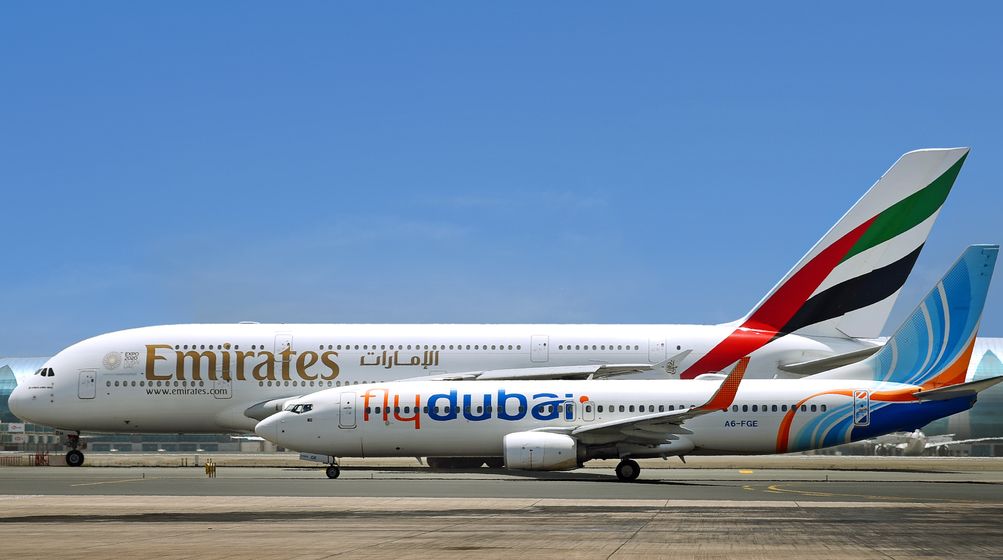
Currently, about 28 foreign airlines fly into Pakistan. Virgin Atlantic Airways recently suspended flights to Pakistan.
A finance ministry official said banks currently remit freight and passage collection of foreign airlines in accordance with existing foreign exchange regulations, subject to meeting the documentary criteria specified in the regulations, without the need for any regulatory approval from the State Bank of Pakistan (SBP).
“Moreover, it may be noted that during FY 23 (July to Feb), an amount of about $639 million has been remitted out of Pakistan as compared to about $629 million during the same period in FY 22, on account of passenger, freight and other services by airlines and air travel operators,” the official said.
The official said there could be processing delays at times, because of the need to complete the required documentation, banks’ internal processes, or other reasons. “State Bank of Pakistan is actively engaged with banks and the relevant airlines to resolve such issues.”
The airlines are facing the issue of repatriating funds after the country’s foreign exchange reserves fell below $4 billion, barely enough to cover four weeks of imports. As a result, the central bank has made it difficult to send dollars out of the country.
Airlines claimed that Pakistan’s foreign exchange controls are affecting the ability of foreign companies to retrieve their money and meet payment obligations.
Some airlines still have funds trapped in Pakistan from sales in 2022.
“If conditions persist that make the economics of operation to a country unsustainable, one expects airlines to put their valued aircraft assets to better use elsewhere,” an industry official said.
Prime Minister Shehbaz Sharif’s government has been in talks with the International Monetary Fund to persuade the lender to resume disbursements from a $6.5 billion bailout program agreed to in 2019.
The IMF was due to release another $1.1 billion in November but has not done so, citing a lack of progress on reforms Pakistan agreed to implement.
The IMF fund is vital to unlocking other external financing avenues to help Islamabad avert a default on its foreign debt obligations.
China, Saudi Arabia, and the United Arab Emirates are among several countries that pledged to help Pakistan fund its balance of payments.
Pakistan’s foreign currency shortage and declining local currency value are also hurting other vital sectors. Several car manufacturers have paused production due to economic conditions.
Copyright © 2021 Independent Pakistan | All rights reserved