By Staff Reporter
ISLAMABAD: Prime Minister Shehbaz Sharif announced on Saturday that residential electricity consumers in flood-hit areas would be exempt from paying their August bills, as the government moves to ease the financial burden on households reeling from deadly flash floods that have killed nearly 1,000 people.
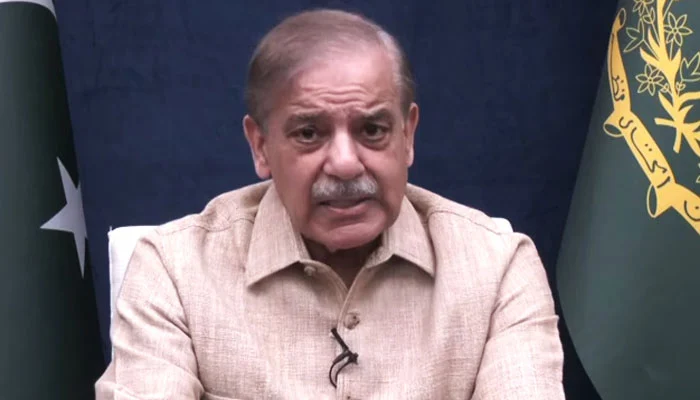
In a televised address, Sharif said the decision would cover all affected residential users, with the federal government footing the bill. “In this context, I have decided that residential consumers in flooded areas will have their power bills forgiven for one month; they will not have to pay for the month of August,” he said.
The premier added that those who had already settled their August dues would see the amount deducted from their next bill. “Residential consumers who have already paid for August will have the sum deducted from next month’s bill,” he said. “Distribution companies have already been issued instructions.”
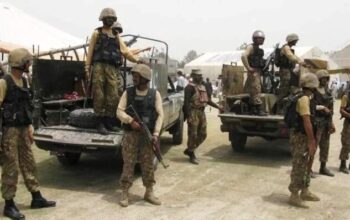
Sharif stressed the scale of the disaster, noting that floods had ravaged communities nationwide, claiming lives, wiping out livestock and livelihoods, and inflicting severe damage on homes. “To help those in affected areas, the federal government, provincial governments, the public and the army have come together to keep rescue operations going,” he said. “Helping the flood victims is our duty.”
For commercial and industrial consumers in the impacted zones, the collection of August bills has been deferred.
The announcement comes as authorities tally the broader economic toll from the floods, which have devastated crops and infrastructure in Punjab province and are now advancing into neighbouring Sindh, raising fears of fresh food price spikes in the debt-burdened South Asian country.
Sharif said assessments were under way for losses in the agricultural, commercial and industrial sectors. He pledged additional relief if the damage exceeded certain levels and vowed personal oversight of the recovery. “I will not rest until every displaced person is rehabilitated and able to return home,” he said.
The National Disaster Management Authority reported at least 972 deaths from the floods so far, with widespread destruction of homes, farmland and livestock.
Pakistan’s economy has shown tentative signs of stabilisation in recent months, with inflation cooling to 4.1% in July 2025 from double digits a year earlier and foreign reserves reaching a two-year high, bolstered by a $7 billion IMF loan approved in September last year and credit rating upgrades from agencies including Moody’s to a positive outlook.
Yet these gains risk being undermined by devastating floods, specially the country’s foodbasket Punjab province during August, which submerged thousands of villages and farms, destroyed crops and livestock, and are poised to drive up food prices while inflicting billions in damages on an agriculture sector that accounts for a quarter of GDP. Islamabad also faces mounting pressures from external debt repayments exceeding $12 billion annually, and tepid GDP growth forecasts of 2.5% for fiscal 2025.
Analysts estimated the agricultural damage could trim as much as 0.2 percentage point from growth this year, though reconstruction-led demand might provide a partial counterbalance. Adding to the pressure, the State Bank of Pakistan is projected to hold its key rate steady at 11% when it meets on Monday, according to a poll of economists. Policymakers face the dilemma of curbing inflation pressures from crop losses while supporting an economy that’s losing momentum.
Copyright © 2021 Independent Pakistan | All rights reserved