By Staff Reporter
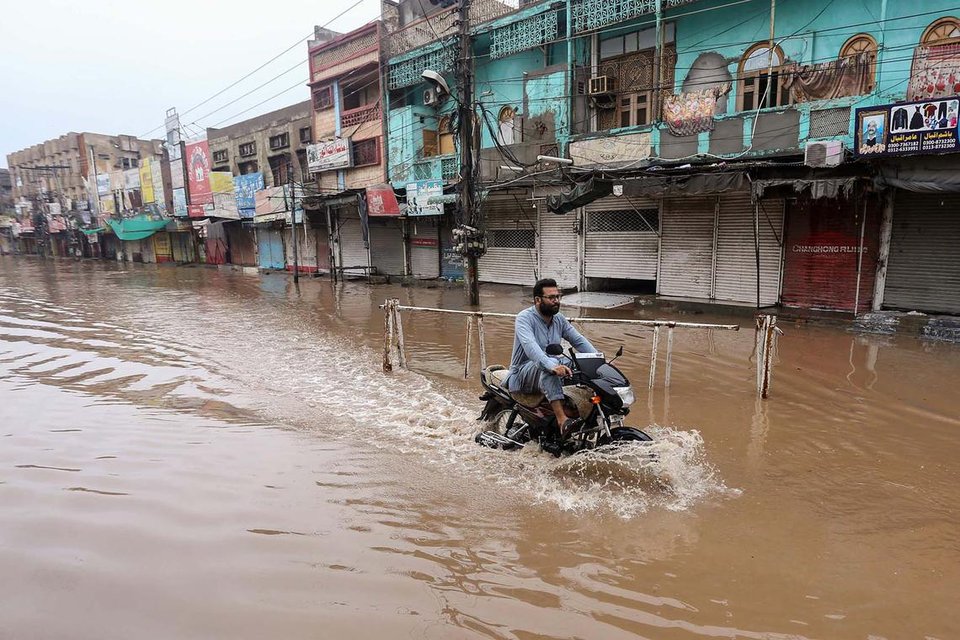
ISLAMABAD: Pakistan is reeling from catastrophic floods triggered by relentless monsoon rains, with the death toll rising to 79 and authorities bracing for more rainfall that could worsen the crisis in the coming days.
The National Disaster Management Authority (NDMA) reported that 79 people have died in rain-related incidents since the monsoon season began on June 26. Khyber Pakhtunkhwa province has suffered the most, with 29 fatalities, followed by Punjab with 24, Sindh with 15, and Balochistan with 11.
Dozens more have been injured nationwide. The deluge has ravaged infrastructure and agriculture, damaging 189 homes and killing 100 livestock. Khyber Pakhtunkhwa reported the highest number of destroyed houses, while Sindh recorded the largest loss of animals.
The National Emergencies Operation Centre (NEOC) issued an alert on Monday, forecasting moderate to heavy rainfall through July 10. The downpours threaten flash flooding near major rivers, including the Kabul, Indus, Jhelum, and Chenab. The NDMA warned that both riverine and flash floods could strike multiple regions.
Prime Minister Shehbaz Sharif directed disaster and rescue agencies to stay vigilant, citing concerns that operating the Tarbela Dam spillways could amplify flooding along the Indus River.
In Balochistan, the Provincial Disaster Management Authority confirmed seven deaths and widespread injuries over the past two days. The rains have battered 22 districts, leveling or damaging dozens of homes. Hard-hit areas like Awaran, Jhal Magsi, and Khuzdar have seen severe destruction, while flooding in Washuk district has wiped out crops and displaced residents.
Closer to the capital, tragedy struck Islamabad and Rawalpindi, where six people, including three children, drowned in rain-related incidents, police and emergency services said. In Khyber Pakhtunkhwa, six more deaths were reported across several districts.
The NEOC predicts surging water levels in major rivers, with low flood stages already observed along the Indus at Tarbela, Kalabagh, and Chashma. The Chenab and Kabul rivers are also expected to swell, while inflows at the Mangla Dam on the Jhelum River may hit flood levels soon.
In southern Pakistan, hill torrents in Dera Ghazi Khan and Rajanpur districts could see significant flows, and northeastern Balochistan faces risks from overflowing streams. In the north, warming temperatures in Gilgit-Baltistan are melting glaciers faster, raising the specter of sudden floods and landslides.
Pakistan, with a population exceeding 240 million, ranks among the world’s most climate-vulnerable nations. In 2022, unprecedented monsoon rains and glacier melt unleashed floods that killed over 1,700 people and affected 33 million.
Since then, the country has endured a relentless cycle of extreme weather, from searing heatwaves to punishing droughts and torrential rains. Authorities urge residents to prepare as the current monsoon season tests the nation’s resilience once again.
Copyright © 2021 Independent Pakistan | All rights reserved