By Staff Reporter
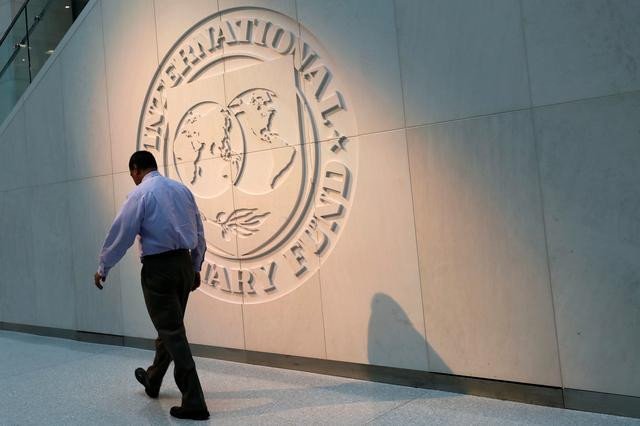
ISLAMABAD: Pakistan is preparing for a pivotal encounter with the International Monetary Fund this month, as a staff mission arrives to assess whether the South Asian nation has done enough to keep its $7 billion bailout on track despite a persistent revenue shortfall and stalled anti-corruption reforms.
The mission, led by Iva Petrova, is scheduled to land in Islamabad on Sept. 23 for a visit lasting nearly two weeks, according to people familiar with the arrangements. It will conduct the fourth review of the Extended Fund Facility and the third review of a separate $1.4 billion Resilience and Sustainability Facility, covering the year ended June 30.
A successful review would unlock roughly $1 billion — 760 million Special Drawing Rights — under the EFF, plus another $200 million tied to the climate-focused RSF, with disbursement expected by late November or early December.
IMF staff will open discussions with technical talks at the State Bank of Pakistan before moving to meetings with sectoral teams across government ministries. As is customary, the mission will hold an inaugural session with Finance Minister Muhammad Aurangzeb to set the tone for the review.
Pakistan entered the 37-month program to stabilize an economy that has required repeated Fund bailouts, with conditions built around fiscal discipline, structural overhauls and steps to underpin longer-term growth.
A central focus this round will be whether the Federal Board of Revenue can meet its first-ever half-yearly revenue collection benchmark under the program — a structural condition introduced after years of the tax authority falling well short of its annual targets.
The review also arrives after provincial governments ceded more than 1.035 trillion rupees of their National Finance Commission awards to the federal government this fiscal year, citing national security and water resource needs. That transfer came on top of a separately committed 1.8 trillion-rupee cash surplus that provinces agreed to under pressure from the Fund.
Pakistan’s performance against fiscal targets through end-June was largely on track, though not without blemishes. The government breached an IMF condition barring intervention in commodity markets, wading into wheat and sugar operations in violation of its commitments — a slippage likely to draw pointed questions from Fund staff.
Because both the EFF and RSF undergo reviews on a twice-yearly cycle, Pakistani officials and the Fund mission will need to reconcile assessments of past performance with an agreed path forward before any financing is released.
Perhaps the starker gap lies in economic governance. Of more than three dozen targets set for the January-to-June period, only a handful were met, according to people familiar with the assessment — a shortfall that traces back to an IMF governance and corruption diagnostic that flagged serious weaknesses in Pakistan’s anti-graft efforts. Those targets were subsequently set by the prime minister in response.
While Islamabad has introduced measures meant to bring transparency to procurement at state-owned enterprises, the practice of direct contracting without competitive bidding has continued largely unchecked. There have also been instances of agencies issuing tenders only after projects were already completed by favored contractors — a sequence that undercuts competitive pricing and the transparency the reforms were meant to deliver. Rules designed to close that loophole have yet to be enacted.
The coming review follows a notably warmer public assessment in July, when the IMF’s Resident Representative for Pakistan, Mahir Binici, described the country’s reform effort under the loan program as strong. Binici’s remarks, delivered at a guest lecture in Islamabad and relayed in a release from the Sustainable Development Policy Institute, characterized Pakistan’s performance under the 2024 facility as strong so far.
Copyright © 2021 Independent Pakistan | All rights reserved