By Staff Reporter
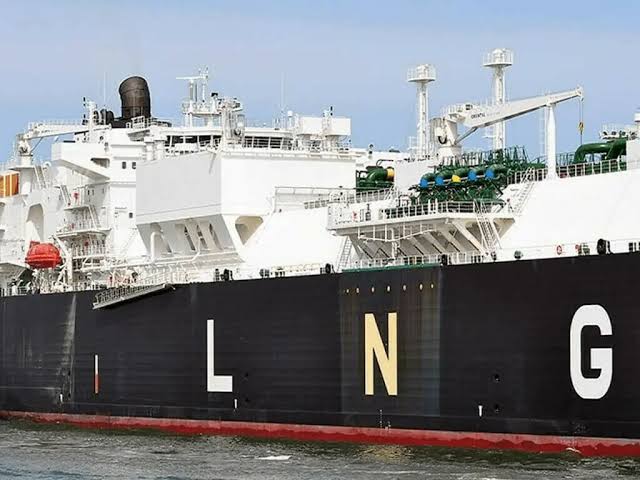
KARACHI: Pakistan is seeking at least 24 cargoes of liquefied natural gas for winter, including 10 on the spot market at about twice what it pays Qatar, according to a government document.
The Petroleum Division has proposed a gas load management plan for November through February that would secure contingency supplies if disruptions to existing contracts persist. The plan awaits approval from the Cabinet Committee on Energy.
Pakistan relies heavily on imported LNG to supply power plants, factories and households, and Qatar normally delivers an average of nine cargoes a month under long-term government-to-government agreements. Those flows have been severely disrupted since March, when QatarEnergy first declared force majeure after an Iranian attack on a major gas facility. Qatar is among the LNG producers hit hardest by the US-Iran conflict that began in February, and its export capacity remains well below pre-war levels.
The Petroleum Division estimated that 24 cargoes would be needed to meet winter demand on the Sui Northern Gas Pipelines Ltd. network. Nine would go to the power sector and 15 to domestic consumers, including two contingency cargoes. The document says the government will import 12 cargoes from Qatar and buy 10 on the spot market, which sums to 22, two short of the stated requirement. It puts total LNG spending this winter at more than $1 billion.
A senior energy ministry official said the spot market would be used only as a last resort given the cost. He spoke on condition of anonymity because he wasn’t authorised to speak publicly. He estimated that a spot cargo would cost $80 million to $100 million at current prices, against as much as $50 million for a shipment under the long-term Qatar contract. Spot rates are running at $30 to $35 per million British thermal units, versus $12 to $15 under the Qatar deal, he said.
The spot range is above the ceiling the government has reportedly set for itself. Sources told local media earlier this month that the government intends to cap spot LNG prices at $26 to $27 per million British thermal units. Those reports also put the winter requirement higher, at a minimum of 25-26 cargoes for the November-February period. For comparison, Pakistan State Oil and Pakistan LNG Ltd. imported 36 cargoes during the previous winter.
The Petroleum Division has also proposed that Pakistan LNG activate its agreement with Azerbaijan’s SOCAR, booking one cargo a month from November through February at a maximum of $20.969 per million British thermal units. The same summary notes that Rs78 billion remains to be settled under the gas circular debt management plan.
Prime Minister Shehbaz Sharif chaired a meeting on Oct. 6 and directed officials to finalize the plan. Domestic consumers will get priority for locally produced gas, while imported LNG will be prioritized for power generation and industry. The government will run a public campaign urging households to use alternatives to local gas, and is considering bank financing for electric water and space heaters. It is also likely to amend rules governing LNG terminals to allow third-party access. Private power producers may be allowed to import LNG on their own. After the energy committee acts, the plan goes to the federal cabinet for final approval.
If Pakistan fails to secure the cargoes it needs, or faces a “severe shortage,” the plan puts households first. Supplies to industry, captive power plants, fertilizer makers and compressed natural gas stations could be curtailed.
The plan’s execution will largely determine whether households and businesses face gas shortfalls when heating demand peaks and fuel competition intensifies.
Higher LNG costs would also weigh on Pakistan’s external accounts. The country imported $16.9 billion of petroleum products last year, up 6% from the year before, according to official data. LNG imports fell more than 28% to $364.1 million in July-August of fiscal 2026-27 from $507.9 million a year earlier, Pakistan Bureau of Statistics data show. Imports of liquefied petroleum gas rose 15% to $176.8 million from $154.1 million. For the last fiscal year, LNG imports dropped 36% to $2.22 billion, while LPG imports rose 3.2% to $1.09 billion.
Muhammad Waqas Ghani, head of research at JS Global Capital, said Pakistan will probably have to lean more on spot LNG and other sources to close the winter gap, but that high global prices and tight availability will make it costly. Asked about the balance of payments, he said a bigger import bill would widen the current account deficit.
Copyright © 2021 Independent Pakistan | All rights reserved