By Staff Reporter
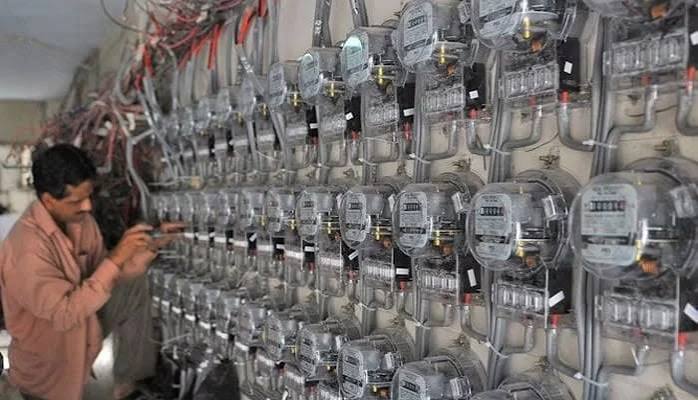
ISLAMABAD: The government has asked power regulator to approve a flat additional fuel-cost charge of 3.04 rupees per unit of electricity for October through December, two days after the government announced a plan to limit the increase to about 83 paisa a unit including taxes.
The Power Division says the two numbers aren’t measured the same way. A spokesperson said the 83-paisa figure was a comparison with September’s fuel cost adjustment of 2.37 rupees a unit. Nepra sources put the proposed 3.04 rupees 67 paisa above September’s rate. Both figures are now in circulation for the same three months.
The National Electric Power Regulatory Authority has called an emergency public hearing for Wednesday, Dec. 2, with the charge to appear on bills from December. “The ministry has requested an FFCA of Rs3.04 per kWh,” the regulator said in its hearing notice, referring to the forward-looking fuel cost adjustment, for the period through December 2026.
The petition puts October at 2.88 rupees over the reference rate already charged to consumers, a figure on which a hearing has been completed. It estimates November at 92 paisa and December at 5.13 rupees, and averages the three to reach 3.04 rupees. The estimate rests on current fuel prices, expected LNG supplies, additional gas allocations and reliance on thermal fuels. A flat rate would leave households paying about 2.12 rupees more than projected for November and about 2.09 rupees less than projected for December.
The federal cabinet approved the change to the monthly mechanism by circulation and issued policy guidelines to Nepra. Those cite the 2013 National Electricity Policy, which calls for “recovery of the full cost of service, to the extent feasible” through a predictable and uniform tariff framework. The Power Division said fuel costs are normally recovered with a two-month lag, and that delays in passing through higher prices have created a severe liquidity shortfall in the sector.
The cost pressure comes from the Strait of Hormuz. The petition says the closure of the waterway after the regional conflict sent Brent crude above $120 a barrel, against roughly $70 assumed when base tariffs were set, and lifted imported coal to $123 a tonne from about $85. Oil has since eased. Brent settled at $95.44 on Friday, up 3.1% on the week, as an attack that halted some operations at Saudi Arabia’s Jazan refinery and continuing threats to Hormuz shipping revived supply concerns. That is still more than a third above the base-tariff assumption.
Qatar normally supplies Pakistan with about nine LNG cargoes a month under long-term agreements, which are priced near $14 per million British thermal units against spot prices of about $33. QatarEnergy has extended its force majeure until Dec. 29, and Pakistan has been planning for about 10 cargoes in December and January against an estimated need of 20. Bids received for two spot cargoes for December and January delivery went as high as $31. Islamabad has said it is covering requirements with contracted supplies and extra spot cargoes where necessary.
In a Thursday statement, the Power Division warned that lower hydropower output pushes thermal fuels above 80% of the generation mix in some months. The division said fuel optimization and load management kept the combined fuel and quarterly adjustment increase to an average of 2.38 rupees a unit between April and September, sparing consumers a potential 6 to 7 rupees. It also noted that the national average tariff fell to 44.28 rupees by March 2026 from 53.04 rupees when the government took office in March 2024.
The request lands in the middle of Pakistan’s program with the International Monetary Fund. The government has assured the fund in writing that Nepra will keep issuing automatic monthly fuel adjustments and quarterly tariff adjustments on time, and that it will cap power subsidies at 830 billion rupees in the current budget. Power-sector circular debt reached 1.675 trillion rupees at the end of June, above the target agreed with the fund, and the IMF has questioned the 61 billion-rupee increase over the last fiscal year. Nepra has not said when it will rule after the hearing.
Copyright © 2021 Independent Pakistan | All rights reserved