By Staff Reporter
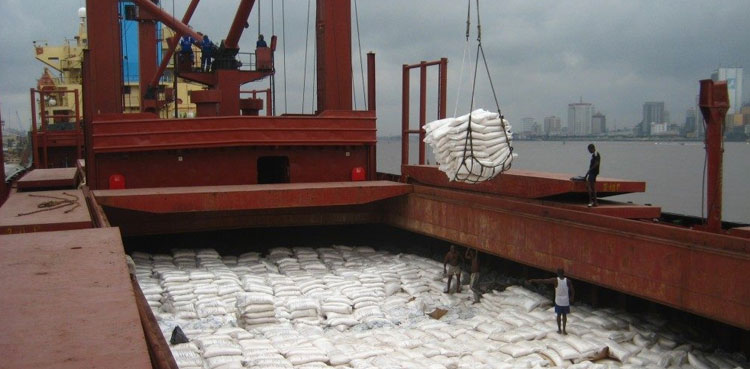
ISLAMABAD: Pakistan finalised the mechanics for exporting 200,000 metric tons of surplus sugar and created a committee to watch domestic prices. Millers say the step does little to shrink a stockpile that will carry into the new crushing season.
Deputy Prime Minister and Foreign Minister Ishaq Dar chaired a meeting of the Cabinet Committee for the Export of Surplus Sugar on Tuesday. The committee finalised the export modalities and approved a monitoring panel to check sugar prices regularly. Dar told the ministries involved to speed up the process and clear pending formalities. He said the aim was to support the sugar industry and cane growers, raise foreign-exchange earnings and protect consumers.
The food security and climate change ministers attended, along with Tariq Bajwa, a special assistant to the prime minister, the commerce and food security secretaries, and officials from federal and provincial departments.
The approval is the latest in a series. The Economic Coordination Committee allowed the export of 108,000 tons of imported sugar on Aug. 19. The same body cleared 200,000 tons of surplus sugar on Sept. 14, with safeguards meant to keep domestic prices stable. Food Security Minister Rana Tanveer Hussain said that once needs through the start of crushing are met, the country would still hold more than 600,000 tons of surplus, of which 200,000 would be exported.
The industry’s numbers are much larger. A sugar-sector official said stocks stood at more than 2.6 million tons on Aug. 31. Domestic demand of about 1.4 million tons through Nov. 15 would still leave a surplus of roughly 1.25 million tons entering the 2026-27 season. Output next season is projected at 8 million to 8.5 million tons.
By that reckoning, the official said, the quota is negligible and an inadequate response to a looming crisis. The Pakistan Sugar Mills Association wants permission to export at least 1 million tons immediately. The group has put the export value of the 1.25 million-ton surplus at $600 million to $700 million at current world prices.
The official warned that without timely exports, mills would have to delay crushing because they lack storage space and cash, which would bring a collapse in cane prices. “This would be disastrous for the farmer, who is already a victim of depressed wheat prices and cannot afford a second consecutive blow to his major cash crop,” he said. Next year, he added, could be the worst on record for cane growers and for agriculture more broadly.
A veteran miller said the 200,000-ton figure had been announced so many times that it felt as if permission for 2 million tons had been granted. He questioned what exports would achieve now that mills had already taken heavy losses.
Millers argue that small, late export quotas leave the core problems of surplus stock and cash flow untouched. With warehouses full, they say, mills cannot pay farmers on time or prepare for the new season. The government is trying to serve two goals at once: supporting mills and growers through exports, and shielding consumers from price increases through the monitoring panel.
PSMA Chairman Zaka Ashraf said at a press conference last month that mills could delay the start of crushing if surplus stocks were not cleared, and that they could pay growers international prices if the sector were fully deregulated. The association has been pressing for exports since February and has said it hopes the remaining 800,000 tons will be cleared soon.
Ashraf said on Tuesday that the association, the industry’s main stakeholder, was not invited to the consultation. He also noted that beet sugar was left out of the export plan even though it forms part of the surplus.
Stakeholders say the next few weeks will be decisive. If a bigger quota isn’t approved before mid-November, they say, the surplus will spill into the new season, pushing down ex-mill prices, delaying cane payments and hurting mills and growers alike.
The government’s caution has a history. Exports allowed last year were followed by a rise in prices to 220 rupees per kilogram. Sugar had been selling at about 140 rupees before that increase.
Copyright © 2021 Independent Pakistan | All rights reserved