By Staff Reporter
ISLAMABAD: Pakistan’s petroleum minister signaled that pump prices for gasoline and diesel are poised to decline after cargo vessels carrying the country’s oil supplies safely navigated the Bab-al-Mandeb Strait, a Red Sea chokepoint that has been targeted repeatedly by Houthi militants.
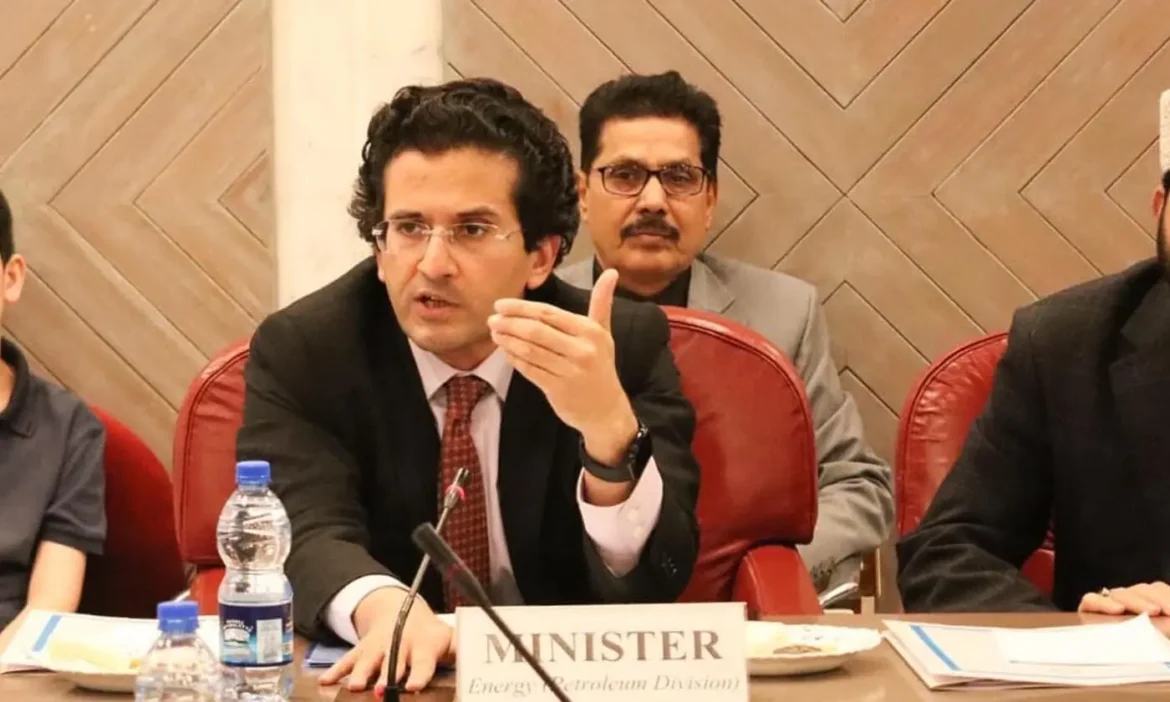
Petroleum Minister Ali Pervaiz Malik told reporters in Islamabad on Monday that ships previously stranded near the strait had cleared the area, easing a supply bottleneck that had threatened to disrupt the South Asian nation’s fuel imports. He said global prices for crude oil, diesel and gasoline were already softening as a result.
“Today’s good news is that our ships stuck at Bab-al-Mandeb have come out safely,” Malik said following talks with representatives of the Oil Tankers Contractors Association.
The minister pointed to a pricing mechanism administered by the Oil and Gas Regulatory Authority that calculates fuel costs based on a weekly average drawn from international markets. Malik said the formula was designed to ensure transparency and would likely translate into lower prices at the pump, potentially as soon as Tuesday, depending on how the week’s average shakes out.
Asked whether authorities might revert to weekly or twice-monthly price reviews once the current disruption subsides, Malik declined to commit, saying the government’s focus for now was on passing savings through to consumers. “Let the people benefit from the declining trend first, and then we can discuss the future,” he said.
Tanker Dispute Addressed
Monday’s meeting with the tanker association centered on a separate set of grievances tied to the domestic transport of petroleum products. Malik said operators had raised concerns with the regulator over quota allocations for road-based fuel transport and over freight charges that have gone unadjusted since 2023, even as costs — largely pegged to diesel prices plus a fixed component — have risen.
In response, the government formed a committee, with representation from the tanker association, to examine whether fixed freight charges warrant an inflation adjustment. Malik framed the review through a constitutional lens, saying the panel would work to ensure operators received what he called legitimate returns. The same committee was tasked with auditing quota distribution to root out any bias or unequal treatment among operators, with a report due Tuesday.
A separate statement from the Petroleum Division characterized the broader talks with the tanker association as successful, noting that both sides — the government and an OTCA delegation led by the association’s president, Abidullah Afridi — had agreed to collaborate on resolving industry-wide issues. That statement said a wider committee, chaired by the special secretary for petroleum, would deliver its own recommendations within one week.
That panel is set to include the director general for oil, representatives from the energy regulator and the tanker association, and the secretary general of the Oil Companies Advisory Council, according to the statement.
Operators’ Demands
The tanker association’s delegation used the meeting to press a broader set of demands, according to the Petroleum Division statement. These included cutting the quota allocated to the White Oil Pipeline, establishing a transparent process for awarding freight contracts through oil marketing companies, tying the freight-pricing formula to Pakistan’s Consumer Price Index, and halting commercial loading of tankers immediately.
Malik directed the energy regulator to engage closely with industry stakeholders to resolve what he described as legitimate complaints, the statement said. He also asked oil marketing companies to disclose their written policies for awarding freight contracts, a move intended to expose and address any discriminatory practices in how business is distributed among operators.
Separately, the minister instructed the regulator to strengthen tracking of oil tankers and to bar dealer-owned vehicles from being used in primary fuel transportation.
“The government’s foremost priority is to ensure uninterrupted fuel supplies and facilitate the public,” Malik said, according to the statement, adding that all parties needed to cooperate given the stakes involved. “All stakeholders must work together in the national interest, particularly during challenging times.”
The minister pledged that genuine concerns raised by the tanker association would be addressed through consultation. In turn, the association’s delegation welcomed the government’s approach and the formation of the review committee, expressing optimism that continued dialogue would resolve the outstanding disputes.
Copyright © 2021 Independent Pakistan | All rights reserved