By Staff Reporter
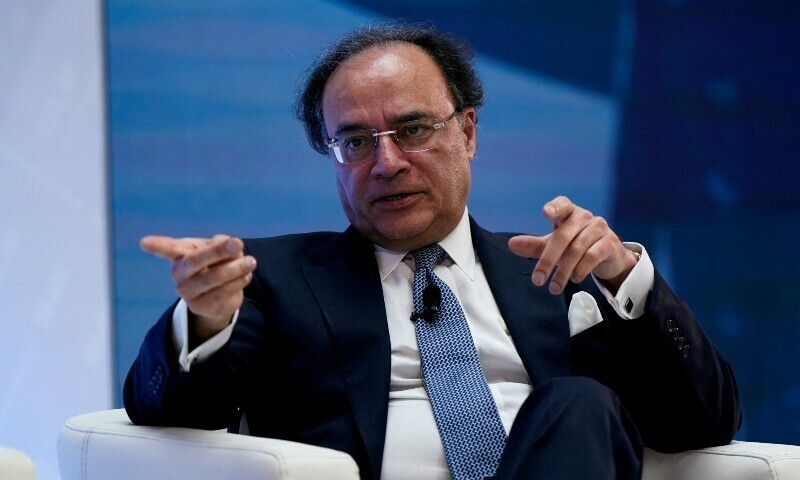
ISLAMABAD: Finance minister Muhammad Aurangzeb said on Wednesday that the country’s tax authority had met its revised revenue collection target for the fiscal year that ended this week, crediting administrative reforms and staff at the agency for what he called a landmark result in the government’s push to overhaul the tax system.
The the Federal Board of Revenue collected Rs13.601 trillion in gross taxes, fully meeting its revised tax target. The tax authroities paid Rs597 billion in tax refunds during the same period, bringing its total net tax collection to Rs13.003 trillion.
Pakistan revised its original revenue target downward to Rs13,000 billion [$46.33 billion] in consultation with the International Monetary Fund. The target was revised to reflect evolving economic realities such as inflation volatility, changing growth dynamics, domestic challenges such as floods and international geopolitical developments like the US-Iran war.
Aurangzeb, addressing officials at the headquarters of FBR on the first day of the new fiscal year, said the outcome should be measured against a broader two-and-a-half-year effort to raise revenue that has left collections nearly double what they were when the drive began.
“When we started this journey, our revenue collection was approximately 60 trillion [$215.8 billion],” Aurangzeb told the meeting, which was attended virtually by FBR Chairman Rashid Mahmood Langrial, board members, senior officers and chief commissioners and chief collectors from across the country. “This is one of the most significant improvements in Pakistan’s fiscal history.”
Pakistan has undertaken tax reforms in recent years as it aims to increase its tax net without imposing further burden on existing taxpayers. At around 10 percent, Pakistan’s tax-to-GDP ratio remains among the lowest in the world.
Aurangzeb said the increase in tax revenue had helped underpin broader improvements in Pakistan’s public finances, including the lowest fiscal deficit and the highest primary surplus on record, alongside stronger external sector indicators. He attributed the results to a combination of revenue growth and tighter fiscal management.
The finance minister singled out the FBR’s Inland Revenue and Customs formations, saying they had delivered higher collections even as the government extended significant tariff relief intended to support broader economic activity.
He also pointed to Rs599 billion ($2.1 billion) in tax refunds processed and disbursed during the year, including Rs13.5 billion released on the final day of the fiscal year — a sum he described as unprecedented and evidence of the government’s commitment to supporting businesses and exporters.
Aurangzeb conveyed what he said were congratulations from Prime Minister Shehbaz Sharif to FBR staff for their work over the fiscal year, and said Sharif had provided direct oversight of the government’s wider tax reform push.
Looking ahead, Aurangzeb said the government intended to press forward with an overhaul of the FBR built around a newly approved operating model, which he said would center on changes to personnel, processes and technology, including wider use of artificial intelligence and digital systems.
“Modern tax administration must focus not only on revenue collection but equally on taxpayer facilitation, transparency and public trust,” he said, adding that the government wanted to use technology and automation to make compliance easier while narrowing the scope for discretion and corruption within the agency.
He thanked Parliament for passing legislation needed to carry out the reforms and said the government remained committed to turning the FBR into one of Pakistan’s leading public institutions.
Langrial, the FBR chairman, thanked Aurangzeb for visiting the agency’s headquarters on the first working day of the new fiscal year and for what he called continued support for the institution. He credited close coordination between the Finance Division and the FBR throughout the budget process, including during consultations with the International Monetary Fund, provincial governments, coalition partners and parliamentary committees.
Langrial also pointed to internal changes at the FBR, saying the agency had prioritized merit, professionalism and integrity across its ranks.
Pakistan has operated under IMF-backed fiscal targets in recent years as part of efforts to stabilize its economy, and revenue performance at the FBR has been closely watched by the fund and by investors as a gauge of the government’s ability to meet its commitments.
Copyright © 2021 Independent Pakistan | All rights reserved