By Staff Reporter
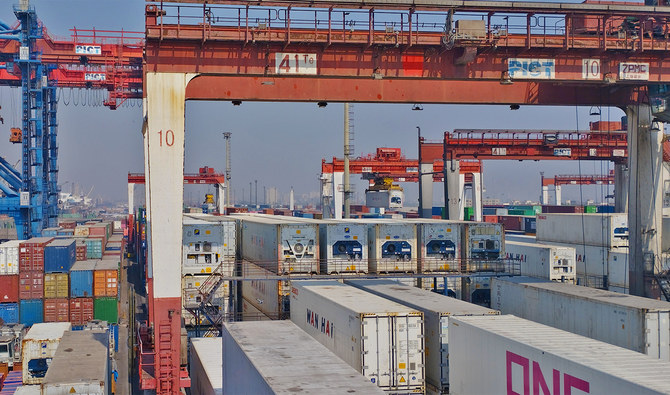
ISLAMABAD: Pakistan’s trade deficit widened by 21.57% to $39.471 billion in the fiscal year that ended in June, as exports fell and imports climbed, official data showed on Thursday, missing the government’s export target by more than $5 billion and adding fresh strain to the country’s external finances.
Exports totalled $30.126 billion in the 2025-26 fiscal year, down 5.97% from $32.040 billion a year earlier, according to the Pakistan Bureau of Statistics (PBS). Imports rose 7.89% to $69.597 billion from $64.507 billion, driven in part by duty relaxations announced in the federal budget and higher petroleum prices following the conflict in the Middle East.
The shortfall leaves exports $5.2 billion below the government’s official target of $35.3 billion, which had been set under the National Economic Transformation Plan 2024-29. Planning Minister Ahsan Iqbal has said Pakistan cannot secure a lasting exit from International Monetary Fund support until exports rise to more sustainable levels.
The annual trade gap of roughly $7 billion by which the deficit grew year-on-year is close in size to the three-year IMF bailout package the country is currently drawing on. The government has also missed the IMF’s tax collection target for the fiscal year by Rs975 billion, or about $3.5 billion.
June figures show sharper deterioration
The monthly data pointed to a further deterioration in June. Exports fell 9.61% to $2.239 billion from $2.477 billion a year earlier, while imports jumped 26.27% to $6.767 billion from $5.359 billion, PBS said. That pushed the monthly trade deficit up 57.11% year-on-year to $4.53 billion.
On a month-on-month basis, the deficit widened 63.76% from $2.77 billion in May, as exports slipped 16.73% from $2.69 billion and imports rose 24.07% from $5.45 billion.
Rupee valuation and export incentives in focus
Exporters have said the rupee is overvalued by about 5%, weighing on their competitiveness and encouraging some to prioritise the domestic market over shipments abroad. The rupee traded at around 278.15 to the dollar on Thursday. Sources also flagged concerns that some exporters retain a portion of proceeds overseas by underreporting the value of goods shipped or reclassifying exports as services to reduce their tax liability, though the scale of the practice was not quantified.
The government has continued to provide broad-based export subsidies rather than tying support to performance, a practice the Planning Commission flagged last month in recommendations to the National Economic Council, urging a shift in incentives “from protection and rent-seeking to productivity and export performance.” The recommendation was not adopted before the fiscal year closed.
In the budget, the government set aside Rs88 billion for loans to exporters at a subsidised 4.5% interest rate, while withdrawing Rs76 billion in subsidies that had covered the transfer costs on remittances sent through banks and foreign exchange companies.
Under its current IMF programme, Islamabad has committed to cutting import taxes by 52% over five years, a liberalisation push that has not yet been matched by a corresponding rise in exports, leaving the external account under pressure.
Outlook for new fiscal year
For the 2026-27 fiscal year, the government has set an export target of $32.8 billion, just 8.5% above last year’s actual exports and below the trajectory implied by its longer-term National Economic Plan goals for 2029. Imports are projected to exceed $70 billion, with the trade deficit targeted at $37 billion, a gap officials expect will be financed largely through remittance inflows.
Iqbal pointed to Pakistan’s literacy rate, now near 63%, as a structural constraint on export growth relative to regional peers, telling reporters that export performance tends to track improvements in human capital. “We must shift our focus from loans and aid to increasing exports and investment, and reducing imports through enhanced productivity and innovation,” he said.
The Planning Commission’s presentation to the National Economic Council, which includes representation from the federal government and all four provinces, also highlighted that regional economies which invested more heavily in human capital had achieved faster export growth.
The trade deficit for the year was more than double the size of Pakistan’s gross official foreign exchange reserves, underscoring the pressure on the external account heading into the new fiscal year.
Copyright © 2021 Independent Pakistan | All rights reserved