By Staff Reporter
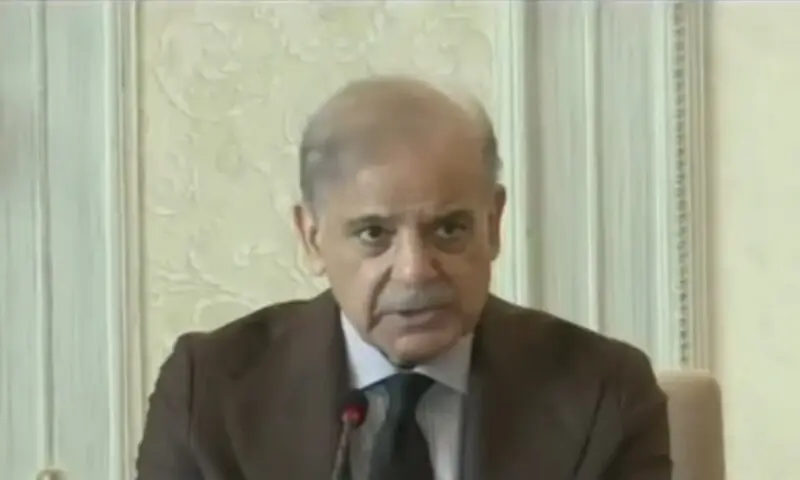
ISLAMABAD: Prime Minister Shehbaz Sharif told his federal cabinet on Wednesday that Pakistan’s weekly oil import bill has more than doubled to $800 million because of the sharp rise in global fuel prices triggered by the ongoing conflict in the Middle East.
The increase, from roughly $300 million before the war, reflects the paralysis of shipping through the Strait of Hormuz since the United States and Israel launched joint strikes on Iran on Feb. 28. Global oil prices have climbed steeply in the past two months, with Brent crude reaching $114.64 a barrel.
Addressing the cabinet meeting, Sharif praised Petroleum Minister Ali Pervaiz Malik for managing the resulting fuel crisis, saying the situation now appeared “satisfactory.” He noted that domestic fuel consumption had fallen compared with previous weeks and that authorities were monitoring developments daily. Consultations with the provinces were underway to extend fuel subsidies, he added.
The prime minister described the economic pressure as a significant setback after two years of macroeconomic progress. “Allah Almighty had placed our economy on a macro level, and we were growing in numbers,” he said, “but as a result of this sudden war, our efforts made in the last two years have gone down. You and I have no say in this.”
Despite the strain, Sharif said Pakistan’s foreign-exchange reserves had held steady after the repayment of approximately $3.5 billion in external debts, including obligations to the United Arab Emirates. He expressed particular gratitude to Saudi Arabia, whose leadership provided a fresh $3 billion deposit this month and agreed to extend an existing $5 billion facility for another three years. Finance Minister Muhammad Aurangzeb has described the Saudi support as a crucial boost to Pakistan’s reserves.
The government has avoided the fuel shortages or rationing reported elsewhere, Sharif said, crediting coordinated efforts by the petroleum ministry and the introduction of austerity and conservation measures.
Sharif also briefed the cabinet on Pakistan’s diplomatic efforts to help end the fighting. He recalled the first round of “Islamabad Talks” between US and Iranian officials, which were held here on April 11 and 12 and lasted 21 hours. A ceasefire was announced on April 21 by President Donald Trump. Iranian Foreign Minister Abbas Araghchi made two brief visits to Pakistan within two days, meeting with Chief of Defence Forces and Army Chief Field Marshal Asim Munir and with Sharif himself.
Before departing, Araghchi assured the prime minister that he would provide an answer after consulting Iran’s leadership. In a subsequent phone call, before Araghchi traveled to Russia, he told Sharif that meetings in Oman had been conducted with “sincerity of intent” and that he expected to give a positive response soon, the prime minister recounted.
Sharif commended Deputy Prime Minister and Foreign Minister Ishaq Dar and Field Marshal Munir for their work to restore peace in the region. He also thanked Interior Minister Mohsin Naqvi for his participation in the diplomatic meetings. “In the lives of nations, there are times like this,” Sharif said. “Nations that face this with courage, hard work and unity are always successful.” The prime minister expressed hope that the conflict would end soon and that a lasting peace would return to the region, allowing Pakistan to resume its economic trajectory.
Copyright © 2021 Independent Pakistan | All rights reserved