By Staff Reporter
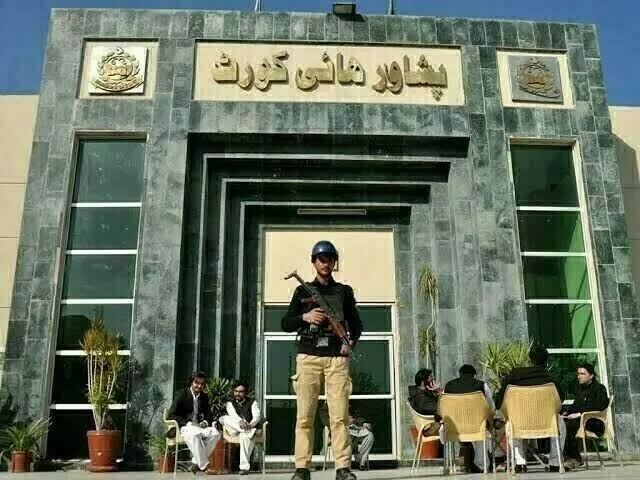
PESHAWAR: The Peshawar High Court has dropped about 105 cases, including challenges to the federal takeover of Khyber Pakhtunkhwa and petitions over the whereabouts of its missing chief minister, after a higher court suspended its powers in the province.
The Peshawar High Court removed the petitions from its hearing list for Tuesday, 10 November. They included challenges to the emergency and governor’s rule imposed on the province on 11 October, and pleas over the alleged illegal detention of Sohail Afridi, the now-dysfunctional chief minister from Imran Khan’s Pakistan Tehreek-e-Insaf (PTI) party. Several other PTI lawmakers, leaders and workers are named in the detention petitions.
The decision came a day after the high court’s administrative committee, acting on a restraining order from the Federal Constitutional Court (FCC), resolved not to proceed with petitions filed under Article 199 of the Constitution on or after 12 October. Fresh petitions are to be returned to those who filed them, who have been told to approach the “appropriate” forum.
In its order on Thursday, a two-member FCC bench said the armed forces had been called to act in aid of civil power across the whole of Khyber Pakhtunkhwa (KP) under the 11 October order. Proceedings before the high court under Article 199 on or after 12 October, it ruled, “shall, in terms of Clause 4 of Article 245, remain suspended”.
The FCC also directed the provincial advocate general, Sanaullah Khan, to produce a report within seven days identifying areas where the armed forces are no longer needed. The deadline falls later this week. The court said it might modify its order after examining the report.
During the hearing, the advocate general argued that the high court had ignored Article 245 by entertaining petitions after troops were deployed. He also said it had rendered the Maintenance of Public Order (MPO) law, which allows preventive detention, redundant, and had granted final relief at the interim stage. The FCC said his points needed serious consideration. Separately, it has barred the high court from hearing cases on preventive detentions under the MPO until further orders.
The order has affected routine matters as well as several high-profile cases. The most significant of the deleted petitions challenged the emergency under Articles 232 and 234. They were brought by PTI chairman Barrister Gohar Ali Khan, leaders of Tehreek Tahafuz-i-Aeen Pakistan and the National Democratic Movement, the KP Bar Council and others. At the last hearing, on 20 October, a two-member bench asked the respondents, including the federal government, for comments within a fortnight.
Also removed were petitions over the alleged illegal detention or abduction of Afridi, KP Assembly Speaker Babar Saleem Swati, PTI provincial president Junaid Akbar, dozens of lawmakers and other party workers.
On 20 October the court had issued notices to the KP chief secretary, home secretary, inspector general of police and the Peshawar Capital City Police Officer. It ordered a detailed report within 10 days on the chief minister’s whereabouts, and on whether he had been arrested or named in any criminal case. The respondents did not file one in time. On 3 November a bench referred the matter to the chief justice, suggesting a larger bench hear it. Mr Gohar welcomed that step, though he said political tension should not be allowed to escalate.
Several petitions against detentions under the MPO Ordinance, also fixed for 10 November, were dropped. So was a petition from KP Assembly Deputy Speaker Suriya Bibi against the sealing of her official residence. The court had granted her interim relief, ordering the residence unsealed and allowing her to stay there. The government did not comply, and on 5 November the court asked why.
Petitions from property owners against anti-encroachment operations, cases on “missing persons” and pleas from Afghan nationals seeking relief from the government’s repatriation drive were also removed from the list.
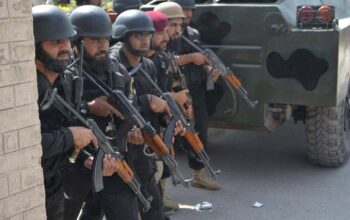
The emergency and governor’s rule were imposed on 11 October by President Asif Ali Zardari, on the advice of Prime Minister Shehbaz Sharif. The government cited rising militant violence and the provincial administration’s alleged failure to cooperate on counterterrorism. Powers passed to Governor Faisal Karim Kundi, ending PTI’s hold on the provincial government. The Interior Ministry issued an order the same day under Article 245 authorising the deployment of troops for the duration of the proclamation.
The National Assembly and Senate endorsed the proclamation on 14 October as opposition members protested, and a joint sitting followed the next day. The government says it has followed the Constitution. PTI says the measures are unconstitutional and that no resolution was obtained from the provincial assembly.
Afridi has not been seen since the proclamation. A federal minister confirmed a day later that he and some cabinet members were in preventive custody. The government has not disclosed where other detained PTI figures are being held.
The Insaf Lawyers Forum (ILF) said no judicial or administrative order should become a means of violating citizens’ fundamental rights. It described the “limiting” of the rights of 45 million people in KP through a court order as a serious blow to the supremacy of the Constitution, judicial independence and the right to justice.
In a statement, ILF central information secretary Masooma Mir said Article 199 gave citizens a constitutional route to the high court, while Articles 9, 10-A and 25 guaranteed the rights to life, fair trial and equality. Protecting them, she said, was the fundamental responsibility of the state and the judiciary, and courts existed to protect those rights, not to restrict access to justice.
Mir urged the Pakistan Bar Council, KP Bar Council, Supreme Court Bar Association and other lawyers’ bodies to take an active role in what she called the current constitutional crisis.
Copyright © 2021 Independent Pakistan | All rights reserved