By Staff Reporter
ISLAMABAD: Pakistan’s largest gas utility has suspended natural gas deliveries to four power plants in Punjab through Aug. 3, citing renewed disruptions in the Strait of Hormuz that have crimped Qatar’s ability to ship liquefied natural gas, threatening to worsen electricity shortages just as a summer heat wave pushes demand to seasonal highs, Dawn newspaper reported on Thursday.
Sui Northern Gas Pipelines Ltd., the Lahore-based utility that supplies gas across northern and central Pakistan, notified the plants that it was invoking force majeure — a contractual provision that suspends a party’s obligations when circumstances beyond its control make performance impossible. The move threatens to curtail output from more than 5,000 megawatts of generation capacity that depends on regasified liquefied natural gas, or RLNG, and could reduce the flow of electricity from Sindh province to load centers in the country’s north, according to government officials familiar with the matter.
SNGPL said it was passing along information it had received from Pakistan State Oil, the state-run trading company that imports LNG on the country’s behalf. PSO told the utility that Qatar Energy, the supplier under Pakistan’s long-term purchase agreements, remains unable to guarantee safe passage for its tankers given the security situation in the Gulf. Although transits through the strait have picked up in recent months, PSO said, safe passage remains intermittent, and Qatar Energy is basing any resumption of shipments on its own assessment of regional risk and its capacity to protect crews and cargo.
Qatar Energy has told PSO it cannot fulfill cargo deliveries scheduled between July 14 and Aug. 3, compounding disruptions to shipments already flagged as affected. The Qatari producer also warned that it will be unable to meet the delivery schedule for all remaining cargoes listed in its Annual Development Plan for 2026, and said it would issue PSO a revised plan for the rest of the contract year once conditions allow.
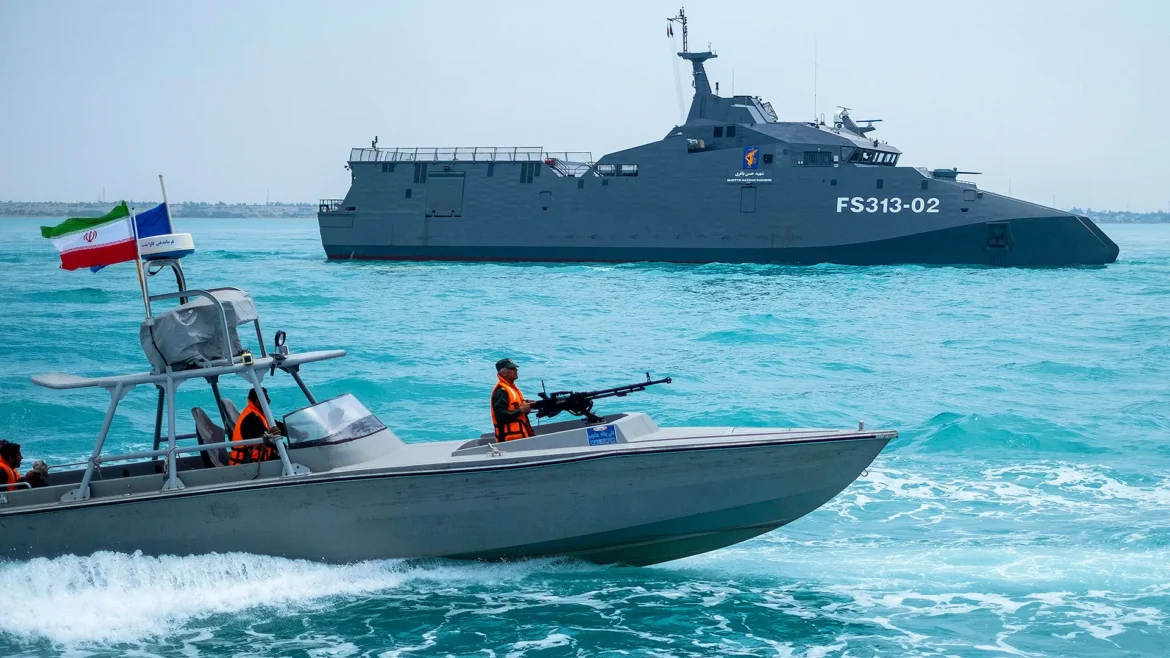
The disruption traces back to the war between the U.S. and Israel on one side and Iran on the other, which began in late February and has repeatedly closed or restricted the Strait of Hormuz, the narrow waterway through which roughly a fifth of the world’s seaborne oil and a fifth of its LNG normally pass. Qatar Energy declared its first force majeure on export contracts in early March, after Iranian missile strikes damaged production trains at its Ras Laffan complex, the world’s largest LNG facility, knocking out about 17% of the country’s export capacity. The producer has since extended that force majeure repeatedly to other customers, including Italy’s Edison SpA, as repairs — which Qatar Energy has said could take up to five years for the two damaged trains — continue alongside the broader security risk in the Gulf.
For SNGPL, the practical effect is a formal suspension of its obligations under a gas supply agreement with the affected plants signed on Oct. 29, 2016. In its notice, the utility invoked Article 13 of that agreement, telling the plants it is “relieved from its performance obligations to the extent and for the duration that such force majeure event or its effects continue.” The company said it is coordinating with PSO to manage the fallout and will update the plants on any further changes to cargo schedules, including deliveries beyond Aug. 3, as the situation develops. SNGPL described the circumstances as “highly uncertain.”
The immediate risk falls on Upper Punjab and Pakistan’s Northern Areas, where officials expect higher loadshedding as RLNG-fired capacity goes underused. Pakistan’s grid operator, the Independent System and Market Operator, may need to run some power plants on diesel to make up the shortfall, according to one official — a far costlier alternative that would ultimately be passed on to consumers through either additional outages or higher fuel-adjustment charges on their electricity bills.
Officials said the government could partially offset the shortfall by rationing gas already held in cargoes that have been imported and are sitting in the system, buying some time before the full impact of the cutoff is felt. But with contracted Qatari volumes unavailable through early August, authorities are likely to lean more heavily on the spot LNG market to plug the gap — a market where prices have in recent months run well above Pakistan’s contracted rate, at levels comparable to the cost of burning furnace oil for power generation.
The disruption adds to a run of supply shocks that have hit Pakistan’s gas sector since the war began, forcing the government to suspend new RLNG connections nationwide earlier this year and prompting a series of emergency measures to stretch domestic gas supplies to power plants. It also comes as Pakistan works through a backlog of gas-sector circular debt that has complicated efforts to pass higher import costs on to consumers.
Copyright © 2021 Independent Pakistan | All rights reserved