By Staff Reporter
ISLAMABAD: A prominent human rights lawyer has requested the preservation of courtroom CCTV footage following a tense confrontation with the chief justice of the Islamabad High Court, an episode that has drawn sharp rebukes from legal and women’s rights groups and exposed fault lines over judicial conduct and gender dynamics in Pakistan’s judiciary.
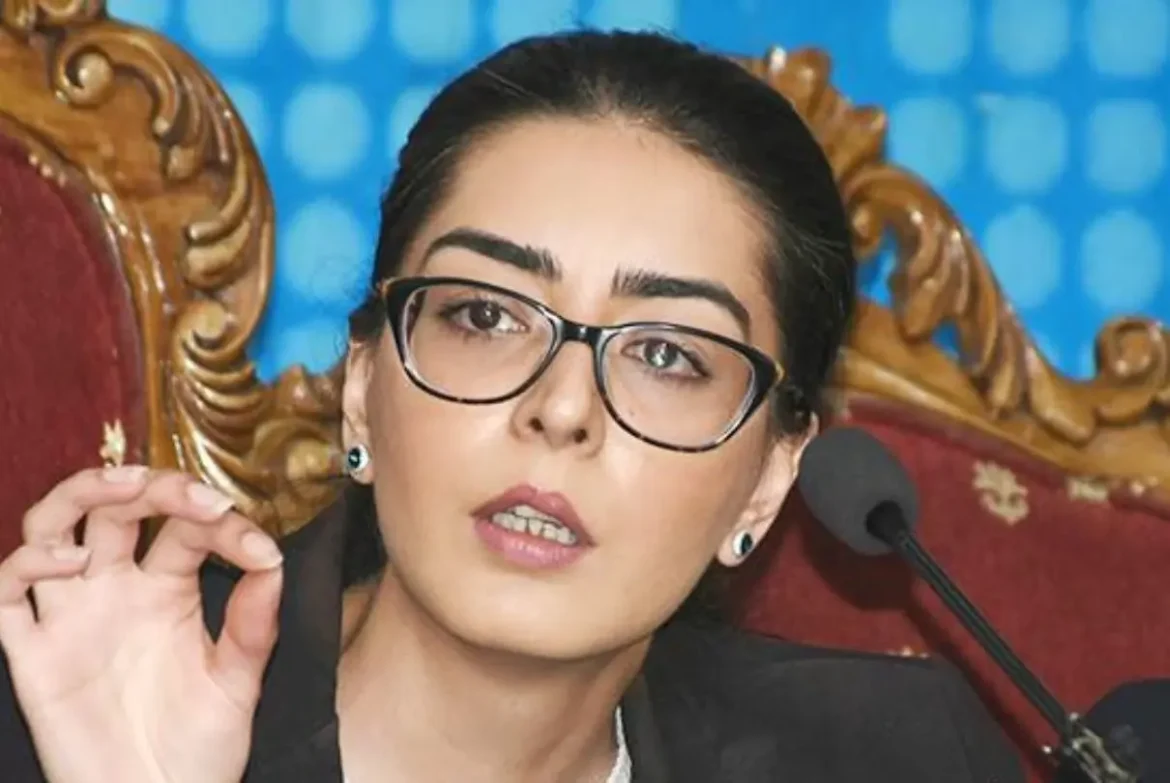
Imaan Zainab Mazari-Hazir, a noted rights activist and attorney, submitted an application to the Islamabad High Court’s registrar on Saturday, seeking to secure footage from a September 11 hearing in Chief Justice Sardar Muhammad Sarfraz Dogar’s courtroom. The request, which Mazari posted on X, stems from what she called an “unfortunate incident” during a case in which she represented a client seeking to remove Baloch rights activist Mahrang Baloch from Pakistan’s Exit Control List, a government mechanism barring individuals from leaving the country.
“I write to you today to seek [the] preservation of CCTV footage of the Honourable Chief Justice’s courtroom no.1 from September 11, 2025 between 9am and 11am, as an unfortunate incident took place with the undersigned counsel, as a result of which it is imperative that the exchange recorded on the CCTV footage is preserved,” Mazari wrote. She also requested a copy of the footage, offering to provide a USB drive for the transfer.
During Thursday’s hearing, Justice Dogar reportedly warned Mazari of contempt of court proceedings and issued remarks interpreted by some as threatening, including references to “getting hold of her,” according to attendees. Mazari countered that she was merely fulfilling her professional duties and was prepared to face contempt charges if necessary.
The exchange took a contentious turn on Friday when Justice Dogar, addressing another case, sought to clarify his remarks, denying any threatening language and claiming his words were misconstrued. Mazari’s husband, Hadi Ali Chattha, who was present at the hearing, disputed the judge’s account.
Dogar further described Mazari as “like a daughter” and said he was trying to guide her. “I was explaining to her just as (I would) to a child, but she was not understanding. She was repeatedly mentioning fundamental rights. Does this court not have any fundamental rights,” he said.
Far from quelling the controversy, the chief justice’s comments fueled outrage. Mazari called them “sexist,” arguing they undermined her professional standing and reflected entrenched gender biases. Her criticism resonated widely, prompting a cascade of condemnations from Pakistan’s legal and activist communities.
The Lahore High Court Bar Association issued a blistering statement, calling lawyers “officer[s] of the court” whose dignity must be upheld alongside that of judges. It urged the Supreme Judicial Council, which oversees judicial misconduct, to remove Dogar from his post. The Balochistan Bar Council echoed the call, while the Karachi Bar Association decried Dogar’s “highly inappropriate conduct” in a formal resolution.
Women’s rights groups also weighed in. The Women’s Action Forum condemned the judge’s “highly objectionable patriarchal misogynist anti-women remarks and behaviour” and criticized the “patronising language” directed at Mazari and her husband.
Copyright © 2021 Independent Pakistan | All rights reserved