By Staff Reporter
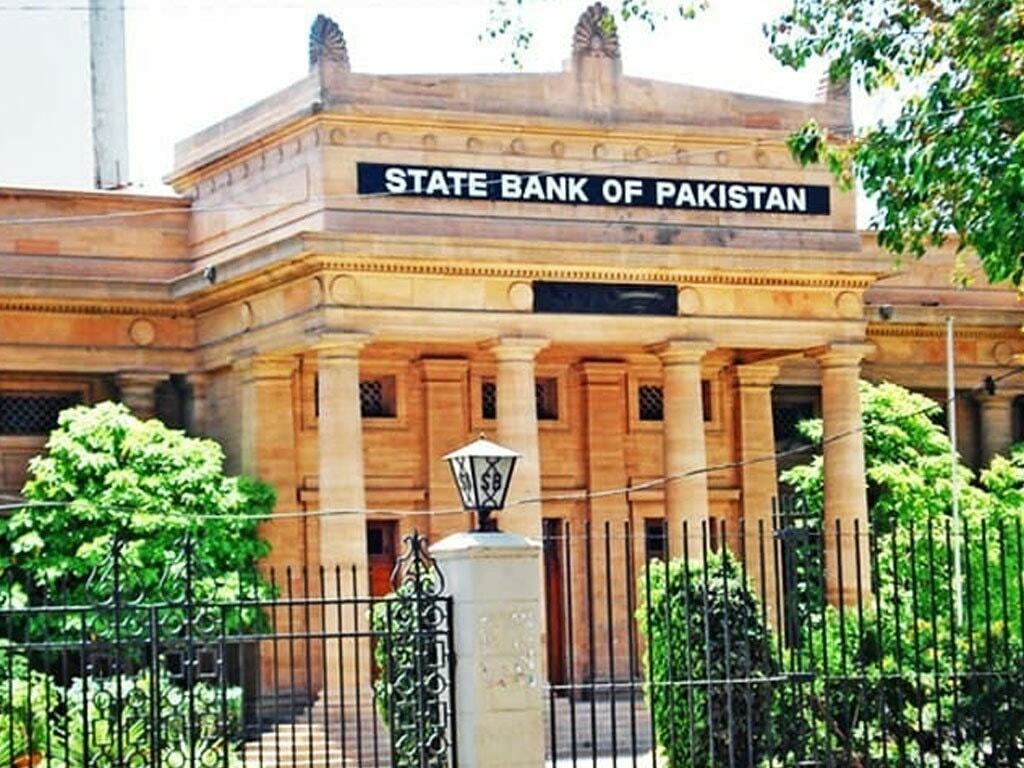
KARACHI: The central bank kept its benchmark interest rate unchanged at 11% for a third consecutive meeting, opting for caution as floods ravage the nation’s agricultural heartland and threaten to stoke food inflation just as the economy shows signs of stabilization.
The State Bank of Pakistan’s Monetary Policy Committee warned of a “temporary yet significant flood-induced supply shock, particularly to the crop sector,” that could drive headline inflation and the current account deficit above earlier forecasts in fiscal year 2026. Inflation now risks breaching the 5-7% target band for much of the year before easing in fiscal 2027. Real gross domestic product growth was notched down to the bottom of the prior 3.25-4.25% range.
“The Monetary Policy Committee decided to keep the policy rate unchanged at 11 percent in its meeting held on September 15, 2025,” the SBP said in a statement.
Heavy rains since late August have flooded thousands of acres in Punjab province, Pakistan’s breadbasket, destroying crops and livestock. The deluge is shifting toward Sindh, with economists flagging potential supply-chain bottlenecks that could lift food and overall prices. Weekly sensitive price index readings already show steep climbs in perishables, wheat and allied goods.
The move balances recent progress against fresh headwinds. After 1,100 basis points of cuts from a 22% peak between June 2024 and May 2025, the bank has paused as inflation dipped to 4.1% year-on-year in July and 3% in August. Those figures reflected swings in food and energy, with core inflation cooling more gradually.
“Inflation remained relatively moderate in both July and August, whereas core inflation continued to decline at a slower pace,” the MPC said. High-frequency indicators like large-scale manufacturing showed economic momentum building, though “the near-term macroeconomic outlook has deteriorated slightly in the wake of the ongoing floods.”
The economy is better equipped than in past flood crises, the bank said, with $14.3 billion in foreign-exchange reserves set to hit $15.5 billion by December. Fiscal buffers, built through tight policy over two years, provide a backstop. Reserves stayed steady since the prior meeting despite debt repayments and a current account gap. Tax receipts from the Federal Board of Revenue undershot July-August targets but surged year-on-year. Eased US import-tariff revisions trimmed global trade risks, even as September surveys by the SBP and Institute of Business Administration detected rising consumer and business inflation expectations.
“In view of the evolving macroeconomic outlook and the flood-related uncertainty, the MPC deemed today’s decision as appropriate to maintain price stability,” the committee said. The real policy rate remains “adequately positive” to steer inflation back to target, allowing for short-term volatility.
Analysts endorsed the restraint. “As per market consensus, the SBP is staying cautious amid rising inflation due to flood affected surge in food prices,” said Muhammad Saad Ali, head of research at Lucky Investments Ltd. A 50-100 basis-point cut could come by year-end, he added.
Amreen Soorani, head of research at Al Meezan Investment Management, pointed to limited easing room. Persistent inflation has held the real rate at 2.5%, she said, with “the rising risks of impact from floods on food prices … on the cards as well.”
Business groups voiced frustration, pressing for cuts to boost activity. Flood losses, pegged in the billions of rupees from crop and land damage, have spiked prices for rice and vegetables. Views on supply impacts vary: Some report cargo delays across provinces and harvest shortfalls; others say food, fuel and medicine flows are intact.
Still, the MPC forecast muted fallout. “Given the low inflation environment, moderately growing domestic demand and relatively benign global commodity price outlook, the excessive inflationary and external account pressures witnessed after the previous floods are projected to remain in check this time,” it said. Sustained buffer-building is key “to make the economy more resilient to shocks and ensure higher growth on a sustainable basis.”
Copyright © 2021 Independent Pakistan | All rights reserved