By Staff Reporter
ISLAMABAD: Pakistan’s inflation slowed to 10.3% in September from 11.1% in August, but a sharp rise in electricity and fuel charges kept price pressures elevated, leaving the central bank weighing whether to tighten policy rate again.
Consumer prices rose 1.3% from the previous month, up from a 1.2% gain in August, the Pakistan Bureau of Statistics said in data released on Thursday. A year earlier, the annual rate was 5.8%. Inflation has been above 10% in five of the past six months, with a peak of 11.7% in May. The July-September average was 10.2%, compared with 4.3% in the same quarter last year.
The reading fell within the range expected by brokerages and the finance ministry. The ministry had projected headline inflation of 10% to 11% for the month. Topline Securities had forecast 10.25% to 10.3% on the year and 1.3% on the month.
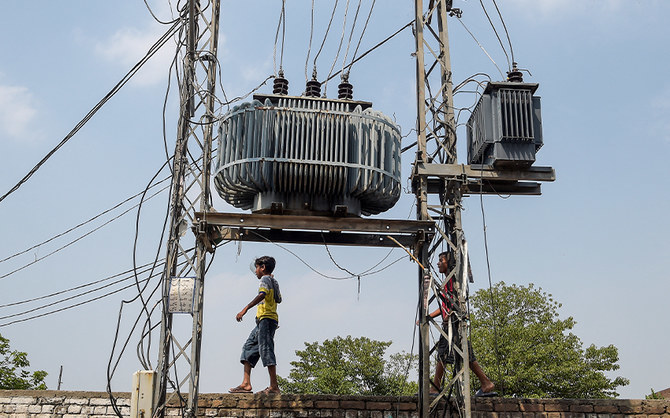
Housing and utilities, which carry a weight of 23.6% in the index and include electricity and gas, rose 3.05% on the month. Transport climbed 5.75%. Together, the two groups accounted for 1.07 percentage points of the 1.27% monthly increase. Electricity charges rose 15.3% from August, and motor fuel rose 10.8% in urban areas and 11.1% in rural areas. Liquefied hydrocarbons, a category that includes LPG, rose 5.4% in cities and 7.6% in the countryside.
Compared with a year ago, electricity charges are up 32.5%, motor fuel is up 37.7% in urban areas, and LPG is up 57.1%. Motor vehicle tax is 38.7% higher.
Food, which makes up 34.6% of the basket, added just 0.19% on the month. The headline number hid large swings underneath. Onions jumped 29% in urban markets and 39% in rural ones, and are more than double their level of a year ago. Wheat rose 3.9% and wheat flour 2.3% in cities, and flour is 31.7% more expensive than in September 2025. Falling prices for tomatoes (down 24.7%), chicken (8.1%), eggs (5.9%) and potatoes (4.2%) offset those increases.
Urban inflation eased to 10.1% from 10.4%. Rural inflation slowed more, to 10.5% from 12.2%. Even so, housing and utilities costs in rural areas are 18.9% higher than a year ago, compared with 9.8% in cities.
Core measures were mixed. Non-food, non-energy inflation slowed to 8.6% in urban areas and 8.1% in rural areas. The 20% trimmed mean, which strips out the largest price swings, accelerated to 9.4% in both, from 8.9% and 9.1% in August.
Wholesale prices moved the other way. The wholesale price index rose 13.3% from a year earlier, up from 11.8% in August, and gained 1.9% on the month. Wholesale motor spirit rose 12.4% in September, electrical energy 11.4%, kerosene 7.8% and diesel 7.4%. Diesel is up 61.5% on the year and kerosene 78.9%. The “other transportable goods” group accounted for 8.24 points of the 13.33% annual increase.
The Sensitive Price Indicator for the lowest-income quintile rose 8.4% from a year earlier, slower than August’s 9.5%. The combined index was up 9.88%. Weekly inflation accelerated 0.99% in the week ended Sept. 24, the biggest weekly jump in at least ten weeks, to 11.92% on the year. Electricity charges for the first quarter rose 18.76% in that week alone.
The data arrive as the State Bank of Pakistan holds its benchmark rate at 11.5%. The Monetary Policy Committee left rates unchanged on Sept. 14, with seven of its ten members backing the decision, after raising them by 100 basis points in April, its first increase in nearly three years. With inflation at 10.3%, the real policy rate is roughly 1.2 percentage points. Topline Securities has put it below the historical average of 200 to 300 basis points.
The committee said it expects inflation to ease toward the upper end of its 5%-7% target range by June 2027, but that risks to that outlook have “increased significantly.” It named volatile global commodity prices, the size of electricity and gas tariff adjustments, supply disruptions and food prices under worsening El Niño conditions as the main risks. Topline has said a 50 to 100 basis-point increase could be warranted in October or December if oil and food prices stay sticky, and JS Global has said a third of respondents in its survey expect a hike by December.
Oil is the main external variable. Pakistan imports about 70% of its oil and gas requirements, which makes its inflation highly sensitive to crude. Brent was trading near $104.5 a barrel on Sept. 25, after Iran called on the US to return to an interim peace deal and proposed reopening the Strait of Hormuz within seven days. President Donald Trump then said he had rejected Iran’s proposal, and analysts expect crude to hover around $100 if the war resumes.
Pump prices have followed. Pakistan now adjusts them daily. Petrol rose from 342.79 rupees a litre at the start of September to 387.54 rupees by Sept. 30, and high-speed diesel stood at 402.24 rupees for Sept. 30. The government has cut petrol and diesel prices on consecutive days this week.
Islamabad has so far leaned on targeted aid instead of fuel-tax cuts. The finance ministry says the Prime Minister’s Fuel Relief Scheme directs support to lower-income households through a digital system without reducing the petroleum levy. About 5.8 million people have registered for the program.
The external position offers some cushion. The central bank’s foreign-exchange reserves have climbed above $21 billion, helped by a $3 billion Eurobond sale and a sovereign rating upgrade by Moody’s to B3. Reserves can soften the cost of imported oil but would not stop inflation from rising if the conflict continues and energy prices stay high.
Copyright © 2021 Independent Pakistan | All rights reserved