By Staff Reporter
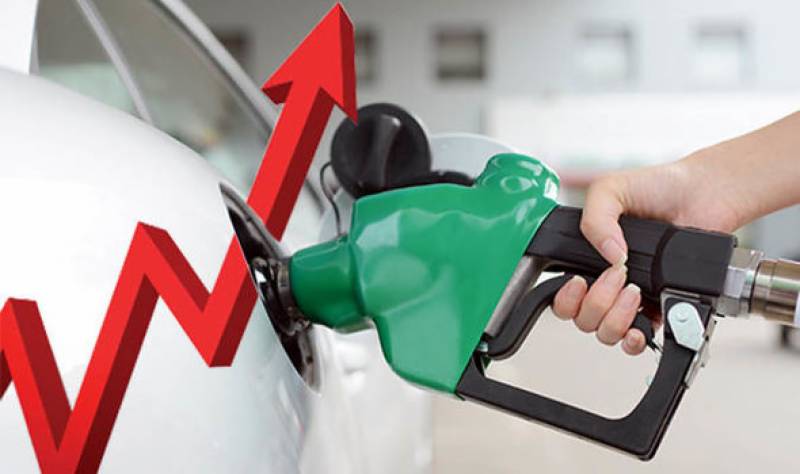
ISLAMABAD: Pakistan increased petrol prices by 2% and high-speed diesel (HSD) by 4.2% on Tuesday, marking the second hike in under a month, as global oil market swings pressure the cash-strapped nation.
Petrol now costs Rs272.15 per liter, up Rs5.36, while HSD rises Rs11.37 to Rs284.35 per liter, piling more pain on consumers already battling the high cost of living and a weakening rupee.
The new rates, effective for the next fortnight, were based on recommendations from the Oil and Gas Regulatory Authority (Ogra) and concerned ministries, a government statement said, without elaborating on the specific drivers.
The release also made no mention of changes to kerosene or light diesel oil prices, leaving those rates steady. This marks the second fuel price hike in less than a month, following a June 30 increase that saw petrol climb by Rs8.36 per liter and HSD by Rs10.39 per liter.
That adjustment was pinned on volatility in international crude oil prices, a factor likely at play again, though not explicitly cited this time.
The government also tweaked the Inland Freight Equalization Margin (IFEM), which covers domestic transportation costs. For petrol, the IFEM rose to Rs8.89 per liter from Rs6.96, while for HSD, it jumped to Rs6.04 per liter from Rs2.09. These changes amplify the price increases felt at the pump.
Meanwhile, the petroleum levy, a major revenue tool, remains untouched. It stands at Rs75.52 per liter for petrol and Rs74.51 per liter for HSD. Even with zero general sales tax (GST) on petroleum products, the government is pulling in nearly Rs98 per liter in total levies on both fuels.
This includes a petroleum development levy (PDL) of Rs78.02 per liter on petrol and Rs77.01 per liter on diesel and high-octane blending component (HOBC), plus a Rs2.25 per liter climate support levy (CSL). A customs duty of Rs20-21 per liter applies to both imported and locally refined fuels.
Oil marketing companies and dealers, for their part, are pocketing roughly Rs17 per liter in combined distribution and retail margins.
The price hikes hit hard across Pakistan’s economy. Petrol, a lifeline for motorcycles, rickshaws, and private cars, directly squeezes the budgets of middle- and lower-income households. Diesel, powering heavy transport, agricultural equipment, and trains, is a key inflationary trigger, pushing up the cost of food and essentials. Transporters, sensing the increase, had already started raising fares in recent days.
Fuel demand remains robust, with monthly petrol and diesel sales ranging from 700,000 to 800,000 tonnes, dwarfing kerosene’s 10,000 tonnes. That makes these two fuels the backbone of Pakistan’s consumption and a critical lever for government revenue.
In fiscal year 2024, the petroleum levy brought in Rs1.161 trillion. For FY25, the government is targeting a 27% jump to Rs1.470 trillion, leaning heavily on fuel levies despite the GST exemption. Petroleum products, in short, remain a cash cow for Islamabad.
Global crude oil prices, prone to sharp swings, continue to shape Pakistan’s fuel costs. As a net importer, the country has little buffer against these fluctuations, forcing regular price adjustments that test public tolerance. The latest hike comes as Pakistan navigates a fragile economic recovery, with high cost of living, a weakening rupee, and slow growth already weighing on households and businesses.
The government faces a tough balancing act. Aligning domestic fuel prices with international markets keeps fiscal hawks at the International Monetary Fund (IMF), a key lender, satisfied, but it risks stoking general unrest. For now, consumers and industries have no choice but to absorb the higher costs, with global oil markets showing few signs of stabilising.
Copyright © 2021 Independent Pakistan | All rights reserved