By Staff Reporter
ISLAMABAD: Torrential monsoon rains have claimed at least 202 lives, including 96 children, across Pakistan since late June, the National Disaster Management Authority (NDMA) reported on Saturday.
The relentless downpours have pummeled the nation, with Punjab province suffering the heaviest toll at 123 deaths, followed by Khyber Pakhtunkhwa with 40, Sindh with 21, Balochistan with 16, and one each in Islamabad and Azad Jammu and Kashmir.
The fatalities stem from a grim array of causes. 118 people died in house collapses, 30 were swept away by flash floods, and others fell victim to drowning, lightning strikes, electrocution, and landslides. More than 560 individuals, including 182 children, have been injured.
Pakistan’s annual monsoon season, which delivers 70 to 80 percent of the region’s rainfall between late June and September, is a lifeline for agriculture and millions of farmers. Yet, as weather patterns grow increasingly erratic and extreme, these rains have morphed into a deadly force, exposing the fragility of the country’s infrastructure and the precariousness of its poorest communities.
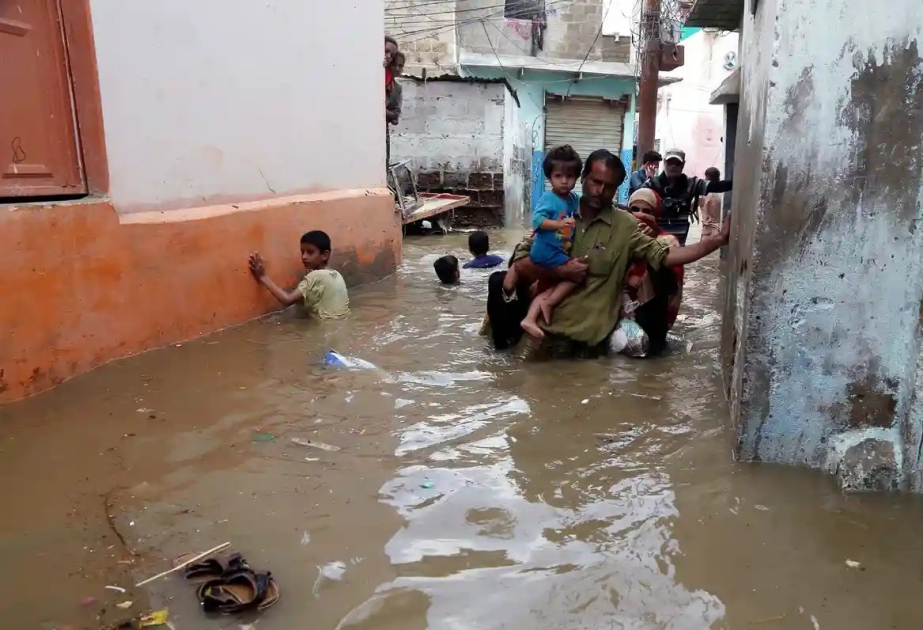
In Rawalpindi, flash floods inundated homes, streets, and markets, swallowing neighborhoods like Dhamial, Hathi Chowk, and Morgah. In Tench Bhata and Fauji Colony, water surged to rooftops, forcing residents to abandon their belongings and flee. Among the casualties was eight-year-old Hasan Ali
Faisalabad, another Punjab city, reeled from the deluge. Over two days, 33 rain-related incidents left 11 dead and 60 injured, mostly due to the collapse of weakened structures. Many affected families, trapped in poverty, said they lacked the means to reinforce their homes before the rains hit.
Rural Punjab has not been spared. In Chakwal, more than 450 millimeters of rain washed away at least 32 roads, severing communication links and leaving villages like Khewal isolated. There, house collapses claimed multiple lives, including a father and son crushed beneath their home. Power outages persist across the region, plunging communities into darkness as they grapple with the aftermath.
In Minawali district, rescue teams saved four individuals with special needs stranded in floodwaters and evacuated 18 others from the Kacha Rokhri area, according to the ruling Pakistan Muslim League-Nawaz party. Heavy machinery rumbles across Jhelum, Pind Dadan Khan, Kallar Kahar, and beyond, clearing blocked roads on the chief minister’s orders. In Rawalpindi’s Karoli Dhoke Bridge area, workers patched a rain-damaged road to restore traffic flow, though many routes remain impassable.
“Immediate cleaning of landslide-affected roads in different areas of Chakwal has started,” the party announced on X. “Administration, rescue, and heavy machinery are present on the spot.” Deputy commissioners have been directed to oversee drainage efforts firsthand, a task made urgent by the nearly 700 homes damaged nationwide, per disaster management tallies. Local administrations are distributing rations, blankets, and tents, but the aid often falls short for families who have lost everything.
Though the rains eased in some areas this week, the NDMA cautioned that relief may be fleeting. “Scattered thunderstorm/rain with isolated heavy falls is expected over Sindh, East Balochistan, and South Punjab,” the agency warned in its outlook for Saturday and Sunday. The forecast signals more hardship for regions already reeling from flooded homes and broken roads. This year’s toll evokes memories of 2022, when record monsoon rains and glacial melt submerged a third of Pakistan, killing over 1,700 people and displacing 8 million.
Copyright © 2021 Independent Pakistan | All rights reserved