By Staff Reporter
KARACHI: The Sindh Chamber of Agriculture (SCA) will challenge a 45% agricultural income tax in court, branding it “unconstitutional” and “unethical,” while calling on farmers to boycott wheat planting for the 2025-26 season, Dawn newspaper reported on Wednesday.
At a meeting held Tuesday under the leadership of patron-in-chief Dr. Syed Nadeem Qamar, the chamber also called on farmers across Sindh to boycott wheat cultivation for the 2025-26 season, escalating tensions over government policies in Pakistan’s vital agricultural sector.
The SCA rejected the tax outright, claiming it stems from International Monetary Fund (IMF) directives, a point that highlights the friction between Pakistan’s economic reforms and local stakeholders. Farmers at the meeting argued that the levy is unjustifiable given the low prices they receive for their crops. “We are ready to face imprisonment, but will not pay the agricultural income tax,” said farmers’ leaders.
The chamber urged its members not to pay the tax and warned that any government move to arrest non-compliant farmers would trigger a broader protest. “If they arrest us for this disobedience, millions of other farmers will also court arrest,” the SCA stated. It also demanded exemptions akin to those granted to industrialists, pointing to what it sees as unequal treatment across sectors.
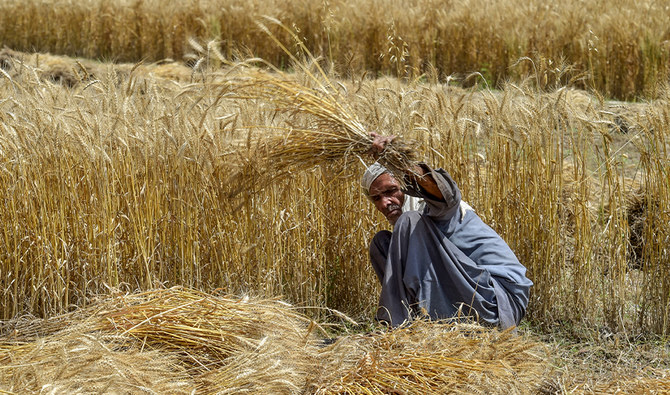
The call to boycott wheat cultivation, a cornerstone of Pakistan’s food supply, stems from frustration over inadequate support prices. Farmers said current wheat rates fail to cover production costs, prompting the SCA to designate this season a “boycott year.” Instead, they plan to shift to alternative crops like mustard, nigella (kalonji), sunflower, and other oilseeds. The move could ripple through the economy, potentially tightening wheat supplies in a country where the grain is a dietary staple.
The SCA also sounded the alarm over a 40% drop in cotton production, projecting yields won’t exceed four million bales this year. Farmers are fetching just Rs6,500 per maund for cotton, well below the Rs11,000 per maund pledged by the Sindh agriculture minister. To bolster local growers, the chamber demanded the removal of an 18% tax on domestic cotton and a 25% levy on imported cotton to curb foreign competition.
Surging agricultural input costs further stoked the chamber’s ire. Diesel prices have climbed Rs22 per liter and DAP fertilizer by Rs600 per bag in the past 15 days alone, according to the SCA. “Skyrocketing prices of essential agricultural inputs are crippling farmers, especially since they were not receiving fair prices for their produce,” the chamber said, warning of a “deliberate destruction” of the sector. It called for an immediate rollback of increases in diesel, fertilizers, seeds, pesticides, and other inputs.
The SCA pressed farmers to register for the Benazir Hari Card, a government initiative, and demanded that a Rs10,000 per acre subsidy, currently offered for sunflower and canola, be extended to mustard and rapeseed crops. The move reflects a broader plea for state intervention to offset mounting financial pressures.
The SCA’s defiance comes as Pakistan navigates economic challenges tied to IMF-backed reforms, with agriculture, a backbone of the nation’s economy, caught in the crosshairs. A successful wheat boycott could strain food security, while the legal battle over the tax may shape future fiscal policies.
Copyright © 2021 Independent Pakistan | All rights reserved