By Staff Reporter
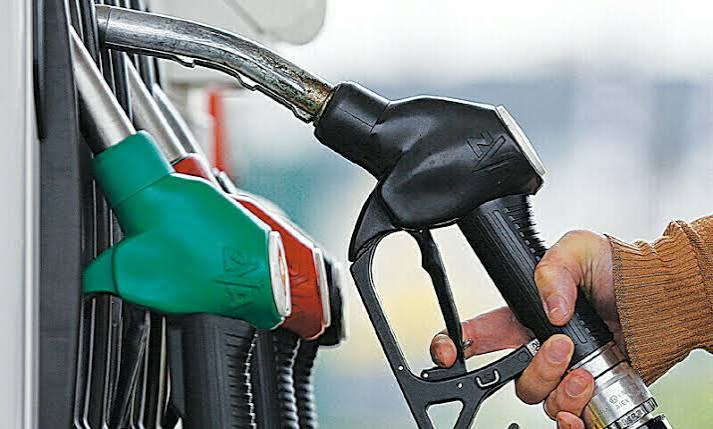
ISLAMABAD: Pakistan increased the price of high-speed diesel by 2.24 rupees a liter while cutting petrol by 75 paisa, the latest in a string of daily adjustments the government adopted this month to keep pump prices in step with a volatile global oil market.
The revision, announced on Wednesday by the Petroleum Division and taking effect Thursday, will push diesel to 390.62 rupees a liter from 388.38 rupees. Petrol will fall to 335.06 rupees a liter from 335.81 rupees. The Oil and Gas Regulatory Authority calculated the new ex-depot rates using a seven-day rolling average of international prices, a method Petroleum Minister Ali Pervaiz Malik has said is designed to bring Pakistan’s pricing framework closer to global norms.
The diesel increase extends a climb that has pushed the fuel toward levels last seen in the immediate aftermath of the Israel-US strikes on Iran in late February, though it remains well below the peak of 520.35 rupees a liter reached April 3. Petrol, which touched a high of 458.41 rupees the same day, has pulled back further from its own spike.
Both fuels began this year’s surge from far lower levels — diesel near 281 rupees and petrol near 266 rupees — before the conflict cut into supply expectations and rattled the Strait of Hormuz, the passage that had carried roughly a fifth of the world’s energy trade before hostilities began.
Islamabad’s decision to move to daily pricing, taken by the cabinet and prime minister earlier this month, replaced a weekly system that itself had only recently supplanted the fortnightly reviews Pakistan relied on for years. A truce between Tehran and Washington reached in June proved short-lived, and its collapse revived concern over a broader regional war and renewed disruption to the Strait, prompting officials to argue that daily adjustments would transmit both price increases and relief to consumers faster than the previous mechanisms allowed.
The shift has not gone unchallenged. The All Pakistan Dealers Association has rejected the daily framework and said it was weighing protest action this week, adding a point of friction to a rollout that has already produced sharp swings — diesel alone has risen by more than 55 rupees a liter in the week through Monday, according to Petroleum Division data, even as some individual sessions, including Wednesday’s, have brought petrol relief.
The two fuels dominate Pakistan’s petroleum market and carry distinct economic weight. Diesel powers the heavy trucking fleet, agricultural machinery, power plants and backup generators that much of the country’s logistics and electricity supply depend on, making its price a proxy for broader input costs across the economy. Petrol, used mainly in private cars, motorcycles and rickshaws, weighs more directly on middle- and lower-middle-income households’ daily commuting budgets. Combined monthly sales of the two products run to roughly 700,000 to 800,000 tons, dwarfing the 10,000 tons of kerosene Pakistan consumes over the same period and underscoring why even small ex-depot changes ripple quickly through transport fares and consumer prices nationwide.
Copyright © 2021 Independent Pakistan | All rights reserved