By Staff Reporter
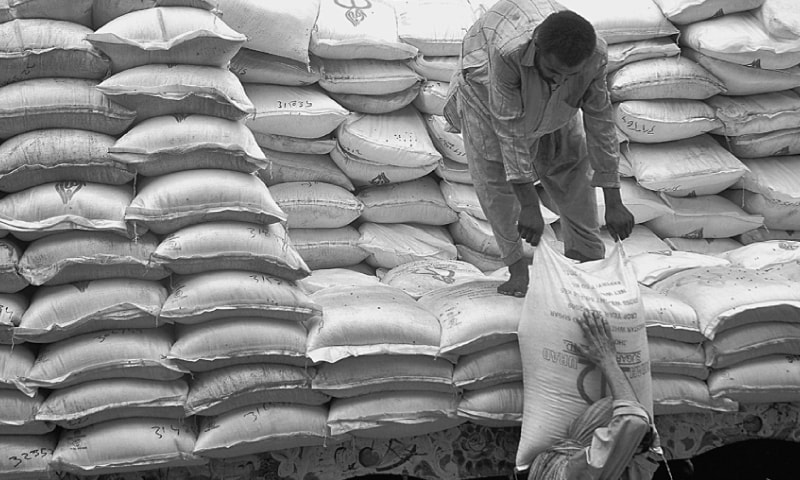
ISLAMABAD: The government has launched a nationwide crackdown on sugar hoarding and profiteering as retail prices of the commodity have soared to unprecedented levels, sparking widespread public outcry and intensifying criticism from opposition parties.
Food Security Minister Rana Tanveer Hussain announced the measures on Wednesday during a meeting with industry stakeholders, signaling Islamabad’s determination to stabilize the sugar market amid mounting economic pressure.
Market analysts report that retail sugar prices in several parts of Pakistan have climbed sharply since January, hitting Rs200 per kilogram. In a country where sugar is a staple commodity, such steep increases have historically triggered public unrest and provided fodder for political opposition. Allegations of hoarding and cartelization often gain traction during election years or periods of economic turbulence, amplifying the stakes for the government.
The price surge has placed additional strain on Pakistani households already grappling with high cost of living and a volatile economy. For context, sugar prices hovered around Rs100 per kilogram in early 2023, making the current levels a near doubling in little over a year.
On Wednesday, Hussain chaired a meeting with representatives of the Pakistan Sugar Mills Association (PSMA) and key stakeholders from all provinces, according to a press release from the National Food Security Ministry. The gathering was convened to assess the sugar market’s current state, review pricing trends, and scrutinize supply chain dynamics.
“During the meeting, the Federal Minister expressed serious concern over the artificial hike in sugar prices and warned of strict action against all those who are involved in hoarding and market manipulation,” the ministry’s statement said. Hussain underscored that a nationwide crackdown was already underway targeting those disrupting the sugar supply chain.
The minister pointed to early signs of success, noting that “due to the government’s decisive actions,” sugar prices have begun to ease, dropping to Rs175–180 per kilogram in various markets. That decline, while modest, offers a glimmer of relief to consumers and a signal that the government’s measures are starting to bite.
Hussain issued a stern warning to sugar mills holding back stocks, declaring, “We will not tolerate hoarding.” He directed provincial governments to ensure the timely lifting of sugar from mills and to streamline its transportation to markets, aiming to dismantle bottlenecks in the supply chain.
The minister also singled out the “exploitative role” of certain middlemen and market intermediaries, accusing them of capitalizing on the market’s volatility. “The federal and provincial authorities are now actively pursuing legal and administrative actions against such elements to curb unjust profiteering,” the ministry said, hinting at a broader offensive against speculative practices.
Hussain later chaired a high-level meeting of the Steering Committee on Sugar Imports, where officials ironed out technical, procedural, and operational challenges tied to the importation process. The ministry said all hurdles had been resolved, paving the way for swift execution of the plan.
To ease shortages, Pakistan planned sugar import. No trading companies submitted price offers for international tender to purchase 50,000 metric tons of sugar, which closed on Tuesday.
The flop marks a setback for the government’s efforts to stabilise soaring domestic sugar prices amid a deepening supply crisis.
The state-run Trading Corporation of Pakistan (TCP) had sought loading of the sugar between August 1 and August 15, with arrival required by August 30—a timeline traders described as too tight to attract realistic bids. The tender, originally launched on July 11 for 300,000 metric tons with a deadline of July 18, 2025, was drastically cut to 50,000 metric tons in a corrigendum issued a day later, extending the bid deadline to July 22, 2025.
The sharp reduction, slashing the import volume by more than 80%, followed reported concerns from the International Monetary Fund (IMF) over tax exemptions on sugar imports, which the fund views as a threat to Pakistan’s $7 billion loan program. The IMF rejected Pakistan’s claim that tax-free imports were justified by a food emergency, sources familiar with the matter said, though no official statement from the fund has been released.
Pakistan’s finance ministry also objected, telling the Prime Minister’s Office that the cabinet approved the import plan without its input. The ministry warned that waiving duties and taxes on sugar imports breached commitments to the IMF, including a pledge against new tax exemptions or preferential treatments. “These breaches could detract from the IMF programme,” the ministry cautioned, according to people briefed on the matter.
The failed tender underscores the mounting challenges Pakistan faces as it grapples with a sugar crisis that has driven retail prices up 36% since January. Domestic production fell 14% this year to 5.9 million metric tons, hit by adverse weather and lower cane yields, while exports skyrocketed 2,200% in the last fiscal year. Between July and May, Pakistan shipped out 765,734 metric tons of sugar, raking in Rs114 billion in revenue but draining local stocks.
Critics contend that last year’s export approvals favored millers’ profits, bolstered by the Rs114 billion windfall, over consumer affordability, a policy the government once defended by pointing to ample supplies.
In response to escalating prices, the government on July 8 approved importing 500,000 metric tons of sugar. To ease the process, the Federal Board of Revenue (FBR) scrapped customs duties, slashed the sales tax rate from 18% to 0.25%, and cut withholding tax to 0.25% for imports by the TCP or private sector. The import price is pegged at about Rs245 per kilogram, though final costs hinge on successful bids.
A day before revising the tender, the government raised the ex-mill sugar price to Rs165 per kilogram, up Rs25 from last June’s rate, aiming “to ensure affordability”.
Copyright © 2021 Independent Pakistan | All rights reserved