By Staff Reporter
ISLAMABAD: Pakistan’s long-running battle to eradicate polio suffered a blow on Saturday as health officials confirmed three new cases of the crippling disease, bringing the total number of infections this year to 17.
The resurgence of the virus, which remains endemic only in Pakistan and neighboring Afghanistan, highlights the persistent hurdles the country faces despite decades of international and domestic efforts.
The National Institutes of Health (NIH) in Islamabad reported the latest cases, identified by its Regional Reference Laboratory for Polio Eradication. They include a 15-month-old girl from Takhtikhel in Lakki Marwat district and a six-month-old girl from Mir Ali tehsil in North Waziristan, both in Khyber Pakhtunkhwa province, as well as a five-year-old boy from Chajro in Umerkot district, Sindh province.
“Despite substantial progress in polio eradication efforts, the continued detection of polio cases underscores the persistent risk to children, especially in areas where vaccine acceptance remains low,” the Pakistan Polio Eradication Programme (PPEP) said in a statement. “It is crucial for communities to understand that poliovirus can resurface wherever immunity gaps exist. Every unvaccinated child is at risk and can also pose a risk to others.”
This year’s 17 cases, 10 from Khyber Pakhtunkhwa, five from Sindh, and one each from Punjab and Gilgit-Baltistan, mark a sharp increase from recent years. Pakistan had reduced infections to a single case in 2021 and six in 2023, a significant drop from an estimated 20,000 annual cases in the early 1990s. But the tally surged to 74 in 2024, raising concerns among health officials and global partners.
Polio, a highly infectious viral disease, primarily strikes children under five and can cause irreversible paralysis. There is no cure, but it can be prevented with multiple doses of the oral polio vaccine (OPV) and a complete routine immunization schedule. Health experts stress that repeated vaccination is critical to closing immunity gaps.
Pakistan’s northwestern Khyber Pakhtunkhwa province, a hotspot for militancy and vaccine resistance, has borne the brunt of this year’s outbreak, accounting for more than half the cases. The province’s rugged border with Afghanistan complicates efforts, as the virus circulates freely across the porous frontier.
In response, authorities launched a special vaccination campaign from July 21 to 27 in the border areas of Khyber Pakhtunkhwa and Balochistan, aligning it with Afghanistan’s sub-national polio drive. A separate fractional campaign, combining inactivated polio vaccine (IPV) and OPV, began in Balochistan’s Chaman district on July 21 and is set to expand to six more districts starting July 28.
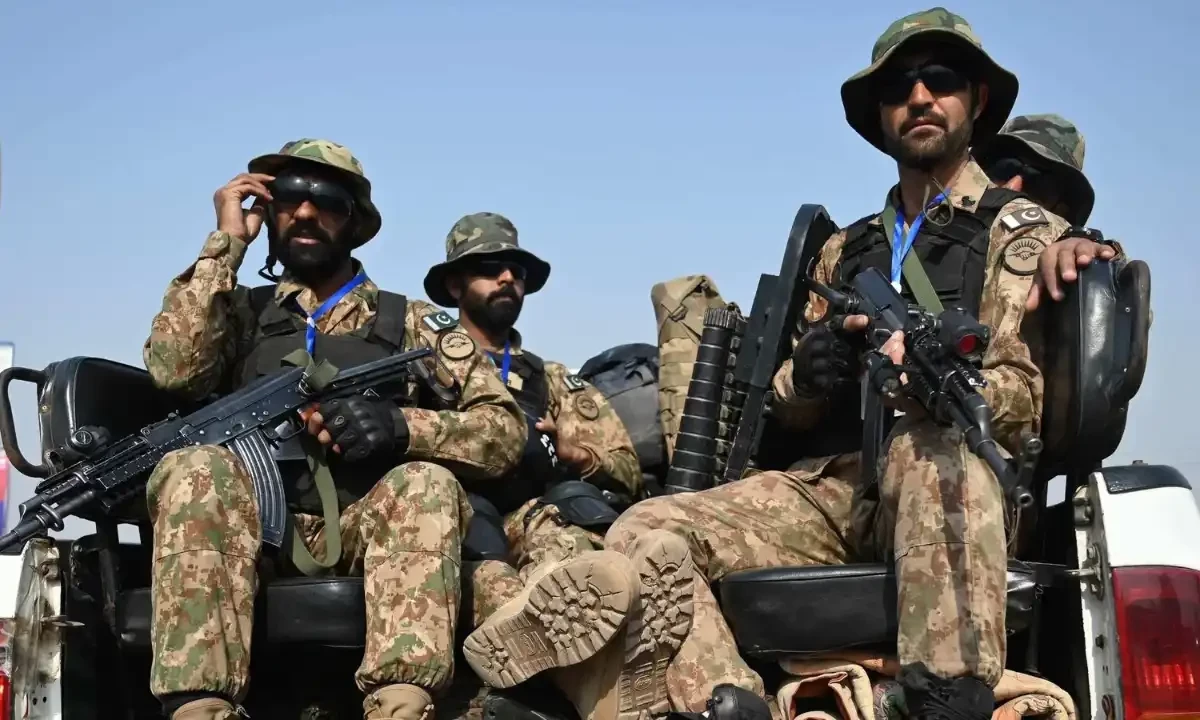
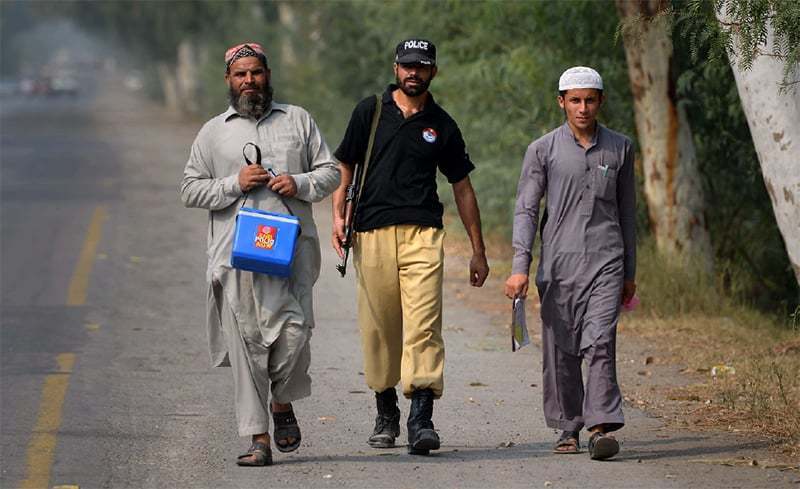
Pakistan’s polio eradication efforts have long been hampered by a mix of security threats, vaccine hesitancy, and misinformation. In remote and conflict-ridden areas, particularly in Khyber Pakhtunkhwa and Balochistan, vaccination teams and their police escorts have faced deadly militant attacks, sometimes forcing campaigns to halt. These disruptions leave children vulnerable in hard-to-reach communities.
Compounding the problem, misinformation has eroded trust in the vaccine. Some clerics and militant groups have spread baseless claims that the shots are a Western plot to sterilize Muslim children or part of espionage efforts. Such narratives have deepened resistance in conservative pockets of the country.
“Communities can protect themselves by actively supporting vaccination efforts, addressing misinformation, and encouraging others to vaccinate their children,” Pakistan’s National Emergencies Operation Center (NEOC) said in a statement. The agency urged parents to work with frontline polio workers to ensure every child is immunized.
Earlier this month, Prime Minister Shehbaz Sharif reaffirmed Pakistan’s resolve to wipe out polio, pledging to redouble efforts with backing from international organizations, provincial governments, and local leaders. The commitment reflects the stakes: Pakistan stands as one of the last holdouts against a disease that has been eradicated in most of the world.
Copyright © 2021 Independent Pakistan | All rights reserved