By Staff Reporter
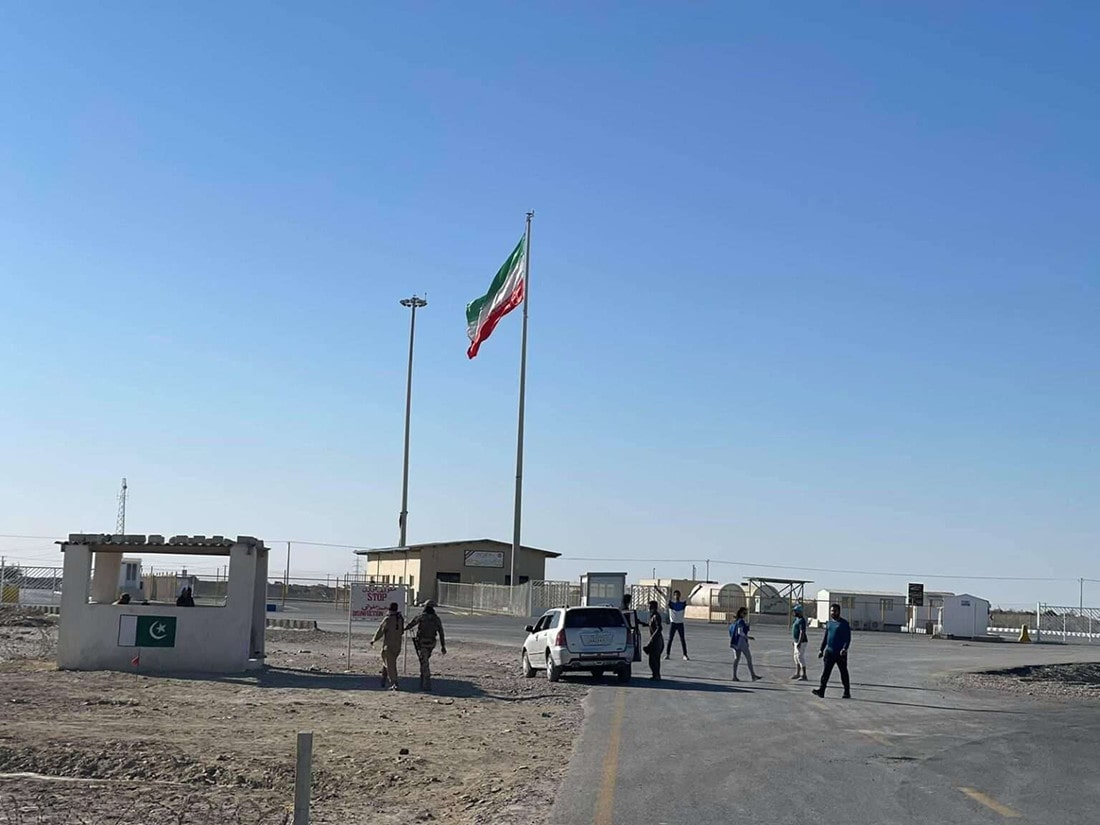
ISLAMABAD: Dozens of students enrolled in religious schools in Iran find themselves in limbo at the Gabd border, their journey halted by a closed crossing and bureaucratic hurdles, as they attempt to return to their studies amid ongoing regional tensions, Dawn newspaper reported on Wednesday.
The students, some of whom returned to their native areas during the Islamic month of Muharram and others who fled the recent Iran-Israel conflict, possess valid travel documents issued by the Iranian government.
However, the border crossing, located approximately 70 kilometers from the port city of Gwadar, has remained closed since the outbreak of the Iran-Israel war a month ago. The stranded individuals, stuck for two days, have been staying in hotels and other lodgings, while immigration officials await fresh orders to process their exit. Compounding the issue is a recent government ban on road travel to Iraq and Iran, further restricting their movement.
An official from the Federal Investigation Agency (FIA), stationed at the Gabd border, confirmed that the students hold valid travel documents but cannot be permitted to cross due to the ongoing closure. “No fresh order has been issued by the Pakistani authorities concerned for opening the border with Iran after the war ended,” FIA Deputy Director Asif Naseem told Dawn.
He noted that a recent decision by the government to ban road travel during Chehlum has imposed additional restrictions, suggesting that the students could opt for air travel to reach their destination.
Maulana Ali Anwar, whose brother is among the stranded students and who serves as an office-bearer for Majlis Wahdat-i-Muslimeen (MWM), reported that more than 50 students, some accompanied by their families, are currently stuck at the Gabd border.
“Hundreds more are waiting in Karachi and other towns, as Pakistani immigration officials claim they have received no instructions to process their exit,” he said. Anwar explained that these students, holding Iqama, typically return to their native areas annually during Muharram and begin their journey back to Iran in the Islamic month of Safar.
Last week, the Iranian embassy in Islamabad issued guidelines for pilgrims, indicating that land entry would be subject to the approval of the Pakistani government. A day later, the Pakistani government announced that no such travel would be permitted due to security concerns, though it did not specify whether the ban applied solely to Chehlum pilgrims or to all travelers entering Iran. In any case, land crossings with Iran have not reopened since the war, exacerbating the students’ plight.
Minister of State for Interior Tallal Chaudhry addressed the situation, stating that arrangements are being made to facilitate the approximately 30 to 40 stranded students. He defended the ban on land pilgrimage to Iran and Iraq, claiming it was intended to benefit Zaireen.
“By August 31, the government will introduce fundamental changes to regulate pilgrimage to Iran and Iraq, modeled after the systems for Haj and Umrah,” he said. Chaudhry dismissed concerns about a “tour operator mafia” benefiting from the policy, asserting that registering hundreds of operators under a transparent system would foster healthy competition and ultimately benefit the pilgrims. “It is a successful model in many parts of the world,” he remarked.
Chaudhry also revealed that Pakistan, Iran, and Iraq are collaborating on a joint strategy to facilitate pilgrims, with the interior secretary planning visits to both countries for follow-up meetings. Additionally, the government is considering the introduction of a ship service for pilgrims, offering an alternative mode of transportation as land routes remain restricted.
Copyright © 2021 Independent Pakistan | All rights reserved