By Staff Reporter
ISLAMABAD: Pakistan is pressing ahead with plans to issue its first panda bond in 2025, a move to tap China’s deep investor pool and diversify its funding sources, Finance Minister Muhammad Aurangzeb said, as the nation seeks to rebuild reserves and return to global capital markets.
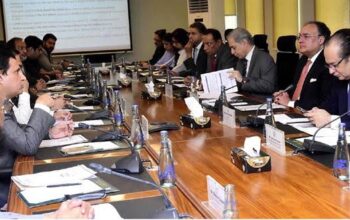
“We are very hopeful that before the year is out, we can do the inaugural issue,” Aurangzeb said at an event in Islamabad on Wednesday. “Next week, along with the prime minister, I will be in China, and we will again bring up the discussion of where we want to go in terms of the international capital markets, starting with the panda bond.”
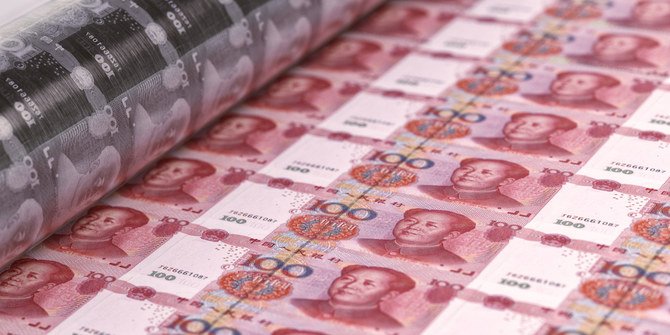
A panda bond, a yuan-denominated debt instrument issued in China’s onshore market by foreign entities, offers Pakistan access to the world’s second-largest economy while reducing reliance on Western debt. The move is part of a broader strategy to stabilise an economy battered since 2022 by a weakened currency, tepid growth, and high inflation, culminating in a $7 billion IMF bailout last year.
Pakistan initially planned a June launch, Aurangzeb told a Hong Kong news channel earlier this year, but regulatory hurdles and the need for multilateral credit guarantees pushed back the timeline. The finance ministry said last month that preparatory work included talks with investors, underwriters, guarantors, rating agencies, and legal advisers in Beijing. Investor roadshows in July further advanced the effort, with officials pitching the bond to Chinese institutions.
Aurangzeb reiterated the bond’s role as a first step toward re-entering global markets. He signaled that improving credit ratings and tighter spreads could also pave the way for exploring other instruments, such as global medium-term notes (GMTN), this fiscal year. “We want to start with the panda bond,” he said.
During next week’s China visit with Prime Minister Shehbaz Sharif, Aurangzeb plans to push discussions forward. “We will bring up where we want to go, in terms of going back into the international capital markets,” he said.
Aurangzeb pointed to recent macroeconomic gains as evidence of Pakistan’s progress. “After a long time, we have the three international rating agencies, i.e. Fitch, S&P, and Moody’s, aligned,” he said. “That is an external validation in terms of the journey that we have been on.” The minister emphasized the need to maintain momentum to avoid the “boom and bust cycle” that has plagued Pakistan’s economy in the past. “We are moving in the right direction, in terms of sentiments. We need to stay the course,” he said.
He described economic stability as “a means to an end” and flagged climate change as an “existential threat,” urging support for “investable bankable projects” to address it.
On domestic reforms, Aurangzeb said the Federal Board of Revenue is no longer involved in policymaking, with that role now under the Finance Division. The government has also simplified tax filing to boost compliance. On state-owned enterprises (SOEs), he noted that 24 are under the Privatisation Commission. “We need to be strategic and essential,” he said, adding that privatization would curb corruption and deliver “real saving to the national exchequer.”
Aurangzeb stressed that the private sector should drive growth, with the government focused on creating an “enabling environment.” The panda bond aligns with this vision, signaling Pakistan’s intent to deepen financial ties with China while re-engaging global investors.
Copyright © 2021 Independent Pakistan | All rights reserved