By Staff Reporter
KARACHI: The state trading company has put more than 107,000 tons of white refined sugar up for international sale, moving to clear the remnants of an emergency import that has become a case study in the country’s chronic mismanagement of its sugar supply.
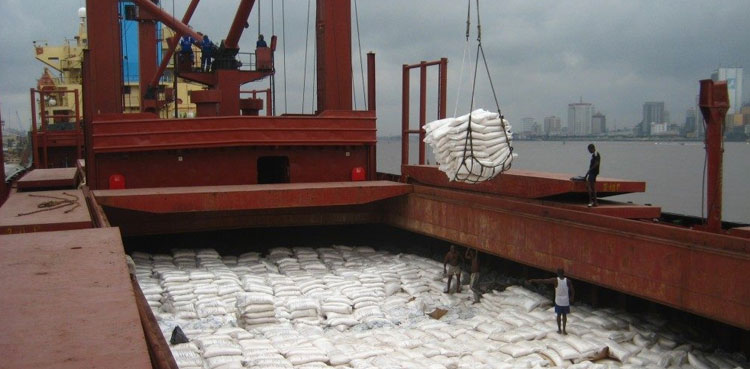
The Trading Corporation of Pakistan issued a tender on Monday to sell and export 107,739 metric tons of the sweetener, with price offers due September 28, European traders told Reuters. The sale covers sugar TCP imported last year as part of a government intervention to head off a domestic shortage — stock that now sits as a costly liability on the state trader’s books rather than the strategic buffer it was meant to be.
The offer follows an Economic Coordination Committee decision on August 20 authorising TCP to seek international bids for roughly 108,000 tons of sugar still in its warehouses. Rather than approve an outright export, the ECC — the cabinet body that signs off on major economic decisions, chaired by Finance Minister Muhammad Aurangzeb — opted to let the tender process determine whether a sale made financial sense, with a final decision on whether to proceed left to the federal cabinet once bids come in.
The tender will run under Pakistan’s Public Procurement Regulatory Authority rules, and only electronic submissions will be accepted, according to the tender documents.
An Import Gone Wrong
The stock traces back to June 2025, when the ECC, worried about a run-up in domestic sugar prices tied to a weaker cane harvest, authorised imports of up to 500,000 tons of white crystalline sugar to stabilise supply. TCP ultimately imported 300,000 tons, at a cost of roughly $150 million, or about 50 billion rupees.
The rescue plan did not go entirely to plan. Domestic consumption of the imported sugar reached only around 192,000 tons, leaving TCP holding some 108,000 tons — sugar that, according to officials briefing Pakistan’s cabinet, is now approaching the end of its shelf life and needs to be moved before it becomes a straight write-off for the treasury.
The episode has drawn public criticism, including from Miftah Ismail, a former finance minister, who has argued TCP paid as much as $40 a ton above prevailing international rates for the imported sugar and that the stock was exempted from sales tax and excise duty yet still proved more expensive than sugar already available domestically. Prime Minister Shehbaz Sharif has told cabinet colleagues the export is intended to head off the losses that would follow if the sugar were left to expire, and has pushed back on what he has described as misleading commentary around the decision.
A Familiar Pattern
The government’s caution around this specific tender reflects a costlier lesson from 2024, when Pakistan allowed roughly 750,000 tons of sugar to be exported after concluding the country held an exportable surplus. Retail prices, which had been running near 140 rupees a kilogram, climbed as high as 190 to 210 rupees within months in some markets, forcing the government to reverse course and organise fresh imports at a much higher cost than the foreign exchange earned from the original export. A deputy prime minister-led committee ultimately fixed an ex-mill price of 159 rupees and a retail ceiling of 164 rupees, an arrangement that itself struggled to hold as sugar continued changing hands above 178 rupees in some markets.
That history has made officials wary of repeating a cycle in which an export decision, once announced, tightens domestic supply and pushes up consumer prices even when aggregate stock data suggest a surplus exists. A senior official involved in last month’s ECC deliberations told Dawn that any formal export decision would hinge on the prices tenders actually produce, and that the government intended the process to run close enough to the start of the next cane-crushing season to limit the risk of destabilizing prices beforehand.
Millers Press Their Own Case
The TCP sale is proceeding alongside — but separately from — a longer-running push by the Pakistan Sugar Mills Association for permission to export sugar held by private mills, a request the industry group has now made three times this year with increasing urgency.
In an August 13 letter to National Food Security and Research Minister Rana Tanveer Hussain, the PSMA said the country held 3.171 million tons of sugar stocks as of July 31 — a figure it said had been reconciled with the Federal Board of Revenue — against average monthly consumption of 564,196 tons. On that basis, the association estimated domestic demand would absorb about 1.974 million tons over the roughly three and a half months to November 15, when the new crushing season traditionally opens, leaving close to 1.197 million tons in stock. The PSMA has argued that clearing part of that overhang through exports would ease pressure on mills’ cash flow and support timely payments to cane growers ahead of the next harvest, which the industry expects to be another bumper crop of around 8 million tons of sugar output.
The government has so far resisted the industry’s broader request. The commerce ministry told a parliamentary committee earlier this year that no proposal to export the wider domestic surplus was under active consideration, a stance rooted largely in the fallout from the 2024 episode. PSMA Chairman Zaka Ashraf has said roughly 1.03 million tons of sugar is ready to ship and has pressed for at least a million tons of exports to be cleared without further delay.
TCP’s stock is a separate pool from the one the PSMA is referring to. The sugar covered by Monday’s tender belongs to the government, was bought on the international market rather than produced domestically, and is being sold specifically to recover value from an import that outran demand — not as a broader release of the industry’s harvest surplus.
Global Prices Turn in Pakistan’s Favor
The timing gives Pakistan a more favorable backdrop than it has had in months. Benchmark raw sugar futures on ICE have rallied sharply since mid-summer, climbing from around 14.88 cents a pound in mid-July to above 18 cents in early September, a 16-month high, after the International Sugar Organization projected a global supply deficit of roughly 200,000 tons for the 2026-27 season — a reversal from the surplus the market had been pricing for most of the year. Tighter supply expectations out of India and Brazil, along with a projected drop in European Union production, have added to the upward pressure on prices.
A stronger global market improves the odds that TCP can recoup a larger share of what it spent importing the sugar in the first place, even if a full recovery of the roughly $150 million outlay remains unlikely once freight, handling and the tender’s pricing dynamics are factored in.
The sale also comes as Pakistan works to preserve the macroeconomic stability it has rebuilt under a 37-month International Monetary Fund extended arrangement approved in September 2024, with the rupee holding relatively steady near 280 to the dollar and gross reserves that had climbed toward $16 billion by the end of last year. A clean, well-priced disposal of the leftover sugar would mark a small but symbolically useful data point for a government eager to show it can manage state trading operations without repeating costly missteps — even as the deeper, structural question the PSMA keeps raising, over how much sugar Pakistan actually has and who gets to sell it, remains unresolved heading into the new crushing season.
Copyright © 2021 Independent Pakistan | All rights reserved