By Staff Reporter
ISLAMABAD: Pakistan raised gasoline and diesel prices on Monday, reversing a partial cut from earlier in the week, as intensifying conflict between the United States and Iran pushed global crude toward its highest levels in six weeks and threatened further supply disruptions from the Middle East.
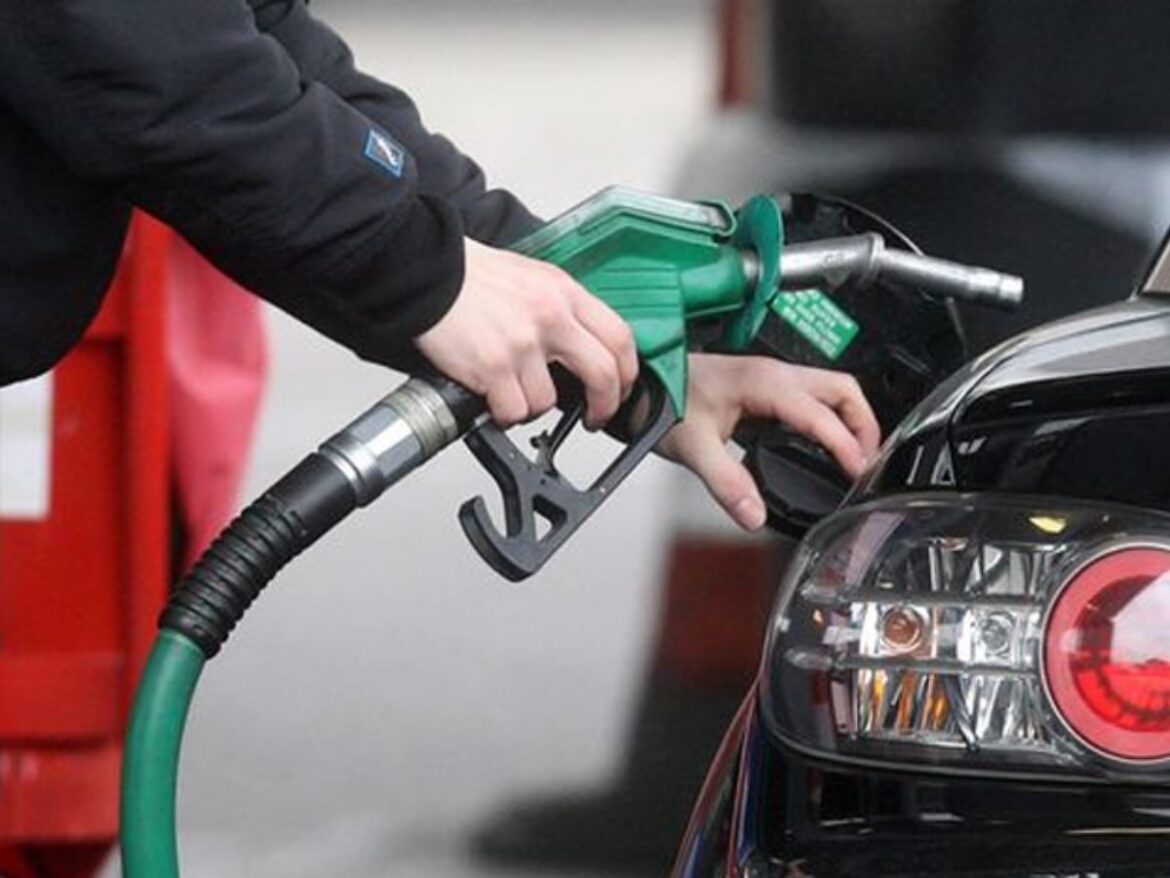
The Petroleum Division said petrol will rise 12.90 rupees to 358.77 rupees a liter, while high-speed diesel climbs 3.72 rupees to 381.77 rupees, effective Tuesday. The government will continue collecting 114 rupees per liter in taxes on petrol and 100 rupees per liter on diesel — a levy structure that has remained largely unchanged even as base prices swing with the geopolitical crisis.
Monday’s increase follows a mixed adjustment earlier in the week, when authorities cut petrol prices by 3.13 rupees while raising diesel by 3.74 rupees for the September 5-7 period. The reversal underscores how directly Pakistan’s fuel market has become tethered to the conflict between Washington and Tehran, now entering its seventh month since fighting erupted on February 28.
Since Islamabad adopted daily price-setting in July — replacing a weekly system that itself had replaced fortnightly reviews — the Oil and Gas Regulatory Authority has recalibrated pump prices repeatedly to track crude’s volatility. The latest hike follows a fresh escalation over the weekend, when the U.S. and Iran exchanged strikes in the Gulf, and Tehran vowed to target energy infrastructure across the region in retaliation for further American attacks. Brent crude touched $98.06 a barrel Monday — its highest since July 24 — before settling near $97.13, up about 0.9%. West Texas Intermediate traded near $92.28, gaining roughly 0.9% on the day. Both benchmarks extended a blistering rally from the prior week, when Brent jumped 7.8% and WTI surged almost 10% as attacks curtailed flows through the Strait of Hormuz, a waterway that once carried a fifth of global oil supply before the conflict began.
Maritime intelligence firm Marisks said commercial vessels are increasingly being drawn into the fight directly, with tankers now used as tools of economic pressure rather than incidental casualties of the broader conflict — a shift the firm said has eroded the traditional separation between military operations and commercial shipping.
For Pakistan, a net oil importer, the pricing mechanism translates geopolitical shocks almost immediately into pocketbook pain. Petrol, used predominantly in motorcycles, rickshaws and private cars, weighs heaviest on middle- and lower-income households. Diesel costs ripple more broadly through the economy, powering heavy freight, agricultural equipment, power plants and backup generators relied upon during the country’s frequent electricity shortfalls.
The two fuels remain the backbone of Pakistan’s petroleum tax revenue, with combined monthly sales of roughly 700,000 to 800,000 tonnes, dwarfing the 10,000 tonnes of monthly kerosene demand.
The volatility comes against a backdrop of structural exposure that the government’s own economic survey has flagged as a persistent vulnerability. According to the Pakistan Economic Survey 2025-26, petroleum imports rank among the country’s largest import categories, leaving the economy acutely sensitive to swings in international crude prices. Domestic refining capacity covers only a fraction of national demand, forcing continued reliance on imported crude and refined products — a dependency that widens the import bill, strains foreign exchange reserves and feeds inflation whenever global prices climb.
That exposure has shaped, and been shaped by, decades of policy. Pakistan has historically leaned on subsidies and price controls to cushion consumers from global swings, but the approach has repeatedly proven costly to the treasury. During past oil-price spikes, governments delayed passing costs through to consumers, a strategy that squeezed oil marketing companies and refiners while widening fiscal deficits and pushing up public borrowing — pressures that ultimately weighed on broader macroeconomic stability.
Prices peaked earlier this year at levels far above current rates: petrol hit 458.41 rupees on April 3, after climbing from 266 rupees in early March, while diesel reached 520.35 rupees the same day, up from 281 rupees. Both fuels have since retreated from those highs, though Monday’s increase signals renewed upward pressure as the regional conflict shows no sign of resolution.
Copyright © 2021 Independent Pakistan | All rights reserved