By Staff Reporter
ISLAMABAD: The Green Climate Fund, the world’s largest dedicated source of climate financing, approved $250 million on Wednesday for an ambitious decade-long program to fortify water and farming systems across glacier-dependent swaths of Central Asia, the South Caucasus and Pakistan, as melting ice imperils millions of livelihoods.
The initiative, known as Glaciers to Farms and led by the Asian Development Bank, will channel the bulk of the money as grants, paired with $3.25 billion in commitments from the bank itself. Together, the funds will underwrite a cascade of projects aimed at vulnerable communities, channeling investments into efficient irrigation, water storage and watershed management to bolster agricultural output amid intensifying droughts and floods driven by accelerated glacial retreat.
“Rapid glacial retreat is one of the most complex development challenges faced by our region,” said Yasmin Siddiqi, director for agriculture, food, nature and rural development at the Asian Development Bank. “We need practical, scalable, and science-based solutions to help communities adapt. With catalytic support from GCF, Glaciers to Farms will help move the region beyond fragmented projects and towards systemic, long-term resilience that protects lives and livelihoods now and for future generations.”
The program spans nine developing member countries of the Asian Development Bank, Armenia, Azerbaijan, Georgia, Kazakhstan, the Kyrgyz Republic, Pakistan, Tajikistan, Turkmenistan and Uzbekistan, all of which depend heavily on rivers fed by glaciers and snowmelt for agriculture, drinking water and power generation. In these nations, where roughly one in four jobs hinges on farming, the specter of dwindling ice sheets poses an existential threat to ecosystem services and economic stability.
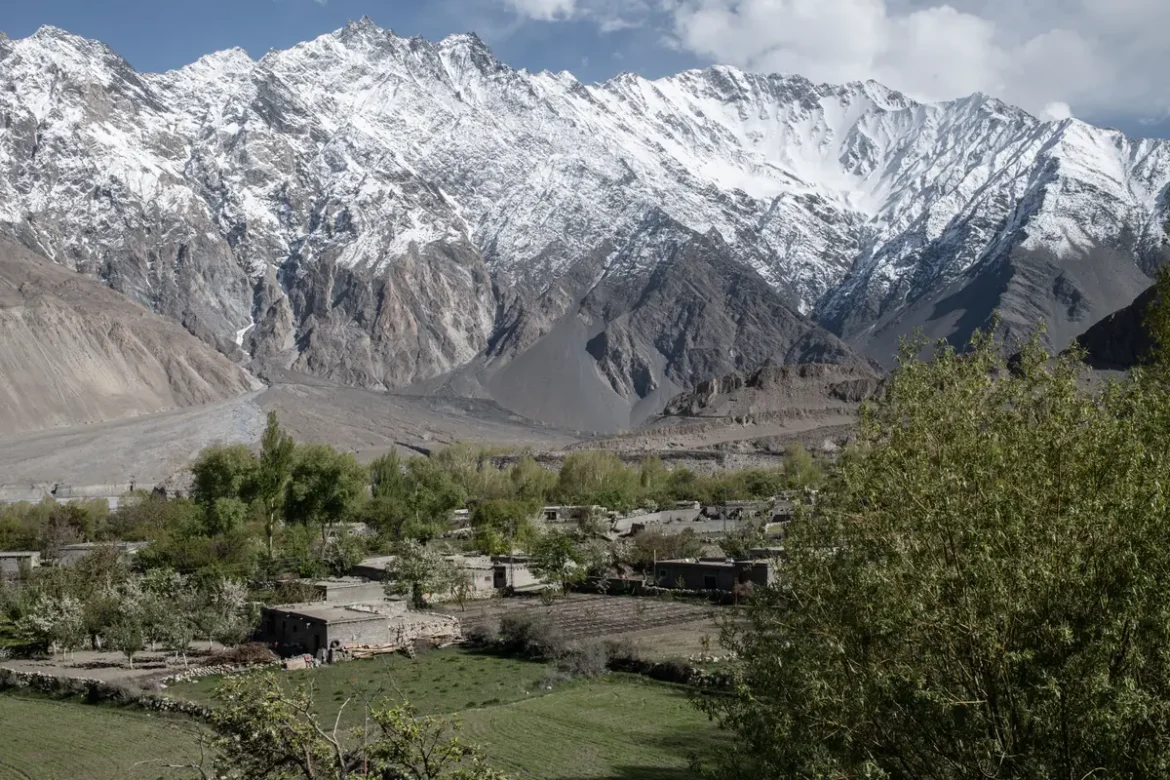
At its core, Glaciers to Farms targets four critical glacier-fed river basins: the Naryn and Pyanj in Central Asia, the Kura in the South Caucasus, and the Swat in Pakistan. These waterways nourish some 27 million hectares of land. Direct benefits are slated to reach about 13 million people, including farmers and those in fragile mountain enclaves. The effort will finance climate and glacier assessments to shape national development strategies and investment agendas. It will also buttress monitoring networks and early warning systems, equipping communities to contend with perils like glacial lake outburst floods and extended dry spells.
Beyond the fields, the program extends to adaptive social safety nets and health services for populations battered by water scarcity and scorching heat. It will further empower local banks to lend to agricultural enterprises, with a particular emphasis on those steered by women. “The Glaciers to Farms program is the kind of large-scale, innovative, and collaborative effort that will help countries in Central and West Asia strengthen adaptation planning and cooperation to manage climate impacts on glacier-fed water systems,” said Thomas Eriksson, director of the Green Climate Fund’s Eastern Europe, Central Asia and Middle East Region Department. “This program sets a transformative benchmark by improving data, coordination, and financing readiness for long-term resilience in the region’s water and food systems.”
The Green Climate Fund greenlit the concessional financing at its 43rd Board Meeting in Manila on Oct. 29. In 2024, the fund’s support for glacier risk assessments laid the scientific groundwork for the program’s design.
Copyright © 2021 Independent Pakistan | All rights reserved