By Staff Reporter
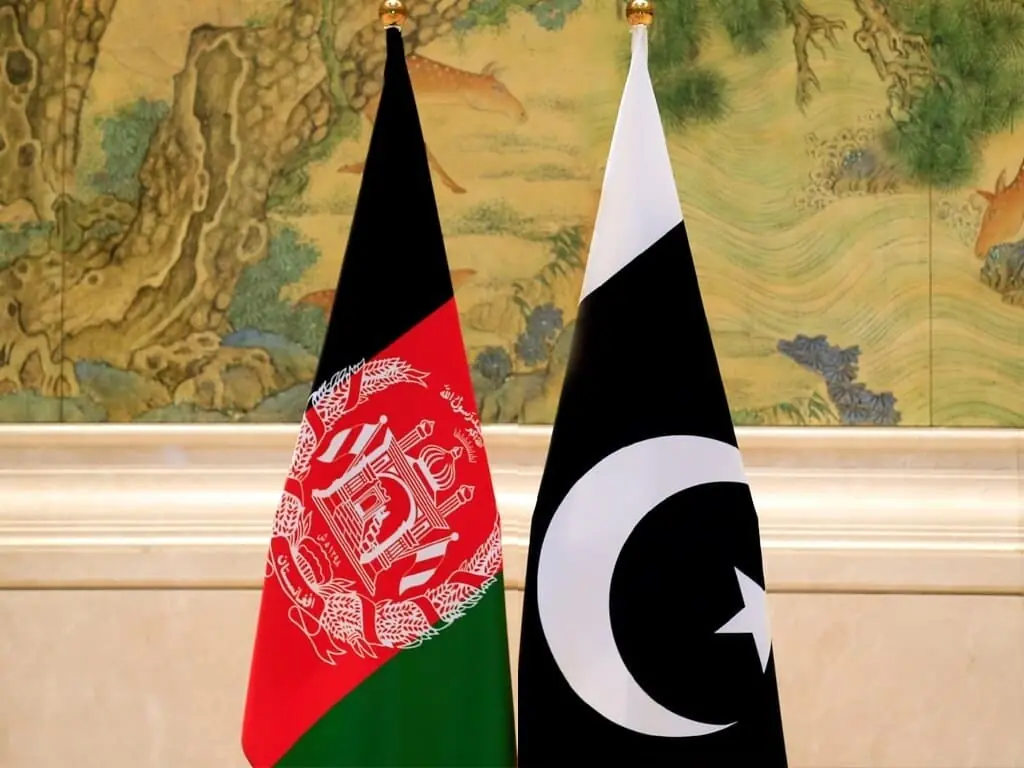
ISLAMABAD: In a discreet diplomatic effort, Saudi Arabia hosted direct negotiations between Pakistan and Afghanistan over the weekend, seeking to defuse escalating disputes over cross-border terrorism, but the talks concluded late Sunday without progress, Dawn newspaper reported on Monday.
The closed-door meeting in Riyadh saw both sides clinging to entrenched stances, with scant signs of flexibility, the newspaper said. Still, the possibility of another round under Saudi auspices lingers in the coming weeks.
This initiative unfolded amid a deadlock in a parallel mediation effort led by Turkiye and Qatar. President Recep Tayyip Erdogan of Turkiye had signaled intentions to send a delegation to Pakistan, yet that visit remains unrealised. The Turkiye-Qatar channel had brokered a tenuous ceasefire following border skirmishes in early October. But at a regular briefing on Friday, Tahir Andrabi, a spokesman for Pakistan’s Foreign Office, attributed the truce’s unraveling to its dependence on curbing terrorist operations.
The Riyadh delegations mirrored those from prior sessions in Istanbul, the sources noted, pointing out that Pakistan’s team, for example, featured a diplomat from the Foreign Office. Saudi mediators floated the idea of Pakistan permitting a restart of bilateral trade even as terrorism talks persisted, but Islamabad rebuffed the suggestion, the newspaper quoted a source as saying.
The strains between Pakistan and Afghanistan have intensified lately, with the outlawed Tehreek-i-Taliban Pakistan emerging as the central flashpoint. Pakistan has pressed the Afghan Taliban government in Kabul to crack down on cross-border attacks, while Afghan officials have rejected accusations that militants are permitted to launch operations from their territory. The dialogue stemmed from October’s border clashes, aiming to forge enduring mechanisms for peace and stability. A second round commenced in Istanbul on Oct. 25, only for Pakistan’s information minister, Attaullah Tarar, to declare that it “failed to bring about any workable solution.”
Turkiye and Qatar stepped in to revive the process, culminating in an Oct. 31 joint statement from Ankara that pledged to hash out “further modalities of the implementation” at a high-level gathering in Istanbul the following month. Yet by Nov. 7, after a third session, Pakistan’s defence minister, Khawaja Asif, pronounced the terrorism-focused negotiations “over” and mired in an “indefinite phase,” as deep divides proved unbridgeable.
In the aftermath, Pakistan had sealed its border to commerce shortly after the October fighting. Türkiye then outlined plans for senior officials to travel to Pakistan to address the impasse with Kabul. On Nov. 14, Pakistan expressed appreciation for the “sincere efforts” by Turkiye and Qatar, though the delegation has yet to arrive, complicated by procedural hurdles. Pakistan’s Foreign Office has further conditioned the reopening of trade on the Taliban’s cessation of cross-border terrorism, while tying the viability of major regional energy initiatives to Kabul’s abandonment of alleged backing for militant outfits.
Copyright © 2021 Independent Pakistan | All rights reserved