By Staff Reporter
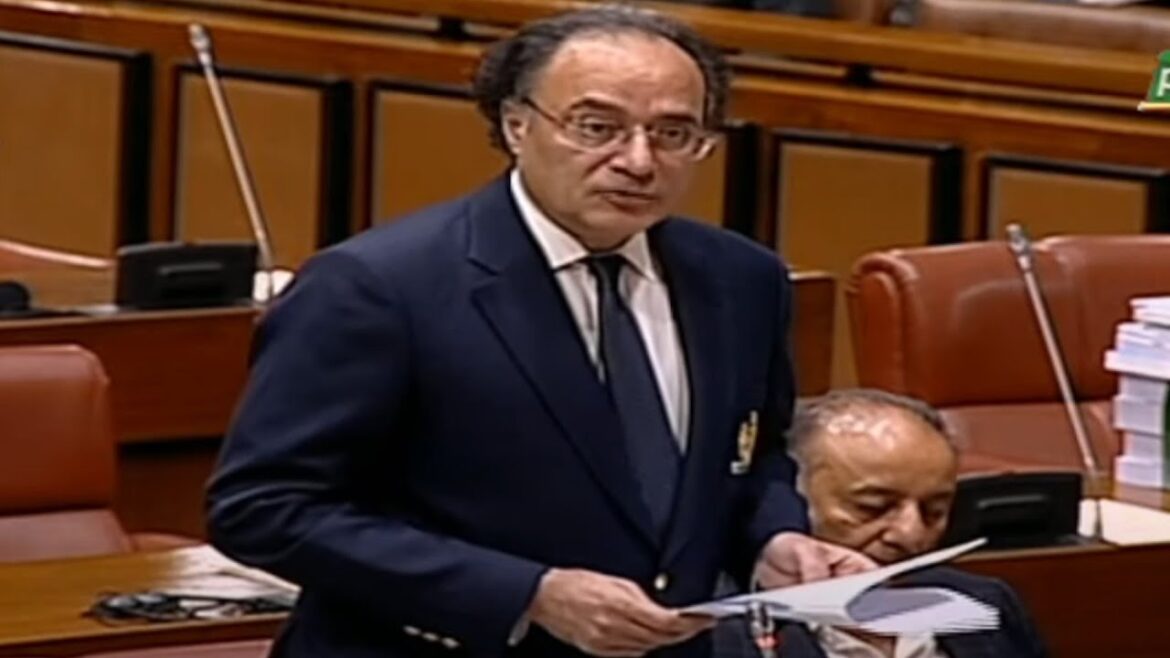
ISLAMABAD: Finance Minister Muhammad Aurangzeb said the government will finalise an action plan by Dec. 31 to implement 15 key recommendations from the International Monetary Fund’s governance and corruption diagnostic report, as Islamabad pushes ahead with reforms amid a surge in tax collections.
The plan follows the IMF’s assessment, which identified structural deficiencies not just in Pakistan but across 22 countries, including the UK and Switzerland, Aurangzeb told lawmakers in the National Assembly on Monday.
Responding to a calling attention notice by MNA Syed Hafeezuddin, he said work is underway on the recommendations, and a report will be published by the end of this month.
Aurangzeb highlighted progress in combating tax evasion, noting that the Federal Board of Revenue has collected 27% more tax revenue in the current financial year compared with the previous one. The tax-to-GDP ratio, which stood at 10.3% in the last financial year, has risen to 11% this year, he said.
The FBR achieved a historic performance in the last fiscal year, collecting Rs11.7 trillion, up from Rs9.3 trillion the previous year, according to the minister. The Rs2.5 trillion increase represents a robust 27% growth, which Aurangzeb characterised as an “undeniably strong performance.”
Breaking down the gains by category, he said income tax collection rose by 28%, sales tax by 26%, federal excise duty by 33%, and customs duty by 16%. Emphasising a key milestone, Aurangzeb noted that Pakistan has finally improved its tax-to-GDP ratio after several years, increasing from 8.5% in FY 2023-24 to 10.3% last year. He projected the ratio would approach 11% in the current fiscal year.
The minister also pointed to an additional Rs200 billion in recent gains and underscored the importance of enhanced compliance, with around 400,000 non-null tax returns filed. Monitoring and enforcement efforts have been stepped up, he said, citing the sugar sector as an example where Rs7 billion more in tax was collected in July compared with November 2024. The government is now focusing on the tobacco and textile sectors, Aurangzeb added, stressing: “Wherever tax is not collected, the government will take action.”
Separately, during the Question Hour, Minister for National Health Services Mustafa Kamal informed the House that barcodes would be affixed to all medicines to prevent the sale of counterfeit drugs. These barcodes, accessible via a mobile app, will display key details like price and expiry date, he said. A dedicated helpline will also be launched for complaints, and the minister emphasised that measures would be taken to eliminate fake drugs.
Kamal also revealed that the government is working on the Universal Medical Record project, which will maintain the medical data of all citizens, particularly on cancer. The Computerised National Identity Card number will serve as the Medical Record Number, with a command and control centre being set up at the National Institute of Health in Islamabad. He added that cervical cancer claims over 5,000 lives annually in Pakistan, and the vaccine for cervical cancer has been added to the national immunisation program.
Meanwhile, Federal Minister for National Food Security and Research Rana Tanveer Hussain said agricultural reforms are underway, with Prime Minister Shehbaz Sharif prioritising agriculture and food security. The State Bank of Pakistan has instructed banks to offer loans to farmers, and Sindh and other provinces are providing subsidies, he added.
Copyright © 2021 Independent Pakistan | All rights reserved