By Staff Reporter
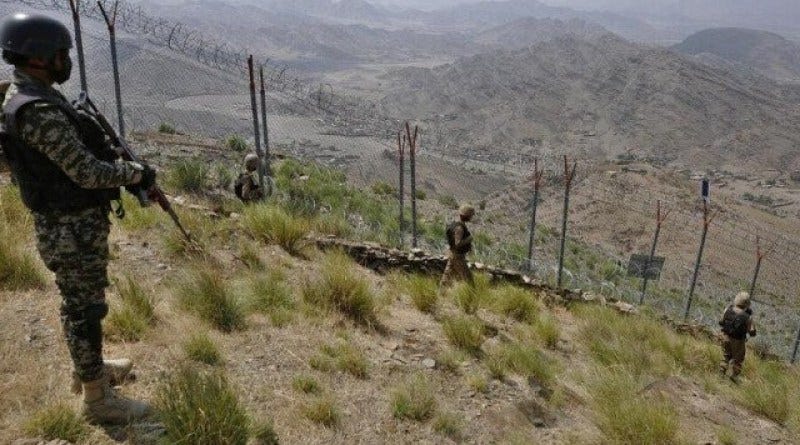
ISLAMABAD: Pakistan said on Saturday its security forces were carrying out precise intelligence-driven operations against terrorist infrastructure inside Afghanistan, insisting the campaign was designed to minimise civilian harm even as cross-border clashes with the Taliban government intensified into what one Pakistani minister has described as “open war.”
The statement from Islamabad came hours after Afghanistan’s defence minister warned that any Pakistani strike on Kabul would trigger immediate retaliation against the Pakistani capital. The exchange showed a sharp escalation along the shared border, where fighting has raged since last month after Afghan forces attacked Pakistani military outposts in response to earlier Pakistani airstrikes on militant camps.
Information Minister Ataullah Tarar, in a detailed written statement, defended the operations Ghazb Lil Haq as narrowly focused on “terrorist infrastructures and support system” and said every effort was being made to avoid collateral damage. “Pakistan is only targeting terrorist infrastructures and support system with precise intelligence based operations ensuring no collateral damage takes place.”
He added that the locations chosen were “remote terrorist hideouts and facilities far removed from populated zones, including sensitive areas such as Kabul’s Green Zone.” Tarar directly challenged assertions by Afghan officials that their forces had inflicted heavy losses on Pakistan, including the killing of 109 Pakistani soldiers and the capture or destruction of 14 military posts.
Tarar dismissed those figures as “imaginary numbers” and accused the Taliban government of operating in “nexus” with multiple terrorist groups, including the Tehreek-e-Taliban Pakistan (TTP). “All such attempts are responded to, immediately and effectively with severe retributive punishment that is swift, precise and effective,” he said.
By contrast, Tarar said Pakistan’s campaign had inflicted far greater damage on Taliban forces: 527 fighters killed and more than 755 injured, 237 check posts destroyed, another 38 captured and destroyed, and 205 tanks, armored vehicles and artillery guns eliminated. He said Pakistani airstrikes had hit 62 locations across Afghanistan.
The Pakistani defense minister, Khawaja Muhammad Asif, had already described the situation last week as “open war” between the two neighbors. The United Nations, however, raised fresh alarm on Friday over the human cost. Volker Türk, the UN high commissioner for human rights, reported that 56 Afghan civilians — nearly half of them children — had been killed since the latest round of hostilities intensified.
Tarar questioned the UN assessment, saying it appeared to rely heavily on information supplied by Taliban authorities and lacked independent verification. He reiterated that Pakistani operations were conducted “with the highest degree of precision, professionalism, and responsibility” and were “meticulously planned so that civilian areas remain completely safe.”
Islamabad has long accused the Taliban-led government in Kabul of providing sanctuary to TTP militants who launch attacks inside Pakistan — a charge Afghan officials consistently deny. Tarar said the latest Afghan assaults “once again confirm the nexus of Afghan Taliban regime and multiple terrorist organizations operating from within their territory.”
In a separate development that escalated the rhetoric, Afghanistan’s Defence Minister Mullah Yaqoob told Afghan broadcaster TOLOnews that any threat to Kabul would be met in kind. “If Kabul lacks peace, there will be no peace in Islamabad. If Kabul is attacked, Islamabad will be attacked,” Yaqoob said in remarks circulated on social media.
Yaqoob rejected Pakistan’s rationale for the strikes, arguing that the underlying dispute was not about the TTP but about the contested Durand Line, the colonial-era border that Afghanistan has never fully recognised. There was no immediate official response from Islamabad to his comments.
The flare-up marks the most serious deterioration in relations between the two countries since the Taliban seized power in Afghanistan in 2021. Pakistan, which initially welcomed the Taliban takeover, has grown increasingly frustrated over what it sees as Kabul’s failure to curb cross-border militancy. Afghan leaders, meanwhile, have accused Pakistan of repeated violations of their sovereignty through airstrikes and artillery barrages. As of Saturday, neither side showed any sign of de-escalation.
Copyright © 2021 Independent Pakistan | All rights reserved