By Staff Reporter
ISLAMABAD: President Asif Ali Zardari warned on Saturday that Afghanistan’s Taliban government had crossed a dangerous threshold by launching drone attacks on Pakistani civilian areas, declaring that the strikes had brought “grave consequences upon itself” and risked a further escalation in a conflict that has already claimed dozens of lives on both sides of the porous border.
The sharp rebuke came a day after the Taliban accused Pakistan of conducting airstrikes on Kabul and other eastern Afghan provinces, claiming at least six civilians were killed and 15 others wounded. Kabul said its own air force responded by targeting Pakistani military installations near Islamabad and in northwestern Pakistan. Pakistani officials denied striking civilians, insisting their operations were limited to militant camps belonging to the Tehreek-i-Taliban Pakistan (TTP), the group Islamabad blames for a surge in attacks inside its territory.
Zardari’s statement framed the Afghan actions as particularly egregious because they occurred while Pakistan was engaged in diplomatic efforts to promote stability elsewhere in the region. “While the Afghan terrorist regime seeks negotiations with our friendly countries, it crossed a red line by attempting to target our civilians while Pakistan remains engaged in efforts to promote peace and stability in the Gulf region and West Asia,” he said in a written statement. In a separate post on X, the president added: “Afghan soil must not be used for terrorism against neighbors. Pakistan will defend its people.”
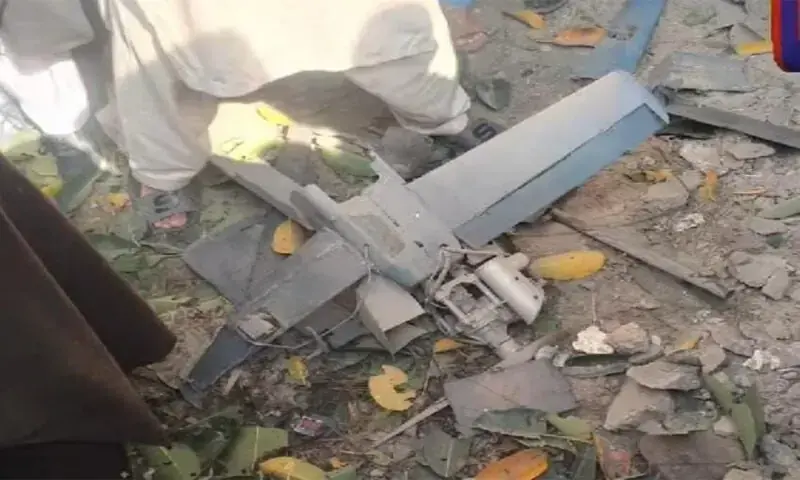
The latest exchanges mark the most intense phase yet of fighting that erupted in late February and has shown no sign of abating despite repeated mediation attempts by China, Turkey and other regional powers. On Friday, Pakistani forces intercepted several rudimentary drones launched from Afghanistan, but falling debris injured two children in the southwestern city of Quetta and two other civilians elsewhere in the country. The same day, a roadside bomb targeting Pakistani police in the northwestern district of Lakki Marwat killed seven officers.
Pakistan has long accused the Taliban government of harboring TTP militants who slip across the border to stage attacks, a charge Kabul has repeatedly denied. Tensions spiked dramatically after a Feb. 16 suicide assault on a joint security post in Bajaur district near the Afghan frontier. Eleven Pakistani soldiers were killed, along with a young girl; seven others, including women and children, were wounded when the blast damaged a nearby residential building. Pakistani investigators identified the bomber — a member of the Afghan Taliban’s special forces from Balkh province — and the TTP claimed responsibility.
Five days later, on Feb. 21, a lieutenant colonel and a sepoy died in another suicide attack during an intelligence-based operation in Bannu district of Khyber Pakhtunkhwa province. Pakistan’s military, in a statement, said the perpetrators were operating from Afghan soil in violation of the holy month of Ramadan and vowed unrelenting operations “irrespective of their location.”
Defense Minister Khawaja Asif had signaled as early as Feb. 19 that Pakistan would not hesitate to strike inside Afghanistan if attacks continued. The current round of fighting echoes earlier flare-ups. In November 2025, the Taliban claimed Pakistan had bombed Khost province and carried out airstrikes in Kunar and Paktika. Islamabad neither confirmed nor denied those reports at the time. The incidents followed deadly border clashes in October 2025 that left 23 Pakistani soldiers dead and more than 200 Taliban fighters and affiliated militants killed, according to Pakistani accounts. Those skirmishes began, the military said, after an unprovoked attack involving Afghan Taliban and what it described as India-sponsored elements.
The violence has unfolded against a backdrop of renewed terrorism inside Pakistan since the Taliban’s return to power in Kabul in 2021. Islamabad has repeatedly pressed the Afghan government to dismantle TTP sanctuaries, officials say, with little result. Pakistani authorities now describe the situation as an “open war,” raising international concern about regional stability at a moment when the U.S.-Israeli conflict with Iran has already destabilized much of the Middle East.
China, which has cultivated ties with both nations, stepped in again Friday. Foreign Minister Wang Yi told his Afghan counterpart, Amir Khan Muttaqi, in a phone call that disputes must be resolved through “dialogue and consultation, not force,” according to a Chinese Foreign Ministry statement. Wang urged both sides to “remain calm and exercise restraint,” convene face-to-face talks as soon as possible, seek an immediate ceasefire and address differences through negotiation. Further use of force, he warned, would only “complicate the situation and intensify tensions.”
The two diplomats also discussed the situation in Iran, with Wang saying Beijing was prepared to work with the international community, including Afghanistan, to help restore peace there. A Qatari-mediated ceasefire in October 2025 briefly eased tensions, but subsequent talks hosted by Turkey failed to produce a lasting agreement. For now, neither side shows any sign of backing down. Pakistan’s military has reiterated that operations against TTP-linked targets will continue.
Copyright © 2021 Independent Pakistan | All rights reserved