By Staff Reporter
ISLAMABAD: Pakistan’s petroleum product inventories remain at comfortable levels with supply chains operating without disruption, ensuring adequate availability in the coming weeks even as escalating conflict in Iran drives volatility in global crude and refined product markets, the Finance Ministry said.
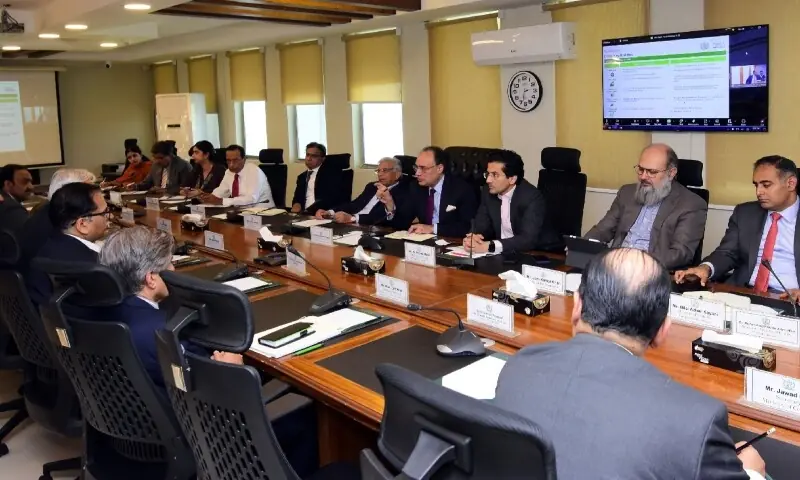
The reassurance came Saturday after a virtual meeting of the Committee to Monitor Petrol Prices, chaired by Finance Minister Muhammad Aurangzeb. The panel was set up earlier this month by Prime Minister Shehbaz Sharif in response to the regional situation.
Officials reviewed the country’s full national inventory of crude oil and refined products, current import schedules, and logistics arrangements. Members were briefed on shipments already at sea and additional cargoes being lined up to reinforce reserves, according to a Finance Division statement.
Global oil markets have been rattled by the intensifying confrontation involving Iran, including joint US-Israeli strikes on Iranian targets late last month and Tehran’s retaliatory actions. The clashes have interfered with tanker movements through the Strait of Hormuz, the critical chokepoint carrying about one-fifth of global oil trade, pushing benchmark crude prices higher and raising supply concerns for import-reliant economies like Pakistan.
The committee examined recent swings in international crude and product prices, benchmark movements, and market dynamics, weighing possible external scenarios and their potential effects on Pakistan’s energy security and broader economy. Pakistan lifted petrol and diesel prices by Rs55 a liter earlier this month after international crude climbed amid the tightening supplies.
Aurangzeb stressed that the government’s top priority is maintaining uninterrupted fuel availability nationwide while shielding consumers as much as possible from the global upheaval. “Although global energy markets are currently experiencing significant volatility, Pakistan’s supply position remains stable due to proactive planning and close coordination among relevant stakeholders,” the minister said.
The session also covered day-to-day operations, including crude import schedules, refinery run rates, and maritime logistics. Authorities detailed steps to speed cargo clearances, sustain optimal throughput at refineries, and keep the entire petroleum distribution network flowing. Participants underscored the need for tighter coordination between refineries, oil marketing companies, and government agencies to guarantee consistent nationwide supplies of petrol, diesel, aviation fuel, and liquefied petroleum gas. Current stock levels plus scheduled imports are sufficient to cover domestic demand in the near term, they were told.
Officials further discussed targeted conservation steps and demand-side measures aimed at easing import volumes during periods of price pressure. These include efficiency drives and public-sector initiatives to promote responsible fuel use, which could help ease the import bill and support economic stability. The committee noted progress on bolstering oversight across the supply chain, including work on a digital dashboard that will deliver real-time data on stock levels, depot inventories, and retail conditions to sharpen decision-making.
Aurangzeb said the panel will keep up daily tracking of international energy markets, domestic inventories, and logistics to enable swift policy adjustments. The government remains committed to preserving market stability and protecting national energy security through the current period of uncertainty. Minister for Petroleum Ali Pervaiz Malik, Minister for National Food Security and Research Rana Tanveer Hussain, Minister of State for Finance Bilal Azhar Kayani, and State Bank of Pakistan Governor attended, along with federal secretaries and senior officials from the ministries, divisions, and regulatory agencies involved.
Copyright © 2021 Independent Pakistan | All rights reserved