By Staff Reporter
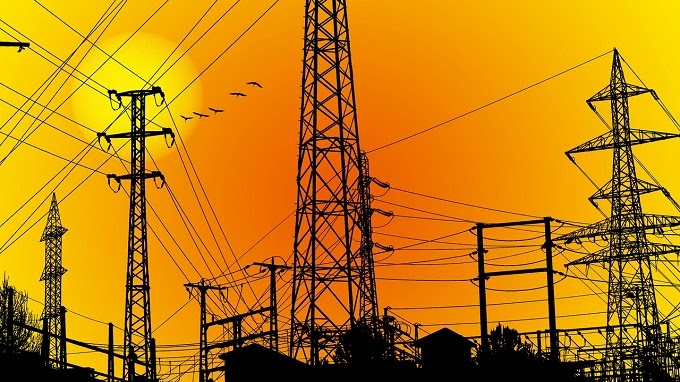
ISLAMABAD: The government will impose scheduled electricity outages of about 2.25 hours a day during peak evening hours across most of the country, a move designed to curb the use of expensive imported fuels and prevent electricity tariffs from surging amid disruptions to liquefied natural gas supplies triggered by the Middle East conflict.
The Power Division announced the measure Tuesday, saying supply will be suspended for roughly 2.25 hours daily between 5 pm and 1 am The step forms the core of what officials are calling a “Peak Relief Strategy,” aimed at managing demand when hydropower output drops sharply and avoiding reliance on costlier alternatives such as furnace oil.
Karachi and Hyderabad have been exempted. K-Electric and Hyderabad Electric Supply Company receive sufficient low-cost generation from sources other than furnace oil, the Power Division said, sparing consumers in those areas from the inconvenience.
The decision stems directly from the suspension of LNG imports. Qatar, Pakistan’s primary LNG supplier under two long-term contracts that can deliver up to 1,000 million cubic feet per day, declared force majeure after attacks on its gas fields linked to the US-Israel war on Iran. The resulting fuel shortage has left the power sector — heavily dependent on imported energy — exposed to higher global prices.
Officials stressed that the national power system remains capable of meeting overall demand. The challenge is concentrated in peak hours, when consumption spikes and hydel generation falls, forcing the use of more expensive thermal plants. “Relying on expensive fuels to meet this demand could lead to a substantial increase in electricity prices,” the Power Division said in its statement.
The government has already taken steps to blunt the impact. It has diverted 80 million cubic feet per day of local gas to power plants, a move that prevented an additional 80-paisa-per-unit increase in tariffs and reduced the need for broader load management. Even so, some price pressure is inevitable. The Power Division estimated that the limited peak-hour outages will prevent a tariff rise of about Rs3 per unit. With restrained use of furnace oil, any increase is expected to be capped at around Rs1.5 per unit. Without the combined measures, the hike could have reached Rs5 to Rs6 per unit, it said.
Prime Minister Shehbaz Sharif is personally overseeing the situation, according to the statement. He has instructed the Power Division to ensure electricity prices “must not increase sharply” and to take every step possible to minimize any rise that does occur from furnace-oil use. The announcement comes against a backdrop of broader tariff relief already delivered to consumers. Between July and February, average electricity prices fell 71 paisa per unit despite rising fuel costs, providing Rs46 billion in total relief nationwide. That reduction was achieved through structural reforms, stricter adherence to the merit order of generation, targeted subsidy packages, improved planning, more efficient system operations, and a focus on lower-cost sources. Losses in transmission and administration were also reduced, officials said.
Distribution companies have been told to publish detailed feeder-wise outage schedules so consumers know exactly when power will be cut. No unscheduled outages will be permitted; any disruptions caused by local faults must be communicated promptly to affected customers. The Power Division emphasiaed that the measure is not conventional load-shedding prompted by supply shortages. “This action is not load shedding or load management, but is part of the government’s ‘Peak Relief Strategy’ for reducing possible increase in price during peak hours,” it said.
Authorities added that coordinated efforts between federal and provincial governments — including the timely closure of commercial markets — could further dampen demand and help contain future price increases. The situation continues to be monitored closely, the statement said. Pakistan’s power sector remains vulnerable to global energy shocks because of its dependence on imported fuels. The latest disruption, part of a wider energy crisis sparked by Iran’s closure of the Strait of Hormuz in retaliation for US-Israel strikes, has sent governments worldwide scrambling to conserve power and stabilize costs.
Copyright © 2021 Independent Pakistan | All rights reserved