By Staff Reporter
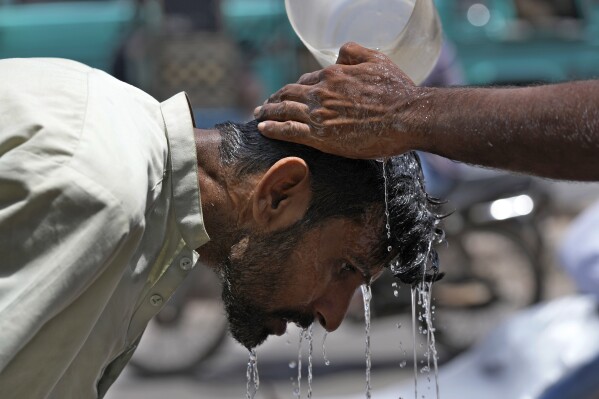
ISLAMABAD: Pakistan’s meteorological authorities have forecast a punishing heatwave across much of the country this week, with extreme temperatures already claiming at least 10 lives in Karachi and prompting emergency measures nationwide.
The Pakistan Meteorological Department warned on Wednesday that a high-pressure system in the upper atmosphere will drive the heat, beginning on Thursday in southern and central regions and spreading to the north the following day. Daytime highs could reach 46 to 50 degrees Celsius (115 to 122 Fahrenheit) in parts of Sindh and Balochistan, the agency said in a detailed regional breakdown.
“Due to the presence of high pressure in the upper atmosphere, heatwave conditions are likely to develop over southern and central parts of the country from May 7-11 and in upper parts from May 8-10,” the PMD said in its statement. The most intense conditions are expected in districts including Dadu, Shaheed Benazirabad, Ghotki, Khairpur, Nausheroferoze, Jacobabad, Larkana, Sukkur, Sibbi, Turbat and Panjgur, where maximum temperatures are projected between 46 and 50 degrees Celsius.
In southern and central Punjab and parts of southern Khyber Pakhtunkhwa — encompassing Dera Ghazi Khan, Layyah, Bhakkar, Rajanpur, Kot Addu, Bahawalpur, Bahawalnagar, Rahim Yar Khan, Multan, Khanewal, Pakpattan, Sahiwal, Karak, Bannu, Lakki Marwat, Tank and Dera Ismail Khan — readings of 43 to 47 degrees Celsius are likely. Upper regions, including Peshawar, Mardan, Swabi, Nowshera, Kohat, Islamabad, Rawalpindi, Attock, Chakwal, Jhelum, Sargodha, Mianwali, Faisalabad, Jhang, Toba Tek Singh, Khushab, Gujrat, Gujranwala, Hafizabad, Mandi Bahauddin, Sialkot, Narowal, Lahore, Okara and Kasur, should see highs of 39 to 43 degrees Celsius.
Karachi, the country’s largest city, will remain very hot, with maximums forecast between 35 and 38 degrees Celsius. The warning comes days after Karachi recorded its highest temperature since 2018. On Monday, the mercury climbed to 44.1 degrees Celsius amid gusty continental winds, contributing to at least 10 heat-related deaths across the city, officials said. The same day, the National Disaster Management Authority activated sweeping emergency protocols and placed hospitals on high alert as authorities braced for above-normal summer temperatures that threaten millions.
The PMD noted that a shallow westerly weather system is expected to move into the upper parts of the country on the evening of May 10 and linger through May 13, offering some relief from the worst of the heat in northern districts. “This system is likely to bring relief from the prevailing hot conditions in the upper parts of the country,” the statement said.
Pakistan’s heatwaves have grown increasingly frequent and intense in recent years, straining power grids, agriculture and public health systems in a nation of more than 240 million people where many lack reliable access to cooling or clean drinking water. The latest forecast prompted fresh appeals for caution. The meteorological department urged the public — “especially children, women and senior citizens” — to avoid unnecessary exposure to direct sunlight, remain hydrated and use water judiciously. Farmers were advised to adjust crop schedules and take extra precautions with livestock. All government departments have been directed to remain vigilant and prepare for possible emergencies, the statement added.
The heatwave is the latest test for Pakistan’s disaster management apparatus as the country grapples with the dual challenges of extreme weather and limited resources. Officials have not yet released detailed contingency plans beyond the hospital alerts, but the NDMA’s rapid response on Monday signaled heightened readiness for what forecasters describe as a multi-day event.As temperatures climb, health authorities are expected to step up public messaging on recognizing heatstroke symptoms and the importance of staying indoors during peak afternoon hours. In rural areas, where many rely on outdoor labor, the combination of high heat and humidity could prove particularly dangerous.
Copyright © 2021 Independent Pakistan | All rights reserved