By Staff Reporter
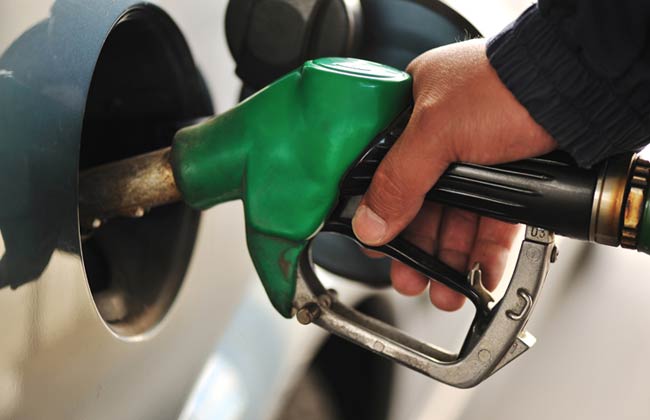
ISLAMABAD: The government increased the price of petrol by Rs14.92 a liter and high-speed diesel by Rs15 a liter, the latest in a string of weekly adjustments driven by volatile global oil markets tied to the US-Iran conflict.
The new rates, effective Saturday, take petrol to Rs414.78 a liter from Rs399.86 and high-speed diesel to Rs414.58 from Rs399.58, according to a notification issued Friday night by the Petroleum Division. The move marks the third consecutive weekly rise, following cumulative increases of Rs33.28 a liter on petrol and Rs46.16 on diesel over the prior two weeks.
The adjustments come as Brent crude futures climbed $1.41, or 1.41%, to $101.47 a barrel and West Texas Intermediate rose $1.12, or 1.18%, to $95.93 a barrel in early Friday trading in London. Prices had surged more than 3% at the open after renewed fighting between the US and Iran threatened a fragile ceasefire and dimmed prospects for reopening the Strait of Hormuz, the chokepoint that normally carries about one-fifth of global oil and gas supplies.
Pakistan has reviewed fuel prices every Friday night since the US-Israeli war on Iran erupted on Feb. 28, which triggered a global fuel crunch after the strait was closed. The government initially raised both petrol and diesel prices by Rs55 a liter on March 6 and announced sweeping austerity measures three days later.
Prime Minister Shehbaz Sharif later said he had rejected recommendations to lift prices on three separate occasions despite rising international costs. On April 2, Petroleum Minister Ali Pervaiz Malik and Finance Minister Muhammad Aurangzeb announced steep increases of 43% on petrol and 55% on diesel, alongside a targeted subsidy program for select consumers. The very next day, Shehbaz cut the petroleum levy by Rs80 a liter, lowering petrol to Rs378 a liter.
On April 10, the government further reduced diesel prices by Rs135 a liter and petrol by Rs12 a liter. Last week, officials raised petrol by Rs6.51 a liter and diesel by Rs19.39 a liter.Petrol, used primarily in private cars, rickshaws, motorcycles and small vehicles, directly affects the budgets of middle- and lower-middle-class households that rely on it for daily commuting. High-speed diesel powers trucks, buses, trains and agricultural equipment such as tractors, tube wells and threshers.
Its cost feeds into freight rates and is widely viewed as inflationary, pushing up prices for vegetables and other staples that depend on road transport.
Copyright © 2021 Independent Pakistan | All rights reserved