By Staff Reporter
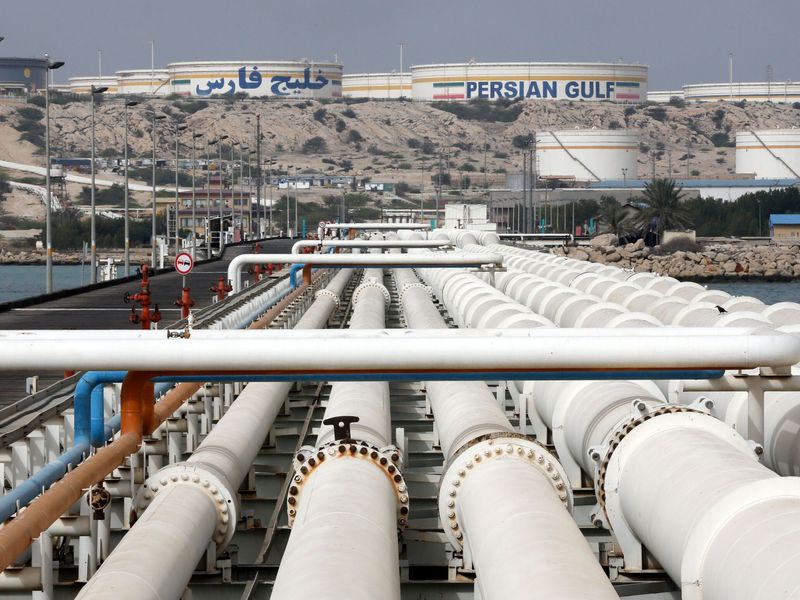
LAHORE: Pakistan is weighing the purchase of discounted Iranian crude oil and gas following the easing of US sanctions on Tehran under a landmark ceasefire agreement brokered by Islamabad, Petroleum Minister Ali Pervaiz Malik said on Sunday.
Speaking to reporters in Lahore, Malik said Islamabad was actively exploring options to source cheaper Iranian energy, a move that analysts say could yield import cost savings of between $170 million and $340 million annually, assuming Pakistan covers 10 to 20 percent of its total petroleum needs through Iranian supplies, including freight savings.
“The government remains active on further reductions in petroleum prices and will bring them down further as global markets normalise,” Malik said.
The prospect of Iranian crude entering Pakistan’s supply chain has resurfaced after Washington and Tehran signed the “Islamabad Memorandum of Understanding” in Burgenstock, Switzerland, on June 17, a deal brokered largely through Pakistan’s mediation. Under its terms, the United States committed to immediately issuing sanctions waivers through the Treasury Department covering the export of Iranian crude oil, petroleum products and derivatives, as well as all related services, including banking transactions, insurance and transportation, until sanctions are formally terminated.
The accord ended weeks of military confrontation between Washington and Tehran that had choked energy shipping through the Strait of Hormuz and sent global oil prices sharply higher. At the peak of the crisis in April, Pakistani consumers were paying as much as Rs460 per litre for petroleum products, Malik said.
Prime Minister Shehbaz Sharif announced a Rs74 cut in petrol prices and a Rs67 reduction in high-speed diesel prices on June 19, as international crude costs retreated following the easing of hostilities in the Middle East. Malik said the domestic price relief exceeded what the drop in global markets alone would have justified.
“We gave the people more benefits than what the international market offered,” he said. “Difficult times last only for a little while — thank God, that time has passed and better days are coming.”
While Pakistan’s domestic refineries are considered technically capable of processing Iranian crude, industry experts caution that commercial and operational hurdles remain. Iranian grades typically yield high volumes of furnace oil, a heavy fuel product for which domestic demand is limited, complicating the economics of large-scale Iranian crude imports without significant downstream investment.
Malik said the government had received no formal written communication from oil companies regarding current conditions, though their representatives had met with him to present concerns, which he said he had taken on board.
He also announced that suspended liquefied natural gas connections — known in Pakistan as RLNG — would be restored shortly, without providing a specific timeline.
Separately, Federal Minister for National Food Security Rana Tanveer Hussain, speaking in Islamabad, said Pakistan would formally review Iranian oil import options once the full sanctions framework was lifted. He said the end of the U.S.-Iran conflict would help place Pakistan’s economy on an improved trajectory but cautioned that the economic repercussions of the confrontation would continue to affect the region for up to two years.
Malik sought to push back against what he described as deliberate misinformation circulating about domestic fuel pricing, saying certain quarters were attempting to confuse the public on the matter. He did not identify those responsible.
Copyright © 2021 Independent Pakistan | All rights reserved