By Staff Reporter
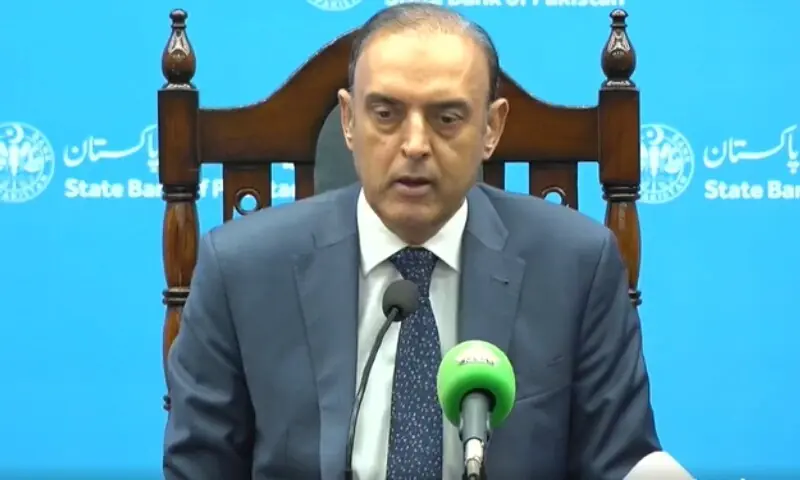
ISLAMABAD: Pakistan’s external financing requirements for the current fiscal year have fallen to $21.5 billion, State Bank of Pakistan Governor Jameel Ahmad said, as a three-year extension on $5 billion in Saudi Arabian deposits combined with $9 billion in central bank dollar purchases to ease pressure on the country’s foreign accounts.
Ahmad, speaking to reporters after a Senate Standing Committee on Finance hearing on Wednesday, said Saudi Arabia agreed to defer repayment of the deposits until December 2028, extending what had been a series of annual rollovers into a multiyear arrangement. The shift is part of a broader government strategy to push out repayment timelines on short-term debt and create room to focus on economic growth rather than immediate refinancing.
Saudi Arabia now holds $8 billion in cash deposits with Pakistan, including $3 billion extended in April. Finance Minister Muhammad Aurangzeb had said at the time that the kingdom agreed to lengthen the $5 billion deposit’s maturity but did not disclose specifics. Riyadh separately extended $3 billion for three months; that facility matured this month and was rolled over again, though Ahmad did not specify the new term.
The governor said interest costs on Pakistan’s foreign debt have dropped by roughly $500 million, adding to the reduction in gross financing needs. External financing requirements — the total sum needed to cover debt service and other obligations abroad — fell to $21.5 billion for the 2026-27 fiscal year from $26.5 billion the previous year.
Pakistan has relied heavily on foreign creditors to bridge its financing gaps as exports and foreign direct investment have lagged. The federal government approved 98 billion rupees in export subsidies for the current fiscal year in its latest attempt to boost overseas sales.
IMF Sees Higher Bar
The International Monetary Fund has projected $30 billion in external financing needs for the fiscal year starting mid-2027. Ahmad said that estimate is likely too high, and that government efforts underway could push the actual figure below this year’s $21.5 billion.
Islamabad has approached both Saudi Arabia and the United States for additional longer-term financing to further reduce near-term repayment pressure, according to the governor. Of the $21.5 billion in total requirements this year, $7.3 billion consists of cash deposits and $3.5 billion is foreign commercial loans coming due. Pakistan also carries a $250 million obligation to Kuwait tied to cash deposits that have been rolled over for an extended period.
Ahmad declined to comment on Pakistan’s reported request to Washington for a $10 billion credit line, saying that question should be directed to the federal government.
China Loan Repaid, Refinancing Expected
Pakistan repaid a $1.3 billion commercial loan to China this month, a payment that pulled foreign exchange reserves down to $17.3 billion as of July 17, Ahmad said. He said Beijing is expected to refinance the loan, with disbursement likely next month.
Of the $21.5 billion in total financing requirements, net debt repayments — after accounting for rollovers and refinancing — come to $7.5 billion. Pakistan has already repaid $2.2 billion of that in July, according to Ahmad, reducing the burden for the rest of the fiscal year.
Central Bank Builds Reserve Buffer
Responding to questions, Ahmad said the SBP purchased approximately $9 billion from the open market during the last fiscal year to strengthen reserves. Total purchases over the past three years have reached $28 billion, he said.
The central bank’s latest monetary policy statement projected that workers’ remittances will rise from a year earlier and help finance a widening trade deficit. Assuming planned official inflows materialize alongside some improvement in private flows, the SBP is targeting reserves of $20.2 billion by the end of December 2026.
Remittance Fees, Bank Charges Reviewed
Ahmad told the Senate committee that the federal government has not budgeted any subsidy for foreign remittances this year. Commercial banks will instead absorb transfer costs, meaning remitters will not face additional fees, he said.
The committee also reviewed banking service charges, including fees for SMS transaction alerts and issues around card transactions. Ahmad said SMS alerts remain optional and subject to customer consent, with banks rolling out app- and email-based alternatives. He added that Visa card transactions made within Pakistan will no longer be billed in U.S. dollars.
Copyright © 2021 Independent Pakistan | All rights reserved