By Staff Reporter
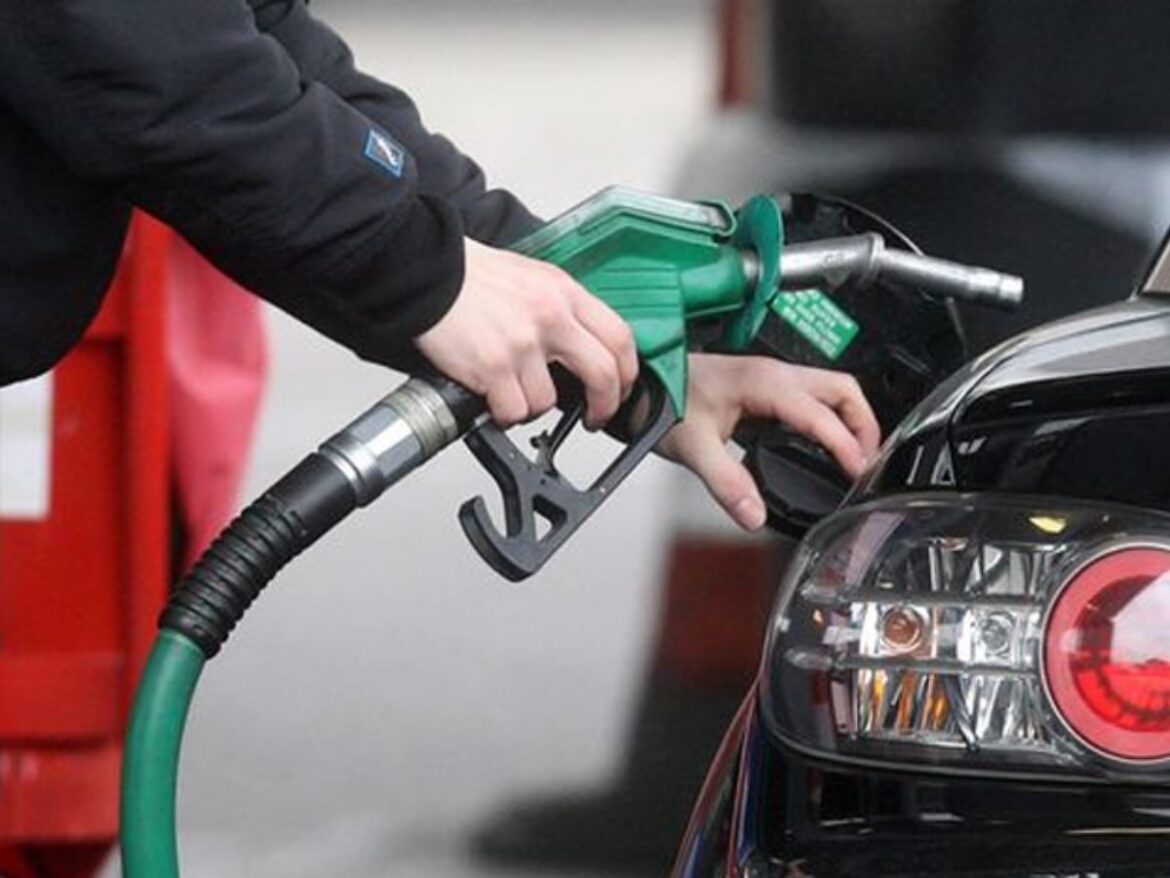
ISLAMABAD: The government trimmed the price of petrol and diesel on Friday, a modest reversal after a week in which fuel costs climbed to their highest in months and pushed the government into a fresh round of austerity and subsidies.
Petrol will fall by Rs1.65 a litre to Rs389.14, and high-speed diesel will drop by Rs0.88 to Rs424.04, according to a Petroleum Division notification. The new prices apply from Sept. 19 through Sept. 21.
The Petroleum Division attributed the revision to global developments, including changes in Platts benchmark rates, premiums and incidentals. Taxes and duties still account for about Rs114 of each litre of petrol and Rs100 of each litre of diesel.
The reduction is small against the run-up that preceded it. Petrol was Rs364.35 a litre on Sept. 9 and reached Rs391.22 on Sept. 17, after seven consecutive increases. Friday’s price is the first cut in the sequence that Pakistan Observer described as a Rs26 rise in a week.
The move tracked a pullback in crude. Brent futures fell 93 cents, or 0.9%, to $103.89 a barrel at 12:58 p.m. in New York on Friday. West Texas Intermediate dropped $1.17, or 1.2%, to $100.74.
Prices slipped after China, responding to a request from Saudi Arabia, privately asked Iran to use its influence to limit attacks by Houthi rebels on Saudi oil infrastructure, according to Reuters, which cited three Iranian sources. The attacks had opened a second chokepoint in Middle East energy transit alongside the Strait of Hormuz, where traffic has been constrained since the U.S.-Iran war began.
Traders also took some comfort from reports that Saudi Arabia is offering additional crude cargoes to Asian buyers through Oman, and that it can restore about half the capacity of its damaged East-West pipeline within days.
“Right now it’s not a supply problem; it’s a refining problem,” said Phil Flynn, senior analyst at Price Futures Group.
Pakistan imports more than 80% of its petroleum needs, so movements in Gulf benchmarks pass quickly into pump prices. The Oil and Gas Regulatory Authority calculates rates using a rolling average of daily Platts Arab Gulf prices. The government moved to daily price reviews on July 17, replacing weekly revisions that had been in place since early March, after renewed hostilities between Iran and the U.S. rattled markets. Under the current schedule, prices are notified each weekday, with a single notice covering the weekend.
Friday’s revision followed a Sept. 17 notification that had cut petrol by 43 paise and raised diesel by Rs3.47 a litre.
Both fuels remain well below their spring highs. Diesel peaked at Rs520.35 a litre on April 3, up from Rs281 before the U.S.-Iran war began on Feb. 28. Petrol reached Rs458.41 the same day, having started its climb from about Rs266 in early March. But petrol has risen roughly 24% from a July low of about Rs315.80.
Prime Minister Shehbaz Sharif’s government is trying to cushion households while cutting its own consumption.
On Friday, the Prime Minister’s Office said Sharif directed the immediate inclusion of older vehicles in the Prime Minister Fuel Relief Scheme. Motorcycles, rickshaws and Qingqi rickshaws registered on or after Jan. 1, 2006, are now eligible. The earlier cutoff was Jan. 1, 2011.
The scheme, announced Sept. 13, gives Rs100 off each litre of petrol. Two- and three-wheeler owners can claim it on up to 20 litres a month, a maximum of Rs2,000. Owners of cars up to 800cc are covered for 30 litres, or Rs3,000. Authorities estimated that about 11.8 million people would benefit at a monthly fiscal cost of Rs24.6 billion. The government said that included Rs20 billion for two-wheelers, Rs1.6 billion for three-wheelers and Rs3 billion for cars. Those figures pre-date Friday’s widening of eligibility.
On Sept. 17, the Cabinet Division reinstated austerity measures with immediate effect. Shops, markets, malls, bazaars and grocery and general stores must close by 9 p.m. Wedding halls and other event venues must close by 10 p.m., and restaurants, cafes and standalone fruit and vegetable shops by 11 p.m. Takeaway and home delivery are exempt.
Fuel allocations for official vehicles will fall by 50% for three months, with exemptions for the armed forces, law enforcement, essential services and the tax authority. The notification also barred vehicle purchases and the procurement of durable goods other than information technology equipment, though development projects are exempt. The government separately ordered a 5% cut in non-employee-related spending for the fiscal year through June 2027.
Pakistan first imposed similar curbs in March and lifted most of them in June, according to trade publication ChiniMandi.
Petrol is used mainly by private motorists, small cars, rickshaws and two-wheelers, so changes in its price land hardest on the middle and lower-middle classes. Diesel powers heavy transport, power plants and large generators, and its cost flows into freight and food prices.
Petrol and diesel are the biggest revenue earners for the sector, with combined monthly sales of about 700,000 to 800,000 tons, against about 10,000 tons of kerosene.
Oil prices remain hostage to events beyond Pakistan’s control, including decisions by OPEC+, sanctions, and disruptions to shipping through Hormuz and the Red Sea. Any interruption can raise crude and freight costs quickly, a risk for an economy that depends on imported energy.
Copyright © 2021 Independent Pakistan | All rights reserved