By Staff Reporter
ISLAMABAD: Iran will keep the Strait of Hormuz closed until Washington fulfils the commitments it made under a Pakistan-brokered peace framework, the country’s parliament speaker said on Tuesday, as a 60-day deadline for the United States and Iran to strike a lasting settlement passed without agreement.
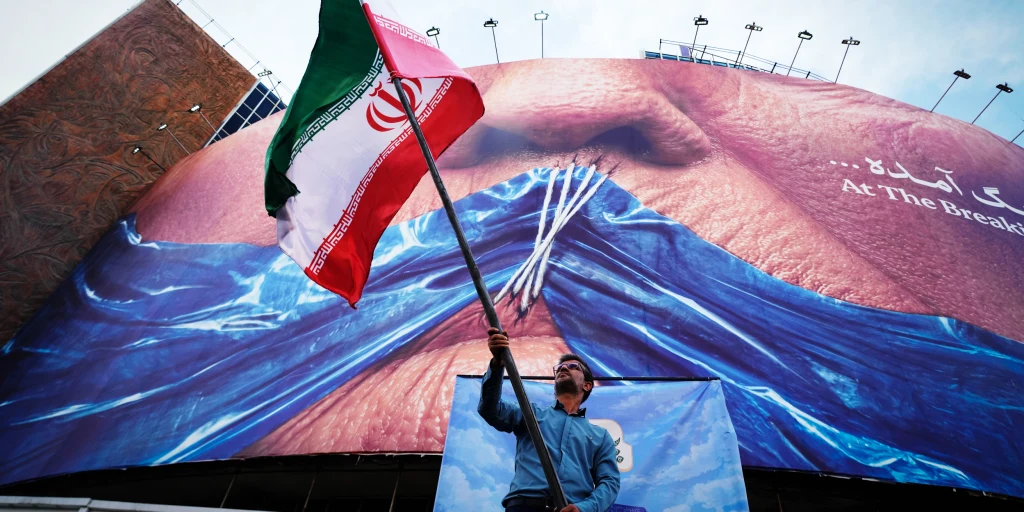
Mohammad Bagher Ghalibaf, one of Tehran’s most senior officials, said the blockade around the strategic waterway would remain in place until the US lifted its naval blockade, released frozen Iranian assets, removed oil sanctions and halted what he called military threats and operations “on all fronts”. Only then, he said, would the remaining terms of the memorandum be considered fulfilled.
“The Strait of Hormuz will not be reopened until the blockade is lifted, frozen assets are released, oil sanctions are removed, military threats and operations on all fronts are ended, and the other terms of the MoU are fully met,” Ghalibaf said, in comments carried by Iran’s state-run IRNA news agency.
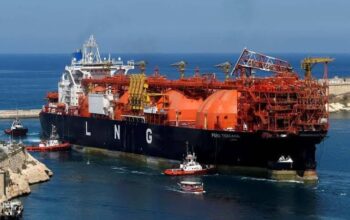
The warning came hours after a vessel was struck by an unidentified projectile as it sailed out of the strait, damaging its engine room and leaving at least one crew member injured, according to the UK Maritime Trade Operations centre, which is run by the British military. No group had claimed responsibility for the strike by Tuesday evening.
The attack has raised fresh alarm over the safety of one of the world’s most important shipping corridors. Before the outbreak of war between Iran and the US and Israel in February, roughly a fifth of the world’s seaborne oil passed through the strait each day.
Peace framework unravels
The confrontation over Hormuz has intensified since the expiry of the Islamabad memorandum of understanding, a peace framework brokered with Pakistani mediation on 17 June after weeks of fighting between Iran and the joint US-Israeli military campaign launched against it on 28 February.
Under the memorandum, both sides agreed to a series of reciprocal steps intended to wind down the conflict, including an end to the US naval blockade of Iranian shipping, the easing of sanctions and the reopening of the strait, alongside a 60-day period in which Tehran and Washington were to negotiate a comprehensive final settlement, principally covering Iran’s nuclear programme.
That window closed on Monday with no deal in place, and the arrangement has since largely broken down, with each side accusing the other of failing to honour its terms.
President Donald Trump has ruled out extending the negotiating period. Iranian officials, meanwhile, insist Washington has not delivered on the obligations Tehran says were central to the agreement, including sanctions relief and the lifting of the blockade.
A senior Iranian official told Reuters on Monday that Tehran now intends to shift to a “fully offensive” military posture, warning that Iranian forces were prepared to escalate tensions in and around the strait and would be ready to take “difficult decisions” if diplomacy continued to fail. The official said Iran would be prepared to launch a “timely and precise” military strike aimed at breaking the US naval blockade should talks collapse entirely.
Trump’s territorial claims
The rhetoric from Washington has added a further combustible element to the standoff. Trump has in recent days claimed the US Navy is enforcing a total blockade of the strait and has suggested he intends to formally declare the waterway American territory.
Speaking at an event on 14 August, the president said: “After we finish defeating Iran, which is being very badly defeated, pretty soon I’ll be declaring the Hormuz Strait a territory of the United States.” He has separately claimed the US already has “total control” of the strait and expressed confidence Washington could sustain that position.
Trump later shared an image on his social media platform depicting a map of the Strait of Hormuz labelled “New US territory,” reiterating the claim days after first floating it publicly. Trump also called on Iran on Monday to surrender, telling the country to “raise the white flag” — a demand swiftly rejected by Tehran.
Iran claims victory in both war and diplomacy
Foreign minister Abbas Araghchi used a public appearance on Tuesday to declare that Iran had “won both the war and diplomacy,” arguing that the US and its allies had shifted from demanding Tehran’s unconditional surrender to pursuing negotiations within weeks of the conflict beginning.
Araghchi said Iran had withstood assaults from what he described as the world’s largest military power, working alongside Israel and backed by most Western states, according to the Tasnim news agency. “Those who were seeking unconditional surrender, shortly after the war began, begged for negotiations,” he said, adding that Tehran had refused an early ceasefire and continued fighting until the other side agreed to negotiate “on Iran’s terms”.
“We fought with strength, and we negotiated with strength,” he said, claiming that numerous foreign counterparts had told him Iran had prevailed in both respects.
The foreign minister also placed particular blame on Israel for the collapse of diplomatic momentum, describing it as the principal obstacle to implementing the memorandum. “The Zionist regime was and remains the biggest opponent and obstacle to the implementation of the memorandum of understanding,” he said, according to IRNA. “They made every effort to prevent such an agreement from being reached, every effort to make this agreement fail, and every effort to prevent it from being implemented.”
Pakistan continues mediation efforts*
Islamabad, which played a central role in brokering the original memorandum, has continued attempts to keep the two sides talking. Pakistani officials said last week they were using both direct and indirect diplomatic channels in an effort to preserve the possibility of further negotiation and head off a renewed escalation.
Separately, Iran and Oman are working on their own arrangement to manage shipping through Hormuz outside the framework of the wider US negotiations. Tehran said this week the two countries were close to finalising a joint statement on the matter, though no further details have been made public.
Amid the wider turmoil, Ghalibaf is due to travel to Iraq on Wednesday for talks with senior Iraqi officials on regional developments and bilateral cooperation, according to Iranian state media. State broadcaster IRIB said the visit would focus on strengthening strategic ties between Tehran and Baghdad, along with discussions on border security, counterterrorism and economic cooperation.
The trip comes days after a drone attack targeted the residence and private office of Masrour Barzani, head of the Kurdistan Regional Government in northern Iraq. Baghdad has sought an official explanation from Tehran over the incident; Iran has denied any involvement and condemned the attack.
Beijing, meanwhile, has voiced its own opposition to what it called unlawful measures taken by the US and Israel against Iran. China’s ambassador to Tehran, Cong Peiwu, said President Xi Jinping had put forward four separate initiatives to the United Nations aimed at preserving stability in the Middle East, according to IRNA. Speaking at an event marking 55 years of diplomatic relations between China and Iran, Cong described the anniversary as the start of a deeper phase of engagement between the two countries.
Copyright © 2021 Independent Pakistan | All rights reserved