By Staff Reporter
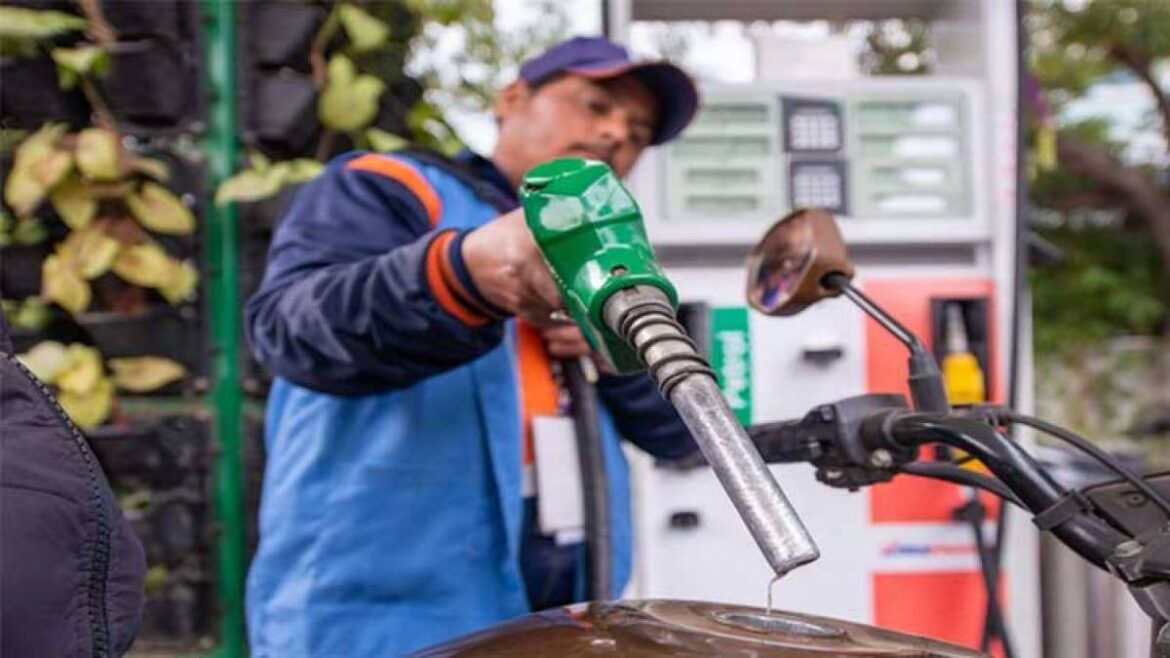
ISLAMABAD: The government raised diesel prices for a ninth consecutive day while petrol costs edged lower, a rare break in an otherwise relentless run of increases that has pushed fuel costs up more than 20% so far this month as the government tracks a volatile global oil market shaped by conflict in the Middle East.
The Petroleum Division, part of the Ministry of Energy, said in a statement that the ex-depot price of high-speed diesel will rise 3.47 rupees to 424.92 rupees per liter, effective September 18. Motor spirit, as petrol is officially known in Pakistan, will fall 0.43 rupee to 390.79 rupees per liter over the same period — the first decline in either fuel since the streak of increases began on September 9.
The ministry attributed the moves to shifts in Platts benchmark rates, along with premiums and other cost components used in the country’s fuel-pricing formula. Diesel and petrol prices are now reviewed daily, a shift from the weekly system introduced earlier this year and the fortnightly reviews that preceded it.
Global crude benchmarks have been retreating after a sharp run-up tied to the conflict. Brent crude was trading near $105 a barrel on Thursday, extending a decline from a one-session drop of roughly 3% a day earlier, as easing fears of a supply disruption pulled prices off recent highs. West Texas Intermediate traded near $102 a barrel. The pullback followed signals that Saudi Arabia could restore about half the capacity of a damaged pipeline within days and resume full operations within roughly six weeks, along with reports that the kingdom is routing additional crude to Asian refiners via ship-to-ship transfers off Oman after disruptions at its Yanbu export terminal. Even so, traders have kept a wary eye on the Strait of Hormuz, still contested amid the wider conflict, and on attacks on Russian refineries tied to the war in Ukraine that have disrupted refined-product markets.
That volatility has been evident in Pakistan’s domestic pricing all month. Petrol rose for eight straight sessions through September 16, including a 12.90-rupee jump on September 8 and a 6.88-rupee increase on September 16, before Thursday’s cut snapped the streak. Diesel has climbed in each of the past nine reviews. Over the first 16 days of September, petrol prices rose about 12.5% and diesel about 14%, according to government data, adding a combined 48.43 rupees to petrol and 56.46 rupees to diesel over the month.
The Oil and Gas Regulatory Authority, the industry watchdog, began publishing daily fuel prices on its website this year as part of an effort to pass through changes in international oil costs more quickly and improve pricing transparency. The daily rates are calculated using a seven-day rolling average of international benchmarks, a method the regulator has said is consistent with practices in other markets.
Pakistan moved to daily price reviews after renewed fighting in the Middle East roiled energy markets. The country had initially adopted a weekly review mechanism after Israel and the U.S. struck Iran on February 28, prompting Tehran to close the Strait of Hormuz, a waterway that before the war carried roughly a fifth of the world’s energy shipments. A truce reached in June between Iran and the U.S. later broke down, reigniting concern over a broader conflict and further disruption to flows through the strait.
Petroleum Minister Ali Pervaiz Malik said in July that the cabinet and Prime Minister Shehbaz Sharif had agreed to hand Ogra responsibility for setting fuel prices daily based on international market trends, citing the pace of change in global crude prices since the outbreak of hostilities.
Even with the recent run-up, domestic prices remain well below their highs from earlier this year. Diesel peaked at 520.35 rupees per liter on April 3 after climbing from 281 rupees when the conflict began in late February. Petrol followed a similar trajectory, reaching a record 458.41 rupees on April 3 after starting near 266 rupees in early March.
Sharif’s government has sought to soften the impact of higher fuel costs on lower-income households. The prime minister announced a relief program on September 13 for owners of motorcycles, rickshaws and vehicles up to 800 cubic centimeters in engine size. Under the plan, owners of two- and three-wheelers will receive a discount of 100 rupees per liter on a monthly allotment of 20 liters, while owners of small cars will get the same discount on 30 liters, according to a statement from the Prime Minister’s Office. The government had earlier introduced targeted subsidies for fuel in April.
Petrol and diesel account for the bulk of Pakistan’s fuel consumption and government revenue from the sector, with combined monthly sales of roughly 700,000 to 800,000 tons, dwarfing the roughly 10,000 tons of kerosene sold each month. Petrol is used primarily in private and small vehicles, making its price sensitive for middle- and lower-income consumers, while diesel powers heavy transport, power plants and large generators, giving it broader economic reach.
Copyright © 2021 Independent Pakistan | All rights reserved