By Staff Reporter
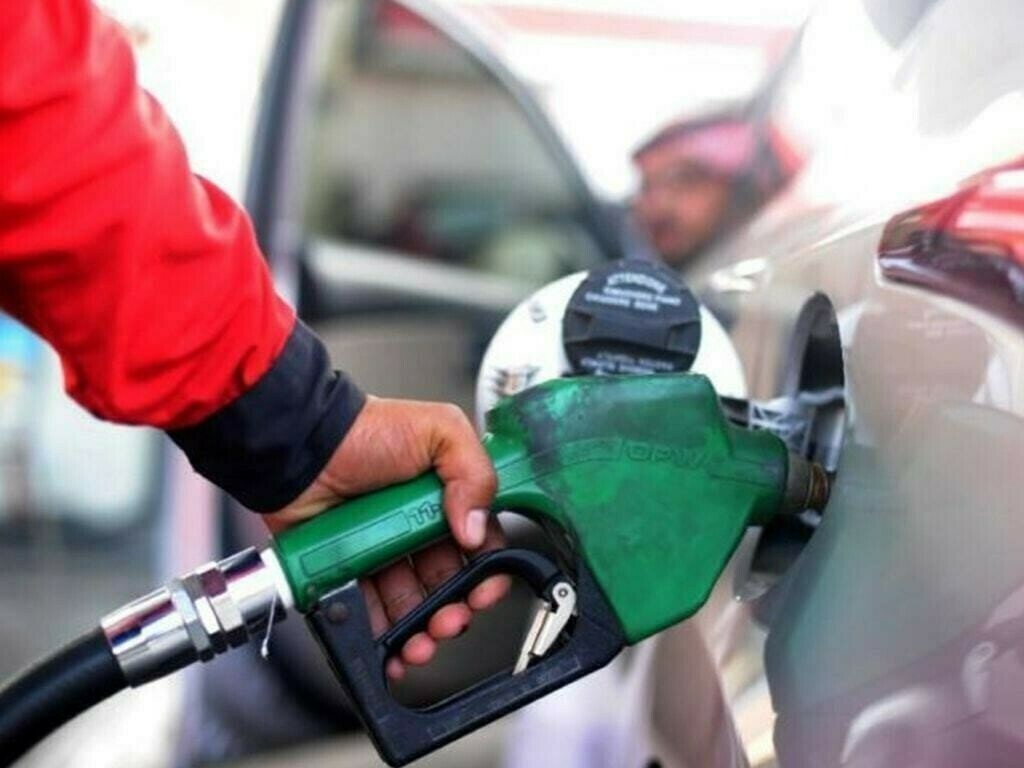
ISLAMABAD: Pakistan raised petrol prices by 1.20 rupees a liter and cut diesel by 17 paise for Thursday, the latest swing under a daily pricing system the government adopted in July after hostilities between the US and Iran resumed.
Petrol will retail at 393.86 rupees a liter and high-speed diesel at 396.65 rupees, according to a Petroleum Division notification. A day earlier, petrol sold at 392.66 rupees and diesel at 396.82 rupees. The government continues to levy 114 rupees a liter in taxes and duties on petrol and 100 rupees on diesel, roughly 29% and 25% of the respective pump prices.
The adjustment follows a cut of 2.71 rupees on petrol and 3 paise on diesel for Wednesday. Petrol reached 398.96 rupees on Oct. 9, within about a rupee of the 400 mark.
Pakistan imports most of its petroleum, so domestic prices track a global market still dominated by Middle East risk. Brent crude settled up about 0.4% at roughly $106 a barrel on Wednesday, while West Texas Intermediate gained about 1% to around $95, a three-week high. The Houthis struck an administrative building at Saudi Aramco’s headquarters in Dhahran, causing a limited fire, and Yemeni forces warned that attacks on Saudi airports and oil facilities will continue.
Iranian officials also said Iran is using new tactics against ships and declined to give details, with one saying the approach changed about 10 days ago. President Donald Trump has accused the Houthis of trying to push oil higher before the US midterm elections on Nov. 3. UBS analyst Giovanni Staunovo said attacks on vessels crossing the Strait of Hormuz and strikes between Saudi Arabia and the Houthis are supporting prices because traders fear lower exports from the region, though shipments have held up so far.
Crude eased in early Asian trading on Thursday. Brent fell 1.3% to $104.67 a barrel and WTI slipped 1.1% to $94.07 as investors weighed risks to Hormuz shipping against US efforts to lower transportation costs. OPEC data showed Saudi Arabia lifted crude output to about 8.4 million barrels a day in September from about 6.2 million in August. The International Energy Agency has warned that diesel shortages could persist into 2027.
Diesel has fallen from a peak of 520.35 rupees a liter on April 3. It began climbing from 281 rupees after the US-Iran war broke out on Feb. 28. Petrol peaked at 458.41 rupees on the same day, having started rising from 266 rupees in the first week of March. At 393.86 rupees, petrol remains about 48% above that starting point.
Prime Minister Shehbaz Sharif’s government moved to daily pricing on July 17, citing swings in international prices after renewed fighting between Iran and the US. It replaced weekly revisions that had been in place since early March, when the government also began fuel conservation measures over fears of supply disruption. The government had given the Oil and Gas Regulatory Authority the task of setting prices each day based on international market trends. In April, the federal government announced targeted relief to provide subsidised fuel.
On Sept. 13, Sharif announced a relief scheme offering 100 rupees a liter off petrol for motorcycles, three-wheeler rickshaws and cars with engines up to 800cc. The plan is meant to cover an estimated 11.8 million beneficiaries. About 10 million two-wheeler users and 800,000 three-wheeler users would receive relief on 20 liters a month, for a maximum monthly benefit of 2,000 rupees each. Another 1 million owners of cars up to 800cc would receive relief on 30 liters, worth up to 3,000 rupees each.
Four days later, the government reintroduced austerity and fuel conservation measures, effective immediately under a Cabinet Division notification. Shops, markets, shopping malls, bazaars, departmental stores, grocery stores, general stores and kiryana shops must close by 9 p.m. throughout the week. Marriage halls, marquees and other commercial venues hosting festive events must shut by 10 p.m. Restaurants, cafes, eateries, food outlets and standalone fruit and vegetable shops can stay open until 11 p.m. Takeaway and home delivery services are exempt. Fuel allocations for official vehicles have been cut by 50% for three months.
Petrol is used mainly in private transport, small vehicles, rickshaws and two-wheelers, so price changes fall hardest on the middle and lower-middle classes. Diesel powers heavy transport, power plants and large generators, which spreads its effect across the economy. Petrol and diesel are the main revenue earners among petroleum products, with monthly sales of about 700,000 to 800,000 tonnes, against roughly 10,000 tonnes of monthly demand for kerosene.
OPEC+ decisions, conflict in the Middle East, sanctions on oil producers and disruptions to shipping lanes including the Strait of Hormuz and the Red Sea can lift crude prices and freight costs quickly. Because Pakistan imports the bulk of its petroleum needs, those moves reach domestic pump prices fast.
Copyright © 2021 Independent Pakistan | All rights reserved