By Staff Reporter
ISLAMABAD: Pakistan’s inflation slowed for a second straight month in October to 9.6%, the first single-digit reading since July, though prices still rose 1.1% from September on costlier wheat, poultry and fuel.
The annual rate compares with 10.3% in September and 11.1% in August, the Pakistan Bureau of Statistics said on Monday. A year earlier it was 6.2%. The figure was a touch above the 9.5% estimate in a market survey and above the 9%-9.5% that several local brokerages had projected, but inside the 9.5%-10.5% range the Finance Ministry gave in its monthly outlook published days earlier.
Much of the slowdown reflects the comparison with last year. Consumer prices rose 1.1% in October, against a 1.7% jump in October 2025, which fell out of the annual calculation. On a monthly basis the pace was down from 1.3% in September.
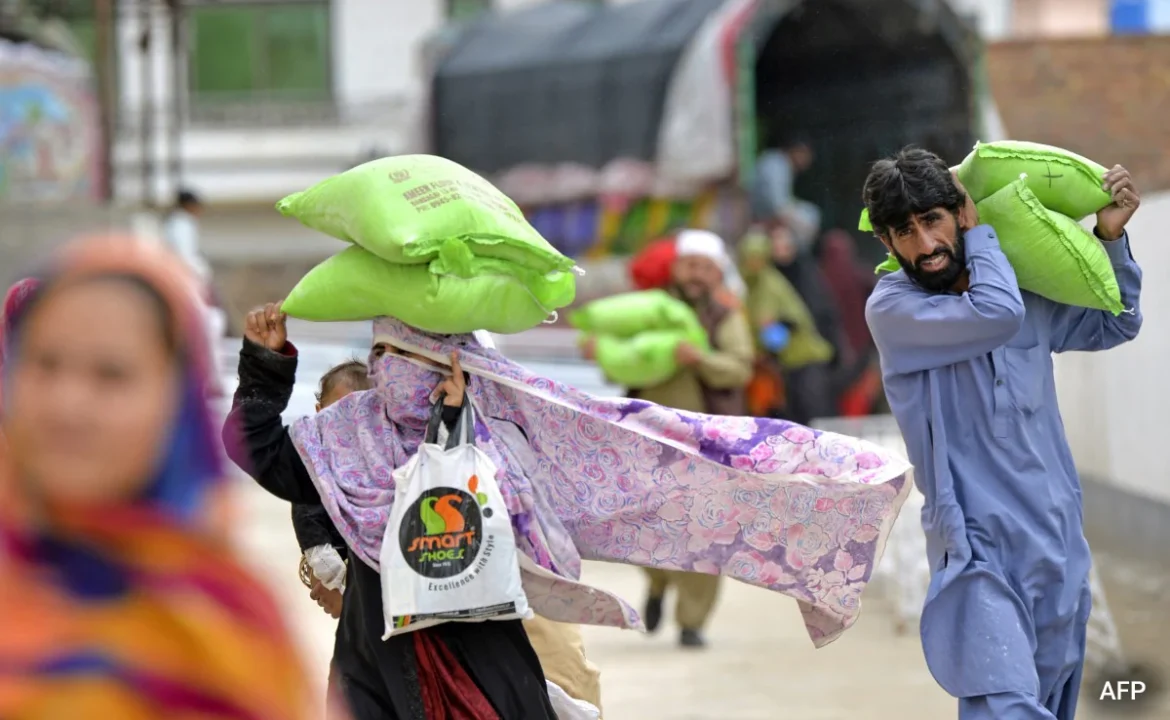
Food was the main driver of the monthly increase. Food and non-alcoholic beverages gained 2.26% from September, accounting for 0.81 percentage point of the 1.08% overall rise. Wheat flour climbed 7.54% in urban areas and 9.41% in rural ones, and wheat itself rose about 9% in both. Chicken jumped 19.38% in cities and 16.91% in the countryside. Tomatoes fell 31.63% in urban markets, with onions, potatoes and sugar also cheaper, which held back the headline figure.
Energy-related items moved in different directions. Motor fuel rose 3% in urban areas and 3.17% in rural ones, and liquefied hydrocarbons, which include cooking gas, gained 8.39% in cities. Electricity charges fell 3.31% on the month.
Over 12 months, transport was the biggest outlier, with prices up 28.61% and adding 1.93 percentage points to the headline rate. Motor fuel was up 41.29% in urban areas and 43.51% in rural ones. The housing, water, electricity, gas and fuels group rose 11.03%, contributing 2.32 points, with electricity charges 22.85% higher. Wheat flour was up more than 34% in both urban and rural markets, and onions rose more than 80%. Tomatoes, down about 55%, and sugar, potatoes and eggs offset some of that.
Urban inflation eased to 9.5% from 10.1%, while rural inflation slowed to 9.8% from 10.5%. Prices rose 0.8% on the month in cities and 1.5% in the countryside. Urban food inflation slowed to 7.8% from 8.1%, and the rural rate to 7.1% from 7.7%. Non-food inflation was 10.6% in urban areas, down from 11.5%, and 12.3% in rural areas, down from 13.1%.
Core inflation, which strips out food and energy, also cooled. The non-food, non-energy measure slowed to 7.8% in urban areas from 8.6% and to 7.1% in rural areas from 8.1%. A trimmed-mean gauge eased to 8.5% in cities and 8.9% in rural areas.
Average inflation for July to October, the first four months of the fiscal year, was 10.05%, more than double the 4.79% of a year earlier. The wholesale price index rose 13.8% from a year earlier, accelerating from 13.3% in September, and was up 0.9% on the month. The Sensitive Price Indicator, which tracks prices of essentials, rose 8.7% for the lowest-income quintile, while the combined index gained 11.67%.
The data arrive a week after the State Bank of Pakistan raised its policy rate by 50 basis points to 12%, with nine of 10 committee members in favor. Governor Jameel Ahmad said the inflation outlook had deteriorated because of the US-Iran conflict and wider Middle East developments, with oil staying above $100 a barrel. The bank has also flagged possible energy tariff adjustments, further increases in wheat prices and adverse weather as risks. At the October reading, the new policy rate leaves a real rate of roughly 2.4 percentage points. Inflation has now run above the top of the central bank’s 5%-7% target range every month since March.
Electricity could add to the pressure. The Power Division has projected a fuel price adjustment of 2.56 rupees per unit for September consumption, which would add about 32.7 billion rupees to November bills. The Finance Ministry has said easing headline inflation offers some relief and that better crop supplies could help ease food prices, while noting the outlook remains sensitive to international energy prices, food supplies and base effects.
The central bank said last week that a staff-level agreement had been reached with the International Monetary Fund and reserves held steady at about $21.5 billion. Ahmad said bringing inflation back to the level policymakers had anticipated in the summer would now take longer.
Copyright © 2021 Independent Pakistan | All rights reserved